Israel Election 2026: Eisenkot Bloc Leads Netanyahu, No 61-Seat Majority
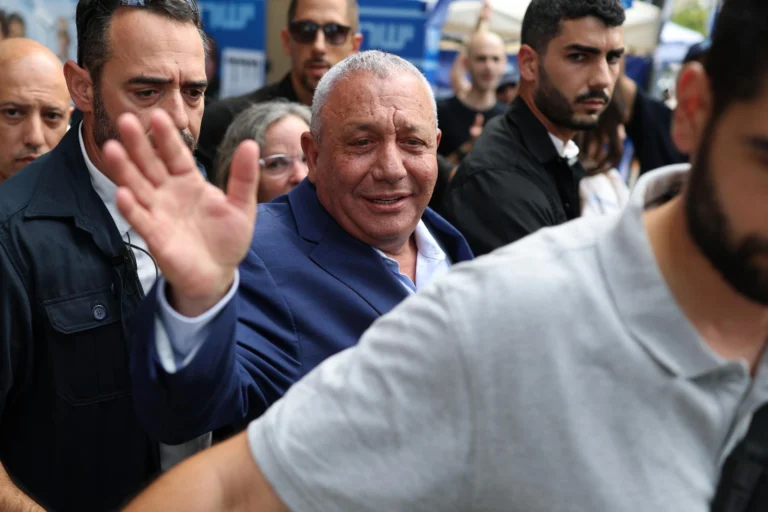
Leader of the Yashar party and former Israeli military chief, Gadi Eisenkot. Photo: EFE.
October 27, 2026 Hour: 5:07 pm
🔗 Comparte este artículo
The opposition bloc led by former army chief Gadi Eisenkot edged ahead of Prime Minister Benjamin Netanyahu’s coalition in Israel’s general election, but neither camp came close to the 61 seats needed to govern, exit polls showed Tuesday night.
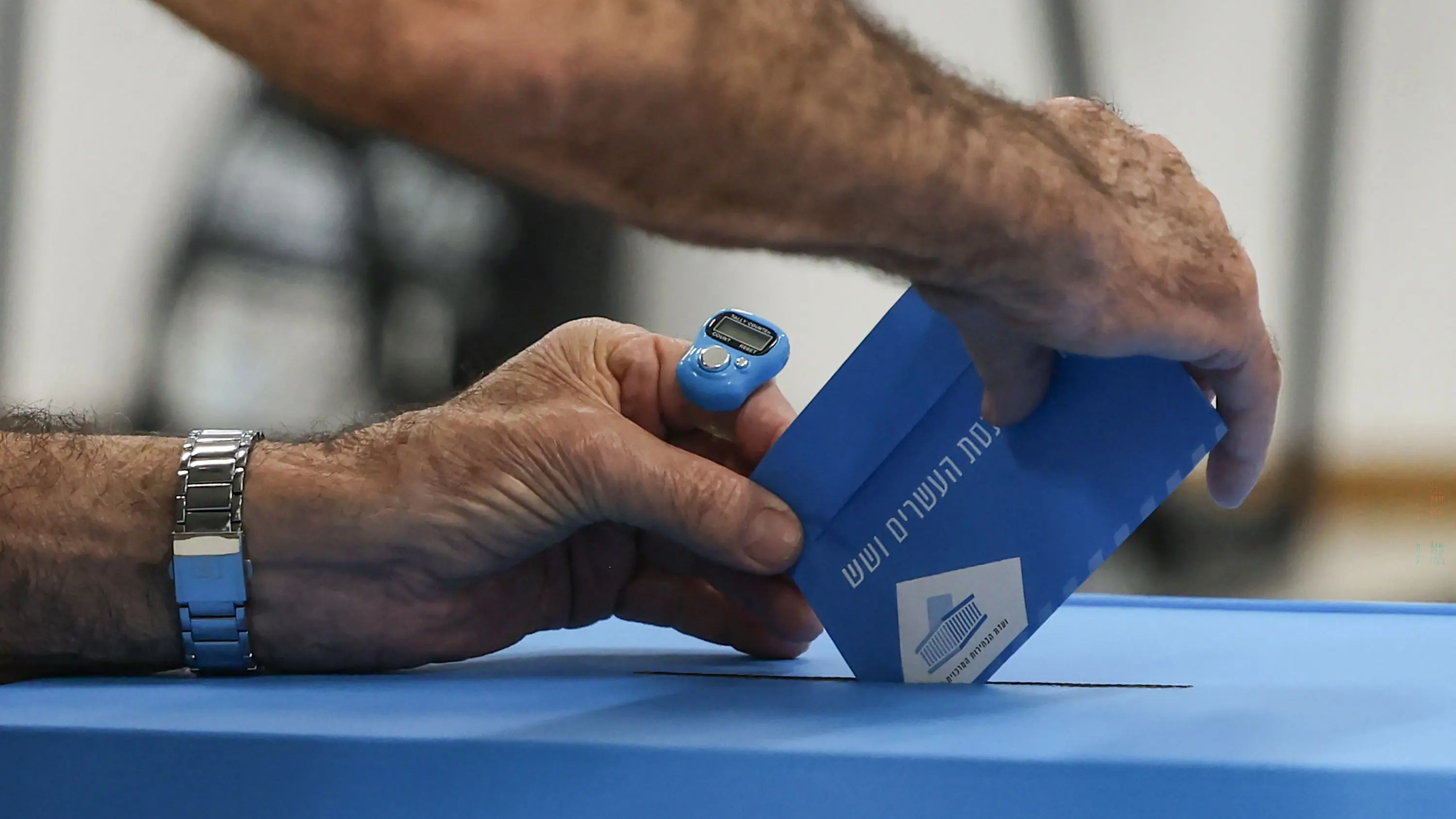
The opposition bloc led by Gadi Eisenkot prevailed by a narrow margin over PM Netanyahu’s coalition in Israel’s first election since the October 2023 attacks, according to polls circulated after the ballot box was closed.
The result opens a period of uncertain negotiations over who will form the next government, with neither side having reached the required majority in parliament (Knesset).
RELATED: Trump Backs Netanyahu’s Reelection for Tuesday Elections
Parties opposed to Prime Minister Benjamin Netanyahu won more seats than his coalition in Tuesday’s parliamentary election, though Likud Party remained the most-voted party, and neither bloc reached the 61 seats needed to govern in the 120-seat Knesset.
The three main exit polls, published after voting closed at 10 P.M. local time, placed Eisenkot’s bloc at 52 to 53 of the Knesset’s 120 seats, against 50 for Netanyahu’s right-wing alliance.
The vote was the first since the attacks of October 2023. Voters formed long lines through the day, casting ballots under the weight of the deadliest date in the country’s history and the wars that followed. Turnout approached record figures, nearly 74 percent by 8 p.m., according to the central election commission.
Neither candidate can yet claim a clear path to 61. Netanyahu can argue that he heads the largest single party, while Eisenkot can point to the larger bloc.
The two Israeli Arab parties that emerged as potential arbiters of the contest won between 17 and 18 seats according to the polls in the ballot box, a figure higher than expected. Both said that they would support Eisenkot to some extent, having mobilized their voters to help displace Netanyahu, whom they consider an “existential threat” in the event of a new term.
Both Netanyahu and Eisenkot have so far ruled out any formal alliance with Arab parties. However, these could allow Eisenkot to form a minority government by backing him from outside the coalition, or even abstaining in the Knesset vote to install the next government.
Coalition Talks Ahead
If, after all the negotiations, no one manages to form a majority, a new election would be called on March and the process would repeat. During that period, Netanyahu’s government would remain in a caretaker role. Public services would not be affected, but the government would lack the authority to push through major policy changes.
Israel’s most recent national election, held in November 2022, was the fifth in three and a half years, and even a new round might not resolve the country’s political deadlock. That election, returned Likud party to power with a 64-seat coalition.
The most likely scenario now is a prolonged negotiation or even new elections in the coming months. Until a government forms, Netanyahu’s administration would remain in office as a caretaker, unable to advance major policy changes.
The narrow margin leaves the next coalition in doubt. With neither side reaching 61 seats, both leaders will likely push to assemble a governing majority, a process that has repeatedly convulsed Israeli politics in recent years.
The Central Election Committee began counting ballots after polling stations closed and will release partial results overnight. Official tallies often diverge from exit poll projections, leaving the final composition of the Knesset uncertain for days.
Author: Laura V. Mor
Source: Al Jazeera / Agencies