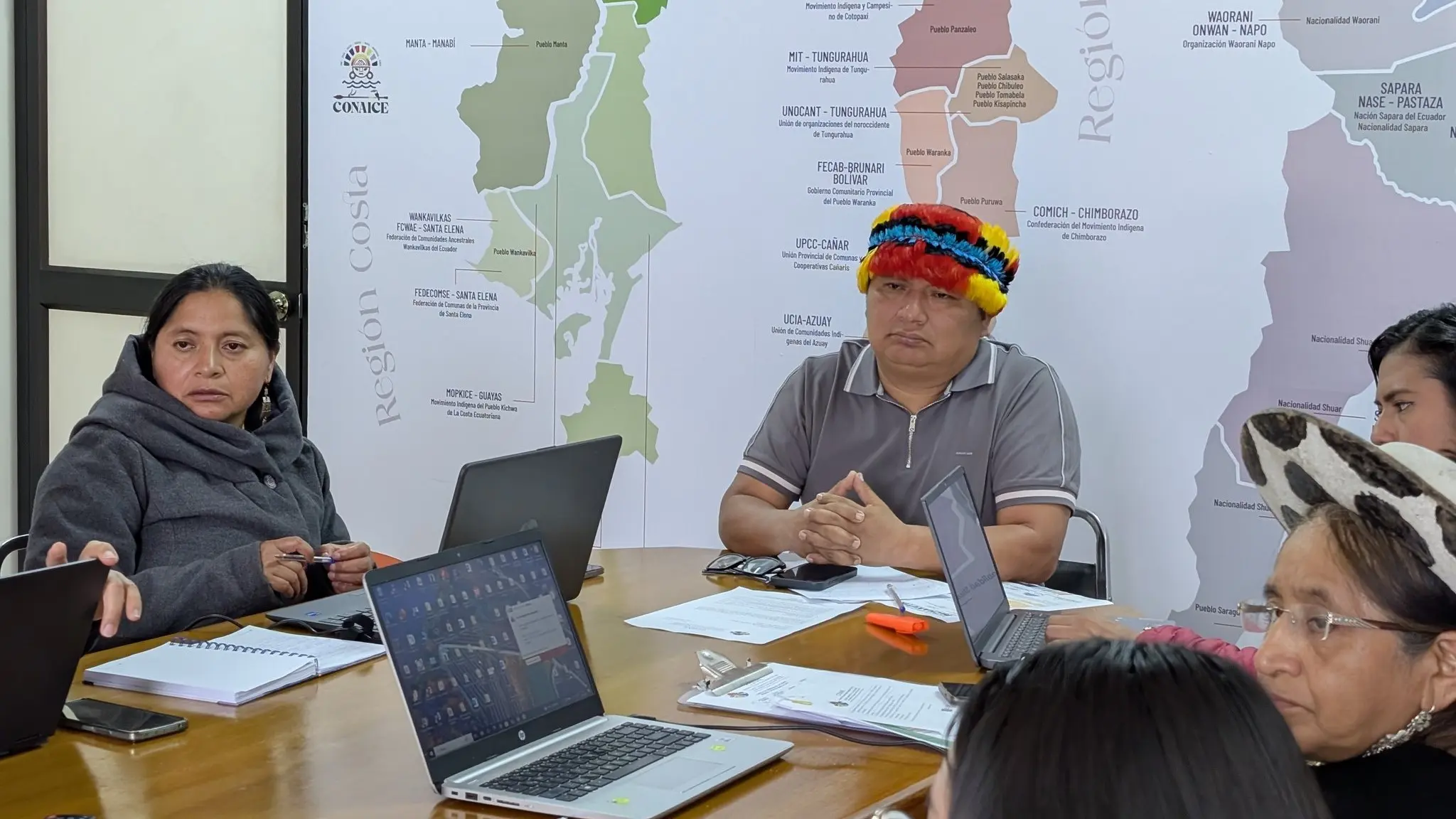



Ecuador’s Indigenous Movement to Define Next Steps in National Strike
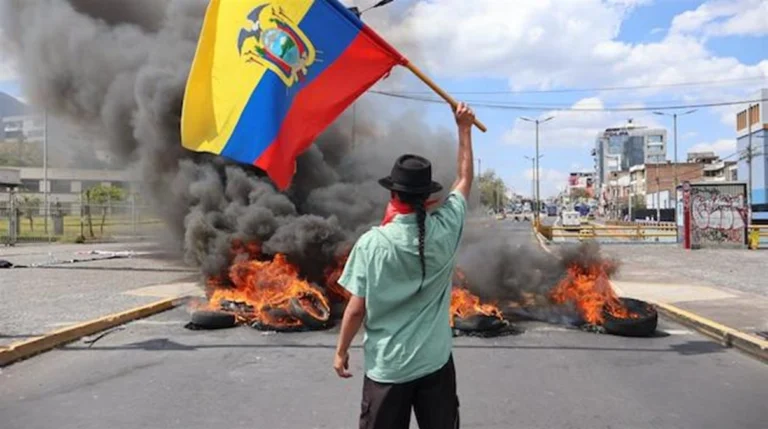
X/ @DiarioCoLatino
October 2, 2025 Hour: 11:57 am
Universities urge the Noboa administration to avoid more deaths and human rights violations.
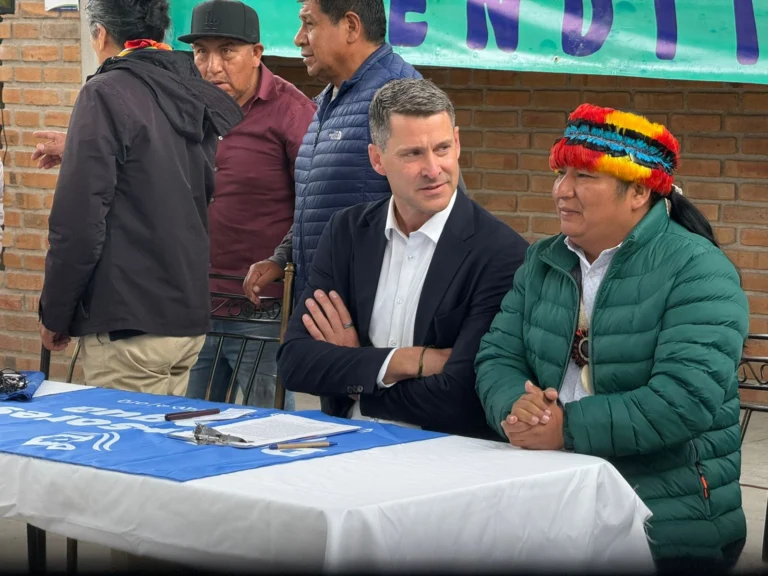
On Thursday, the Confederation of Indigenous Nationalities of Ecuador (CONAIE) will meet to decide new actions to continue the national strike against President Daniel Noboa’s policies.
RELATED:
Indigenous Protester Killed in Ecuador: UN Human Rights Office Demands Urgent Dialogue
The Indigenous movement said leaders of the Indigenous peoples and nationalities will analyze the next steps because “the strike continues, the struggle goes on.”
“Ten days of the national strike have passed, and the resistance of the peoples does not stop. The government of Daniel Noboa responds with repression, but our demands remain firm and just,” CONAIE said Wednesday.
The announcement came hours after the Federation of Kichwa Peoples of the Northern Highlands issued a statement declaring a “temporary truce” as a “gesture of good faith and willingness to dialogue with the government.”
However, representatives of the Kichwa Karanki and Kichwa Otavalo peoples called the decision by Federation President Mesias Flores “arbitrary,” accusing him of going to dialogue tables “without due consultation and authorization from the grassroots that delegated him.”
CONAIE is demanding the repeal of the decree that eliminated the diesel subsidy, the release of detainees, a reduction of the value-added tax from 15% to 12%, and an end to mining and oil expansion.
The National Strike Has Already Lasted More Than Two Weeks
Ecuador has reached 10 days of a national strike marked by the government’s refusal to engage in dialogue and increasing state repression.
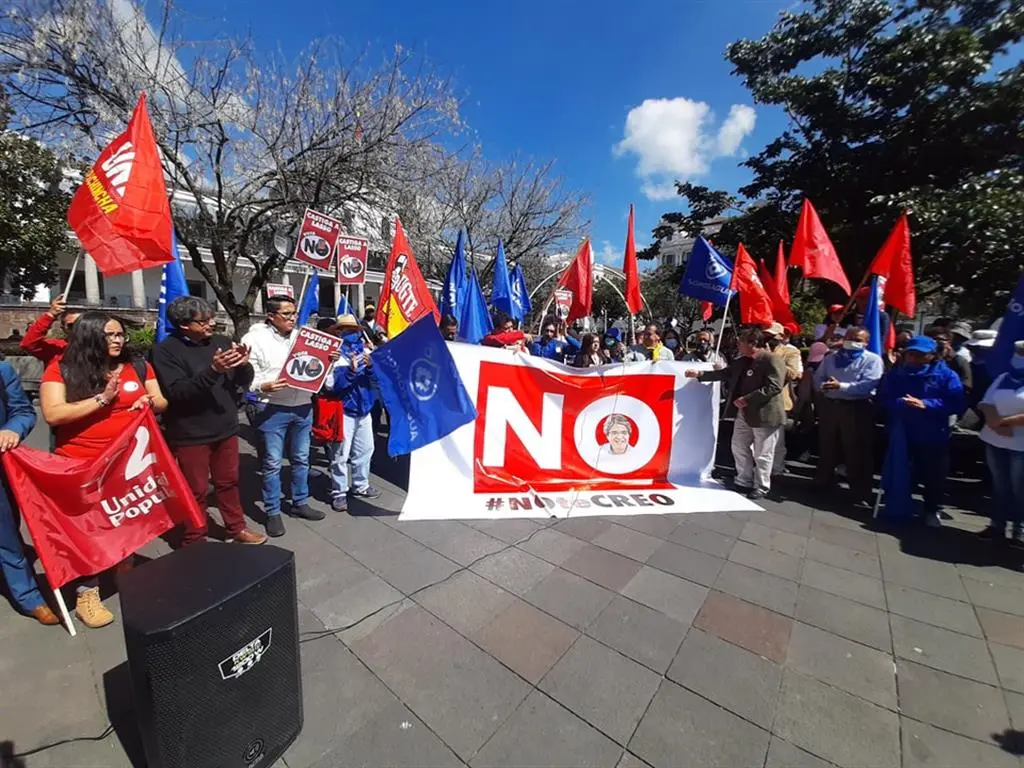
Demonstrations continue in several provinces, especially in the northern highlands, where communities in Imbabura and Pichincha are maintaining roadblocks and marches.
In Quito, students and artists protested with cultural performances outside the Central University, but police forces dispersed them with tear gas.
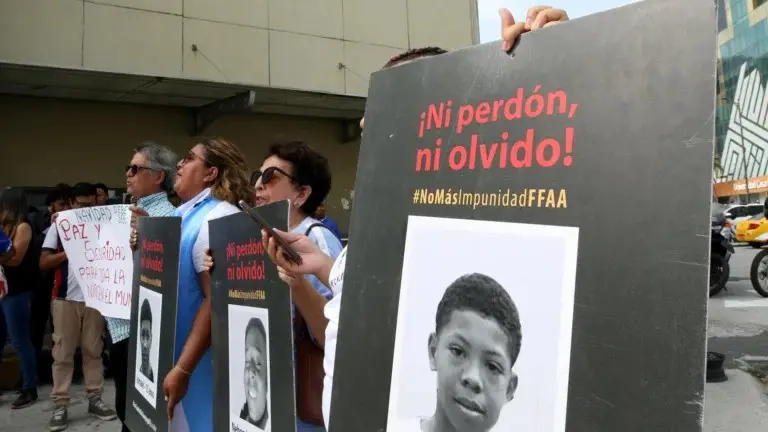
According to the Alliance of Human Rights Organizations, since the start of the national strike, there have been 92 people injured, 100 detained and 10 reported missing, including two elderly women.
While Noboa continues to label demonstrators as “terrorists,” social organizations argue that the true terrorism comes from policies imposed by the International Monetary Fund and from state violence.
Universities Urge Noboa to Avoid Human Rights Violations
On Wednesday, rectors of Ecuador’s leading universities reacted to the wave of violence unleashed by security forces trying to contain protests against President Daniel Noboa.
The demonstrations have stretched beyond two weeks, while the government refuses to hold talks or repeal the decree that raised diesel prices. In response, universities issued the following statement:
“Considering that:
1. Ecuador is currently experiencing a wave of violence that threatens people’s lives, physical integrity, economic needs, as well as the enforcement of human rights and minimum guarantees of freedoms enshrined in the rule of law;
2. It is necessary to strengthen our democracy;
3. Institutions of higher education cannot be indifferent or isolate themselves from the reality in which they exist;
We resolve:
1. To join the call of the South America Regional Office of the United Nations High Commissioner for Human Rights, which urged an ‘urgent dialogue to prevent escalation of conflict and find solutions’ in Ecuador;
2. To ask government authorities and social leaders to show political will to create conditions that generate mutual trust and make possible an open process of dialogue;
3. To reject acts of violence that go against the human rights of all inhabitants of the country;
4. To reject the criminalization of protest;
5. To put at the disposal of Ecuadorian society all the capacities of our institutions to promote potential spaces for dialogue and provide information that supports interaction between the parties in conflict.
No more violence, deaths or human rights violations are needed for government authorities and social leaders to acknowledge that dialogue is the only way out of confrontation.”
The statement was signed by rectors of the following institutions: Amawtay Wasi, Pontifical Catholic University of Ecuador, University of the Arts, Eloy Alfaro Lay University, Polytechnic School, Latin American Faculty of Social Sciences, Andean University Simon Bolivar, University of Cuenca, University of Azuay, National University of Education, National University of Loja, Salesian Polytechnic University, San Gregorio University of Portoviejo, and Vargas Technical University.
teleSUR/ JF
Sources: EFE – Diario CoLatino – Radio Sucre