


Ecuador’s Indigenous Movement Maintains Month-Long Strike Amid State Repression
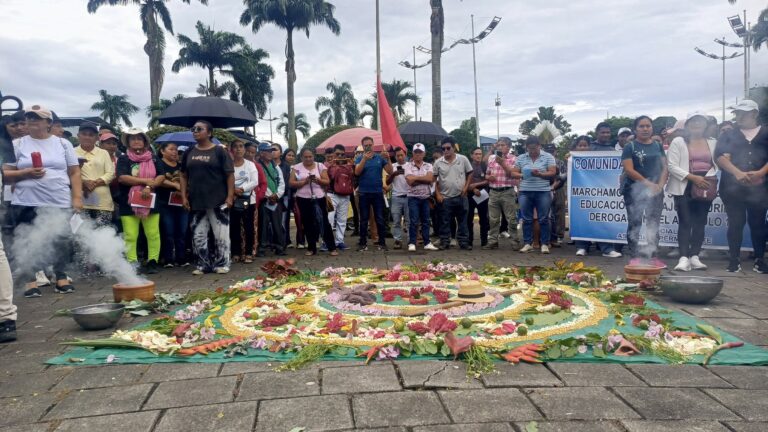
Several Indigenous organizations and communities in Sucumbíos are holding a peaceful March for Dignity and Life through the streets of Nueva Loja during the national strike. Photo: CONAIE.
October 20, 2025 Hour: 3:31 am
🔗 Comparte este artículo
As Ecuador entered the 28th day of its national strike, the Confederation of Indigenous Nationalities of the Ecuadorian Amazon (Confeniae) reaffirmed its commitment to ongoing protests against the government’s removal of the diesel subsidy and state neglect, which has contributed to the country’s worsening public health crisis.
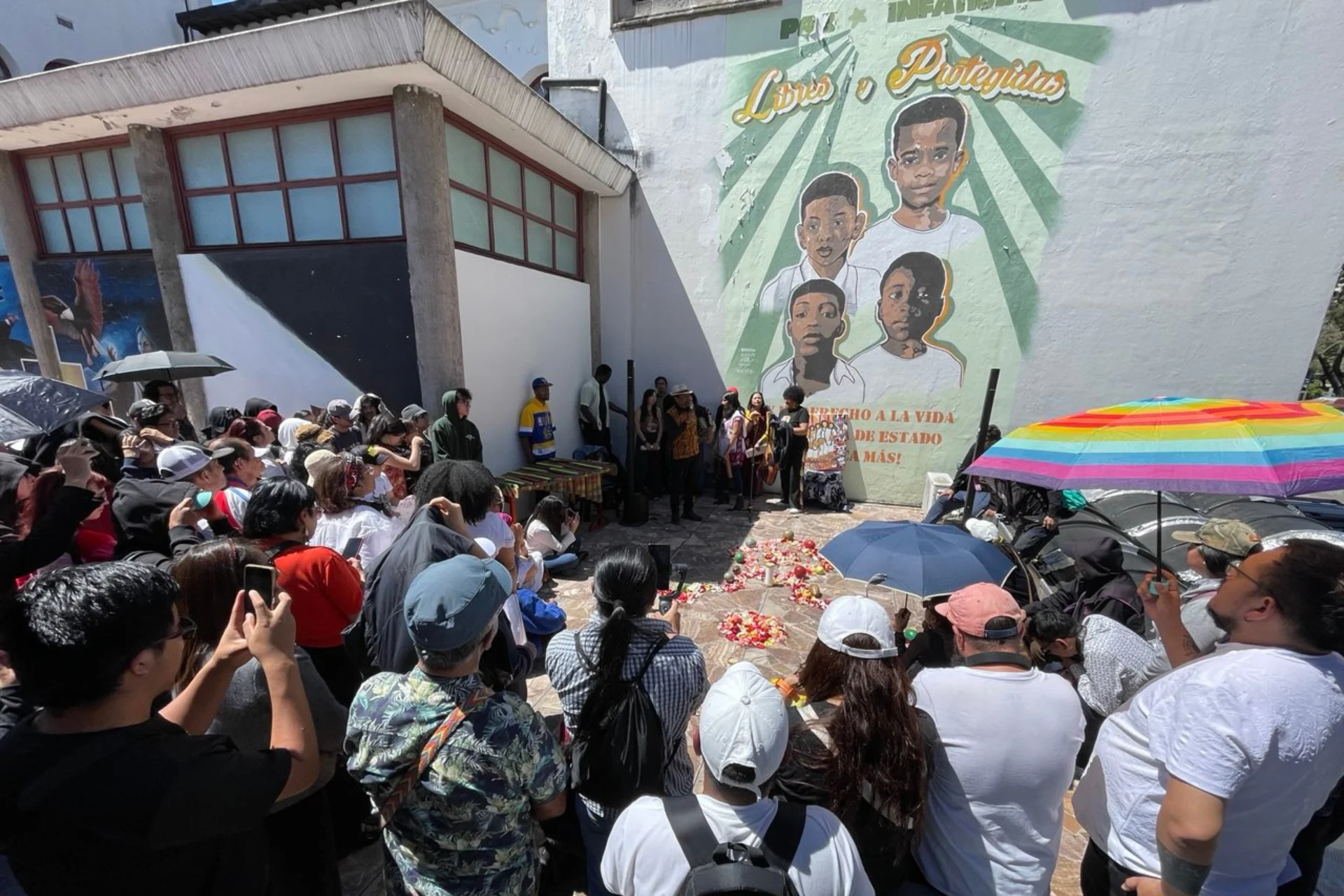
RELATED: Ecuadorian communities say goodbye to a community member killed in Otavalo and march in Nueva Loja
Indigenous resistance has persisted despite violent government crackdowns. At least three people have died since the strike began, while four residents of Imbabura remain in critical condition at the Eugenio Espejo Hospital after being injured during the protests.
The decision to continue mobilizations was confirmed during an extraordinary assembly attended by CONAIE leader Marlon Vargas. Indigenous leaders emphasized that the protests are fueled by mounting dissatisfaction with government policies, specifically citing state neglect and the expansion of oil and mining projects that threaten their territories and ways of life.
Violence in San Miguel del Común
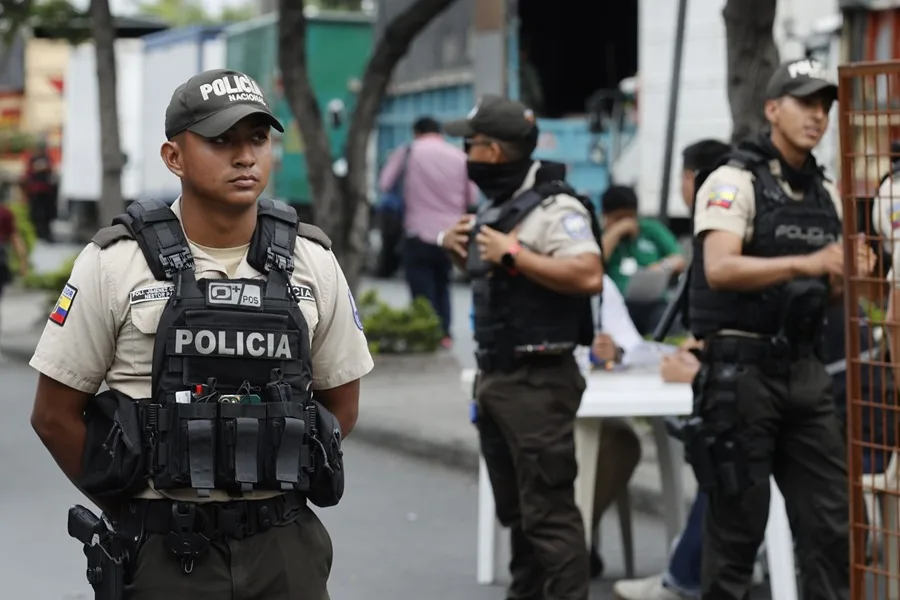
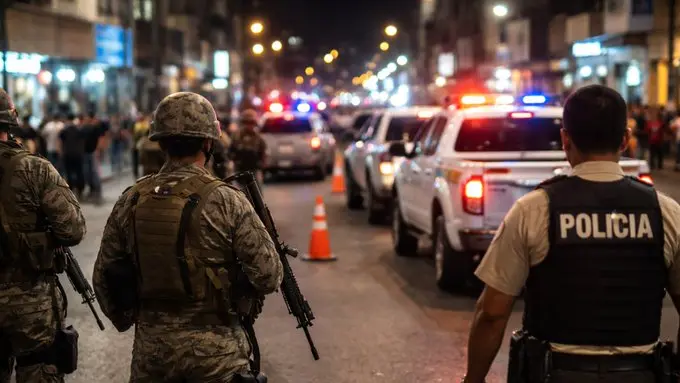
The protests, initially sparked by the diesel subsidy removal and the rising cost of living, have been marred by violent interventions from police and military forces. Residents of San Miguel del Común, north of Quito and considered a stronghold of resistance, reported that security forces entered residential areas indiscriminately. According to accounts from locals, officers deployed tear gas directly at homes, endangering children, the elderly, and other civilians. Many called for urgent assistance during the incursions.
Earlier operations in the same community involved hundreds of security personnel, with images showing police damaging surveillance cameras to act without accountability. These events have highlighted patterns of power abuse and human rights violations in areas resisting government policies.
Ongoing Road Blockades
Protesters continue to maintain roadblocks across three provinces, signaling their determination to persist despite repression:
- Carchi: Full blockade of the E35 Pan-American Highway North at Piquiucho.
- Pichincha: Obstructions on Guayllabamba–Tabacundo and Quito–Cayambe routes, including highways E-28 and E-35.
- Imbabura: Numerous closures in Antonio Ante, Cotacachi, Ibarra, and Otavalo, affecting the Pan-American Highway North as well as multiple rural and urban roads.
These blockades reflect the indigenous communities’ resolve to confront President Daniel Noboa’s policies.
Author: vmmh
Source: telesur