


Delcy Rodríguez assumes the role of acting president following the kidnapping of President Maduro
Delsy Rodriguez: “Let us swear as one country to move Venezuela forward in these terrible moments of threat to the stability and peace of the nation.”
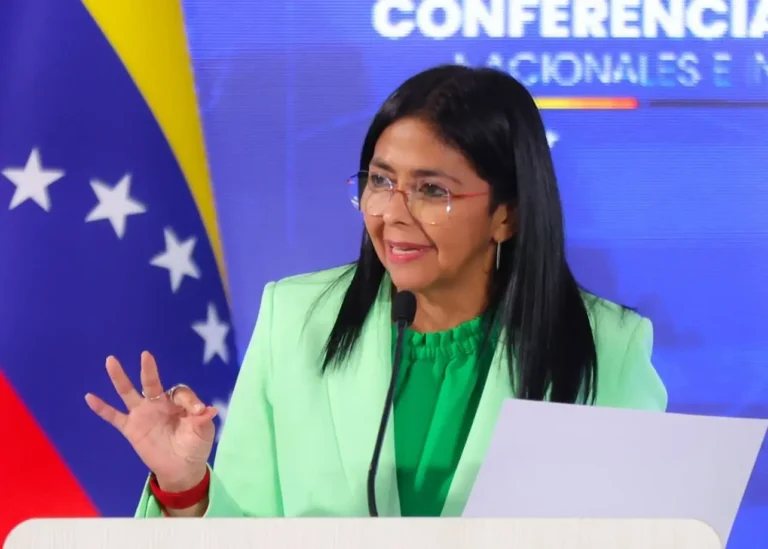
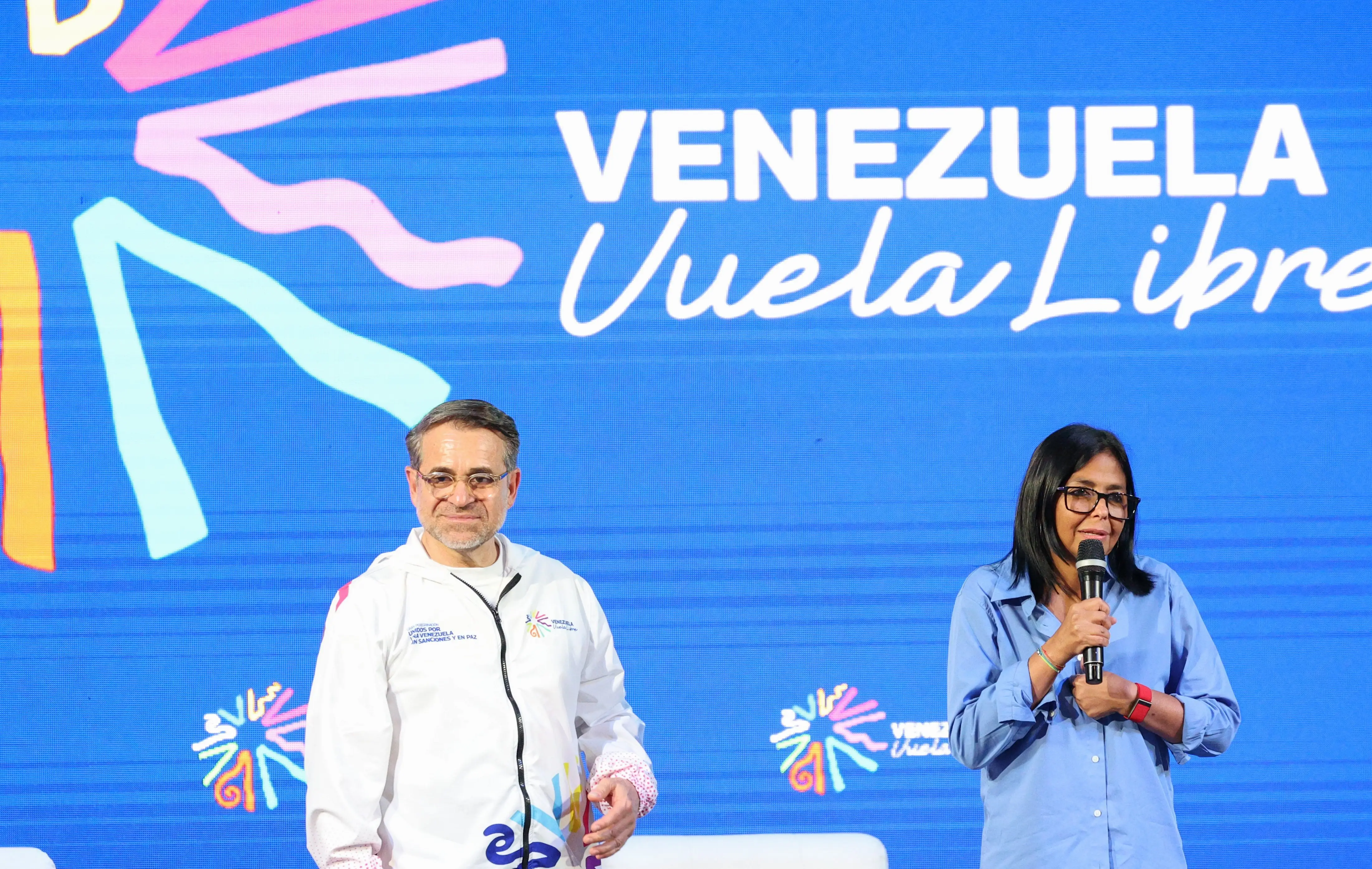
Delcy Rodríguez was sworn in as interim president of Venezuela. Photo: Telesur
January 5, 2026 Hour: 4:01 pm
🔗 Comparte este artículo
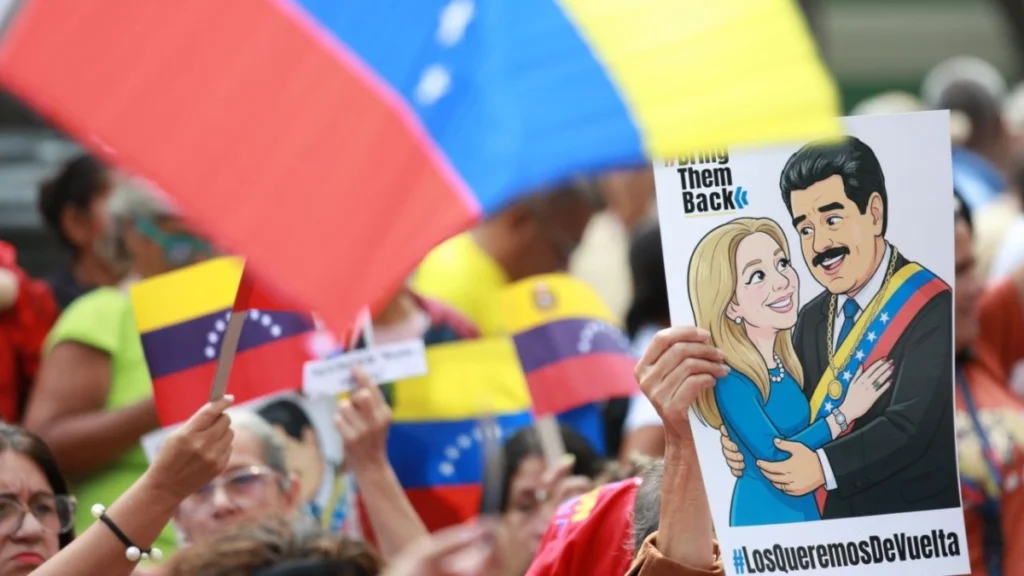
Delcy Rodríguez was sworn in this Tuesday, January 5, as Acting president of the Bolivarian Republic of Venezuela. During the ceremony, Rodríguez denounced an attempt at national destabilization and stated: “I come with sorrow for the kidnapping of President Nicolás Maduro and First Lady Cilia Flores.”
In her inaugural address, the acting head of state called for national unity and urged everyone to “swear as one country to move Venezuela forward in these terrible moments of threat to the nation’s stability and peace.”
RELATED:
Venezuela’s Supreme Court Orders Delcy Rodríguez to Assume as Interim President
The swearing-in took place before the Supreme Court of Justice, in compliance with Article 233 of the Bolivarian Constitution, which provides for the temporary replacement of the president in cases of absolute absence or physical or mental incapacity.
This constitutional provision establishes an automatic replacement system that prevents any power vacuum. It is not a presidential succession, but rather a temporary substitution that preserves the legitimacy of the office. Nicolás Maduro remains the constitutional president of Venezuela; Delcy Rodríguez exercises her functions as acting president while the forced impediment persists.
Justice Tania D’Amelio, president of the Constitutional Chamber, announced in a national broadcast that the judicial decision is based on the need to issue urgent and preventive precautionary measures to safeguard Venezuela. These types of measures are contemplated in the Organic Law of the Supreme Court of Justice and allow the highest court to adopt immediate actions when the continuity of the State is at risk.
The distinction is crucial: politically, there is neither an absolute nor a temporary absence of the president, but rather a situation of impediment caused by external aggression. Kidnapping does not create a vacancy; it creates a usurpation of the president’s freedom that the Venezuelan state does not recognize as legitimate for the purposes of political succession.
Author: HGV
Source: Prensa Presidencial