







DEA is The World’s Largest Drug Cartel, Venezuelan Interior Minister Denounces
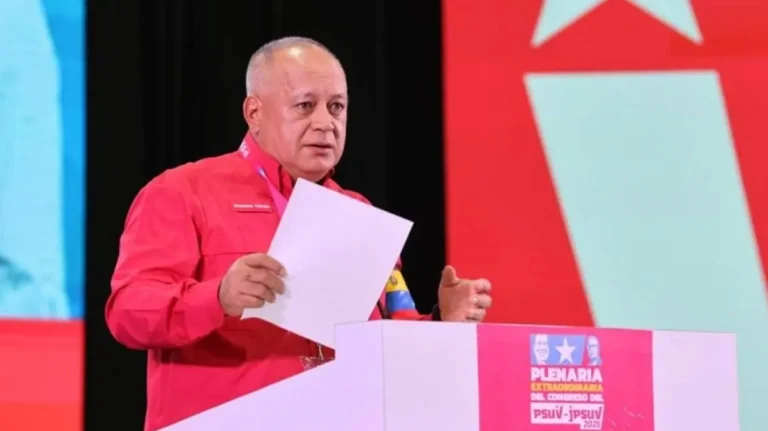
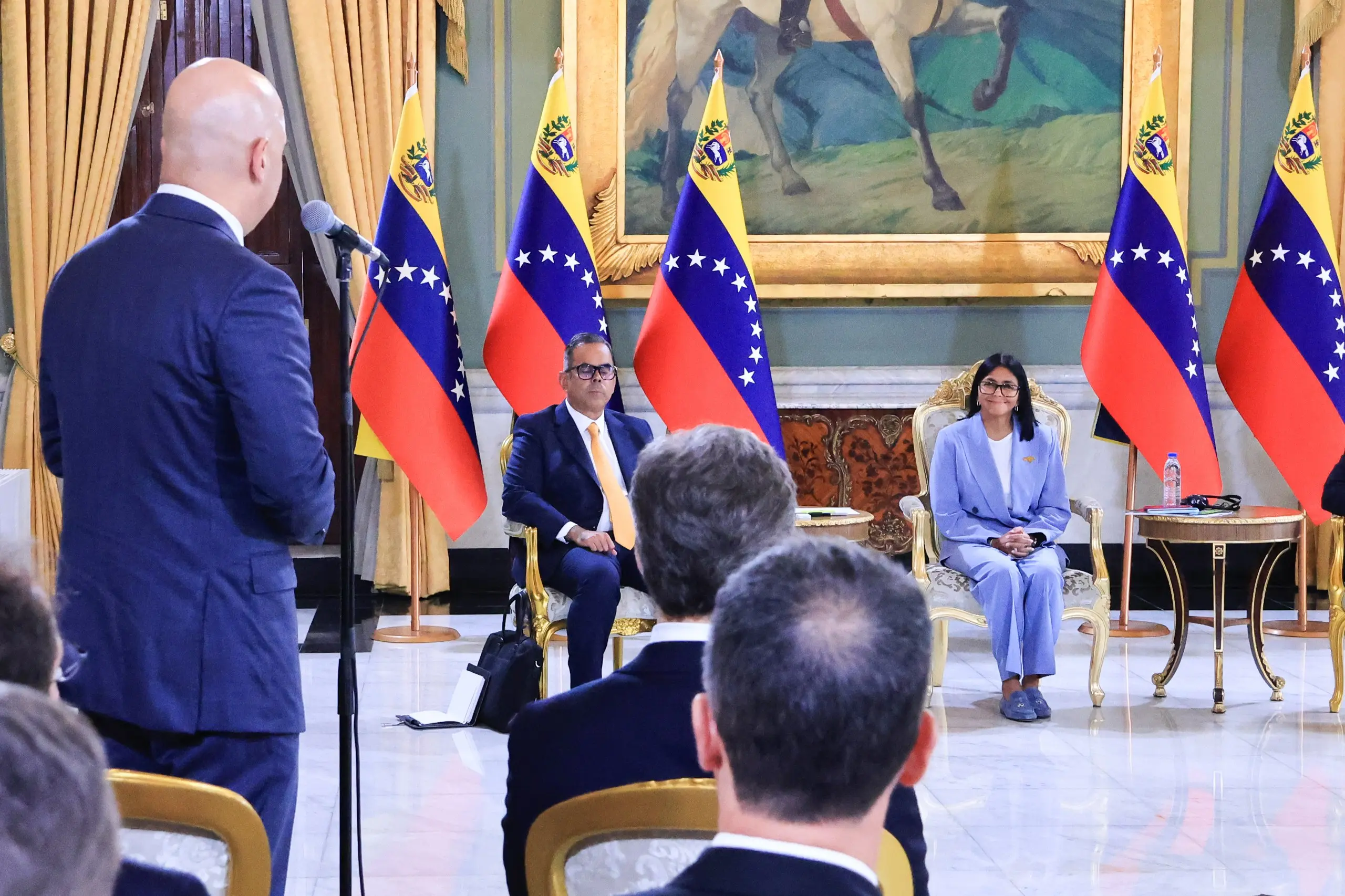
Interior Minister Diosdado Cabello, Sept. 11, 2025. Photo: Con el Mazo Dando
September 11, 2025 Hour: 2:22 pm
🔗 Comparte este artículo
Diosdado Cabello urges action against international hostility.
On Thursday, Venezuela’s ruling United Socialist Party (PSUV) held a plenary meeting in which its secretary, Diosdado Cabello, directly labeled the U.S. Drug Enforcement Administration (DEA) as “the world’s largest drug cartel.”
RELATED:
Venezuelan Defense Minister Hails Success of Nationwide Military Drills
Cabello questioned Washington’s counternarcotics narrative using data from the United Nations Office on Drugs and Crime (UNODC).
Citing that information, Cabello — who is also Venezuela’s interior minister — stressed that the United States has concentrated its naval fleet in the Caribbean along routes where supposedly only 5% of Colombian drugs transit. Meanwhile, he added, Pacific routes departing from Colombia and Ecuador, through which 87% of drug exports move, remain free of U.S. intervention.
“What is the world’s biggest drug cartel? The DEA,” Cabello stated, noting that this reality is absent from U.S. films and media products.
In response to U.S. threats of military intervention in Venezuela, Cabello recalled the words of the late President Hugo Chavez about the nature of his country’s ongoing revolutionary process: “This is a peaceful but armed revolution.”
Cabello called on the PSUV and the parties of the Great Patriotic Pole alliance to “make a decision” in the face of the international hostility.
“The time has come for revolutionary war against a powerful enemy. This party must immediately review all forms beyond what already exists… No one can underestimate that enemy. No one should overestimate it either. They are defeatable, and they know it.”
“Imperialism is determined to attack us,” the Interior minister warned, invoking the historic resistance of the Venezuelan people, exemplified by the women and men who fought the Spanish empire.
Inconsistencies in U.S. Counternarcotics Policy
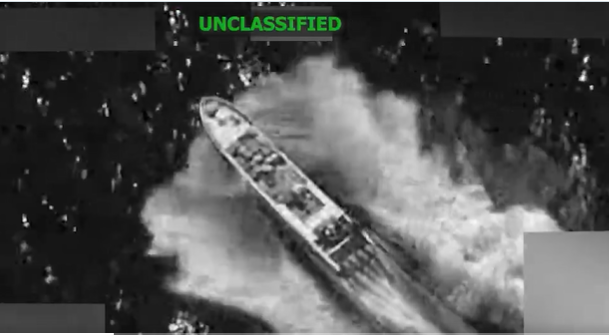
The Venezuelan government questioned the use of “lethal force” against vessels on the high seas during alleged counternarcotics operations. Cabello contrasted these methods with the protocols established under international law for drug interdiction cases.
“What is the standard practice when drugs are detected? Bomb the ship, or seize it to determine how much it carries?” he asked, criticizing international media for immediately adopting “the official message of imperialism” without showing “reasonable doubt” about the events.
He also stressed that Venezuela “does not cultivate coca or marijuana anywhere” and is “free of laboratories for drug processing.” This is confirmed by the latest United Nations reports, which contrast with Washington’s accusations of alleged Venezuelan drug trafficking operations.
Venezuela Stays More United Than Ever
Bolivarian leaders have been denouncing before the international community an escalation of aggression by the United States and its allies, accusing the South American country of being a base for terrorism and drug trafficking.
“They have tried to present Venezuela as an enemy of the U.S. people and responsible for directing global drug trafficking,” Cabello said.
To contextualize the current situation, he paraphrased Simon Bolivar’s speech to the Patriotic Society on July 4, 1811, when the Liberator urged unity to achieve independence from Spain.
“To unite in order to rest and sleep in the arms of apathy was yesterday a shortcoming; today it is treason.”
Sending a warning to imperialism and the transnational right, Cabello also reminded that Venezuela possesses “oil, gas, gold and water, but also dignity.”
teleSUR/ JF S
ources: TVT – teleSUR