De la Espriella’s Navigates Turbulence During First 100 Days
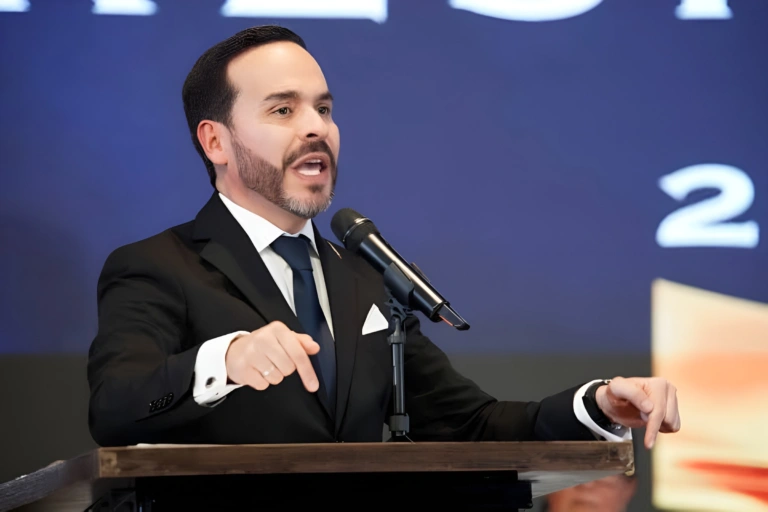
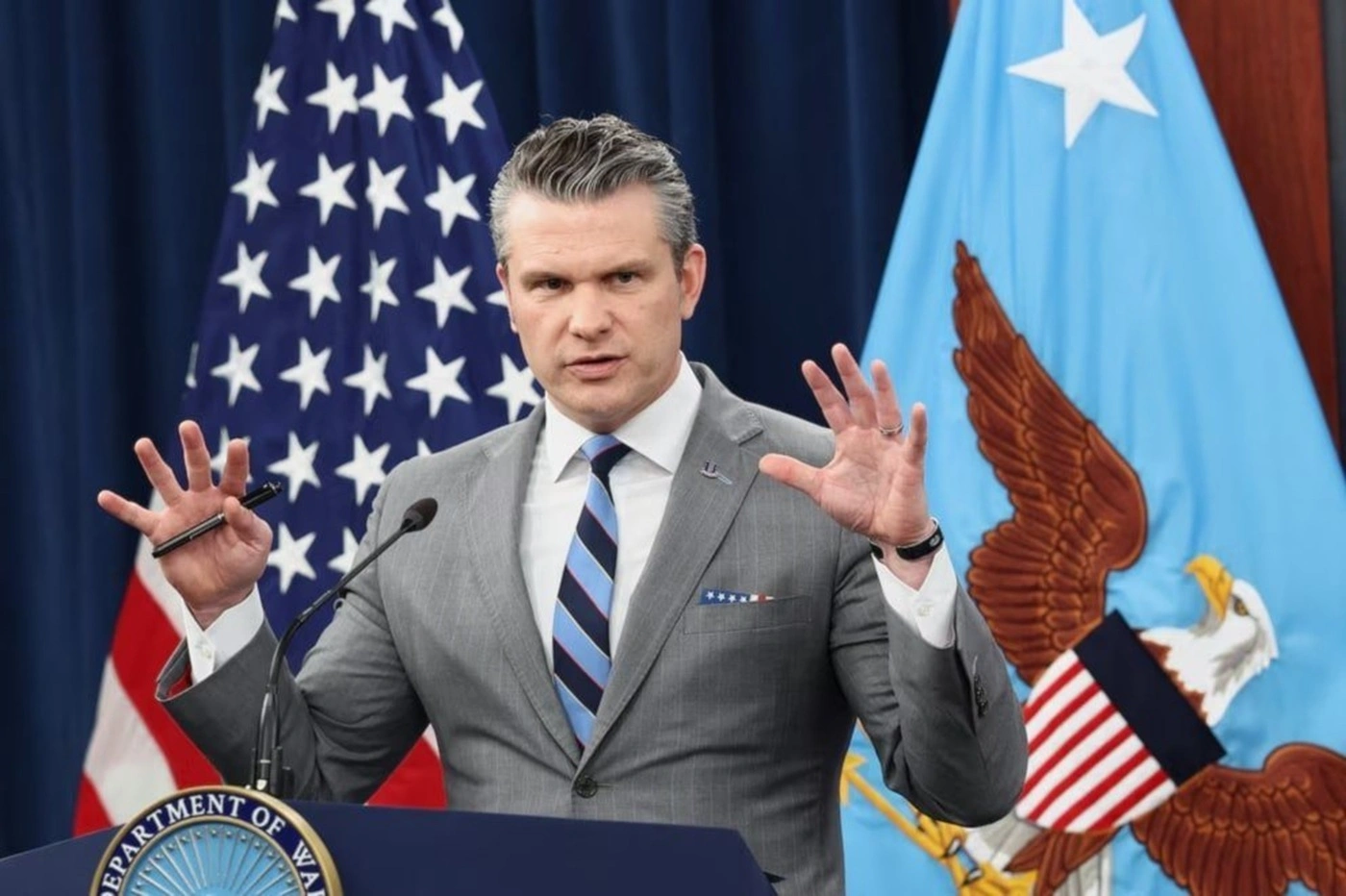
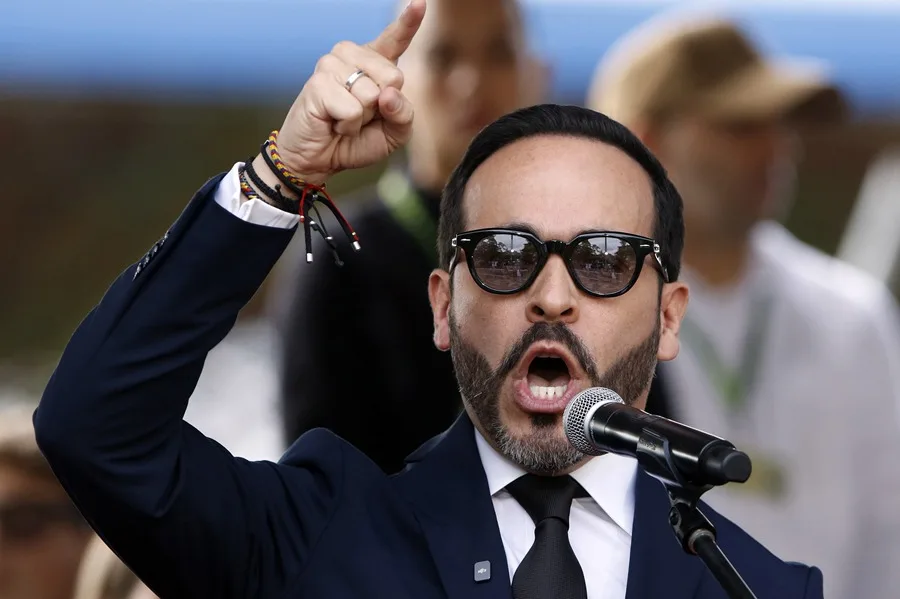
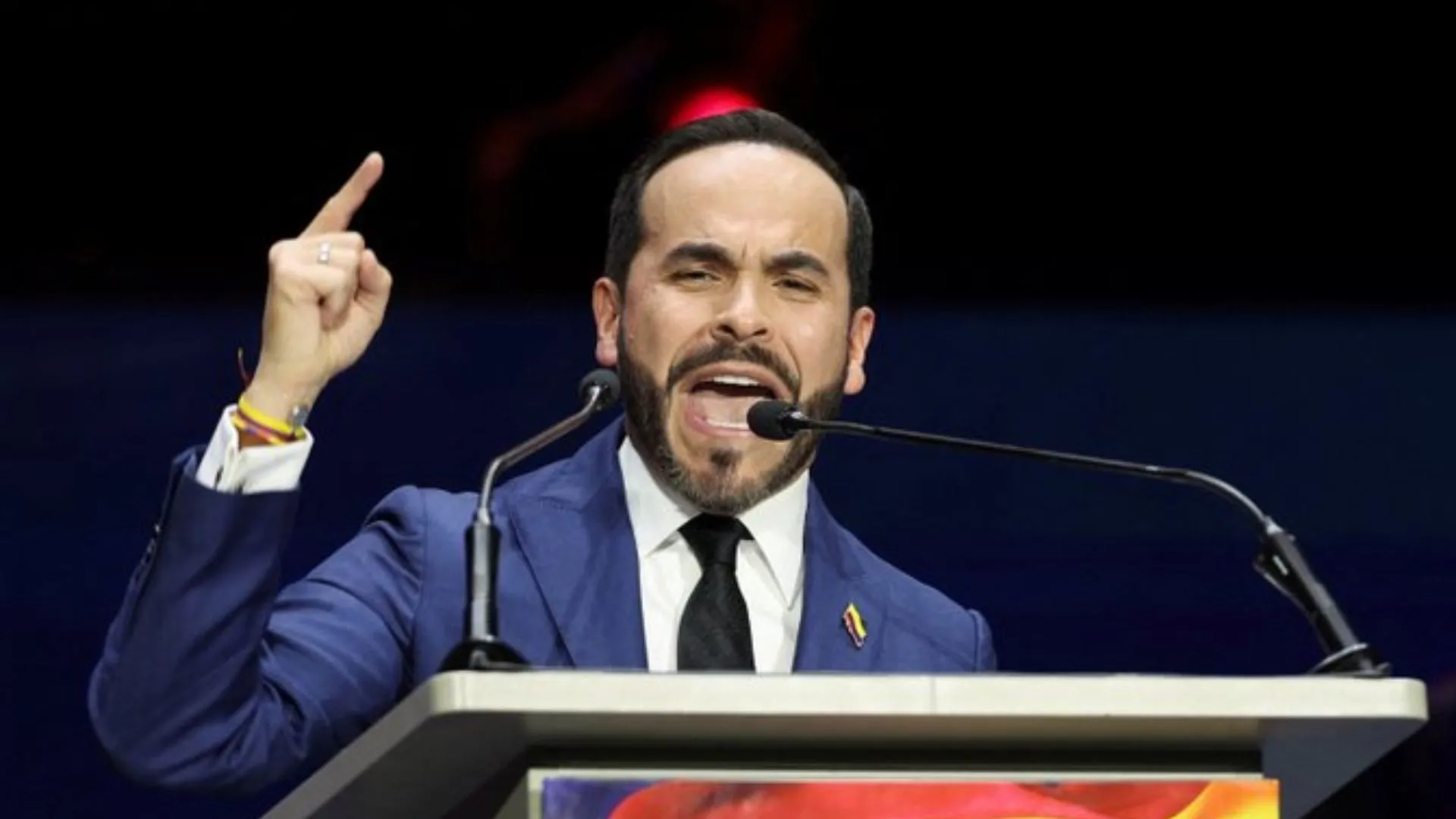
Abelardo de la Espriella, President of Colombia. Photo: Reuters.
November 18, 2026 Hour: 9:33 pm
🔗 Comparte este artículo
Tracing the policies, ministerial exits, and judicial inquiries shaping Colombia after the 2026 presidential election.
On August 7, Abelardo de la Espriella took the oath of office as Colombia’s 36th President, succeeding President Gustavo Petro. Known publicly by his nickname “The Tiger“, De la Espriella entered the Nariño´s House with no prior experience in elected public office.
De la Espriella’s election marked a political shift toward far right-wing governance, emphasizing strict security enforcement, reduced state intervention, and market-oriented economic policies.
RELATED: Abelardo de la Espriella’s First 100 Days: Amidst Protests and Political Tensions
During his inauguration speech on August 7, de la Espriella outlined the core principles of his four-year term, which he termed the “Miracle Homeland” project. While promising a firm stance against armed groups and an immediate restart of oil and gas exploration, he also sought to address concerns regarding institutional stability.
As the administration reaches its first 100 days in November 2026, public institutions and political analysts are evaluating how these campaign promises and inaugural commitments have translated into concrete governance.
The 2026 Colombian Presidential Election
Abelardo de la Espriella reached the presidency through his political movement, Defenders of the Homeland, which he founded in 2024 and registered in alliance with the National Salvation Party.
Running alongside former Finance Minister José Manuel Restrepo as his vice-presidential candidate, de la Espriella led the first round of voting on May 31, 2026, securing 43.7 percent of the valid vote.
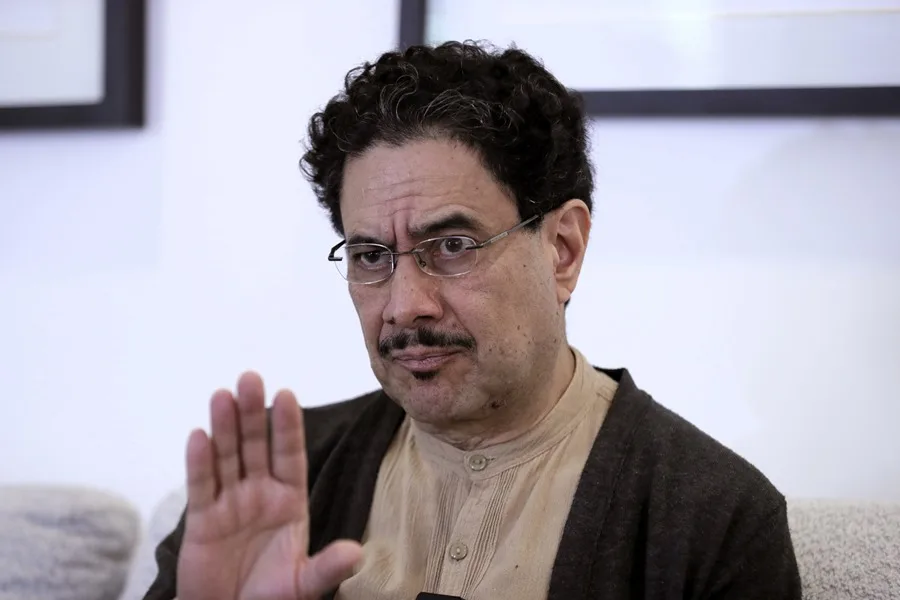
Left-wing senator Iván Cepeda, representing the Historic Pact coalition and running with native senator Aida Quilcué, finished second with 40.9 percent. Because none of the 13 candidates achieved an absolute majority, the race advanced to a runoff.
Official data from the National Civil Registry recorded a voter turnout of 63.6 percent among 41.4 million eligible voters, an increase of 5.7 percentage points compared to the first round. De la Espriella won the presidency with 12,960,166 votes (49.66 percent), defeating Cepeda, who received 12,708,312 votes (48.70 percent).
The geographic vote distribution reflected sharp regional divisions across Colombia. De la Espriella secured majorities in traditional conservative strongholds such as the department of Antioquia, where he won 64.4 percent of the vote (2,185,834 ballots).
Despite winning the Executive power, de la Espriella assumed office without an automatic legislative majority in the Colombian Congress. Following the March 8, parliamentary elections, the Historic Pact secured a significant bloc in both the Senate and the House of Representatives, establishing itself as the primary opposition force alongside parties such as En Marcha.
To pass legislation, the administration relies on a coalition anchored by former President Alvaro Uribe’s Democratic Center and Radical Change, while negotiating support from traditional parties like the Liberal Party and the Independent Movement for Absolute Renewal (MIRA).
Key executive initiatives, including a proposed tax reform aimed at addressing a fiscal deficit estimated at 6.8 percent of GDP by the Ministry of Finance, have faced delays and internal revisions from coalition partners in the first 100 days.
Fiscal Adjustment and Food Security
During its first 100 days, the de la Espriella administration introduced a fiscal adjustment package to reduce public spending and address Colombia’s fiscal deficit.
In late October 2026, the Ministry of Finance submitted a tax and fiscal rescue bill to Congress proposing a 9.6 trillion colombian pesos (about 2.96 billion U.S. dollars) reduction in state contractor spending.
After opposition groups’ criticism and coalition lawmakers’ concerns about taxes on middle- and low-income households, President de la Espriella announced on November 15, that basic food items in the family basket and agricultural inputs would remain exempt from Value Added Tax (VAT).
At the same time, Abelardo de la Espriella introduced an Economic Rescue Bill in Congress, which proposes reducing state spending by cutting service-provision contracts (OPS) by 50% by 2027 and reducing personnel expenditures by 20% by 2028.
The law also proposes reducing the number of ministries and public entities, alongside neoliberal adjustment measures and the divestment or privatization of certain assets. Furthermore, it suggests lowering the tax rate for legal entities (companies) from 35% to 33%, and subsequently to 31%.
Another section of the original proposal sought to soften the tax on high-net-worth individuals by raising the minimum threshold at which the tax applies. This proposal drew criticism for favoring large corporations and the “super-rich” through tax relief on income and assets, while shifting the fiscal burden onto the middle and working classes.
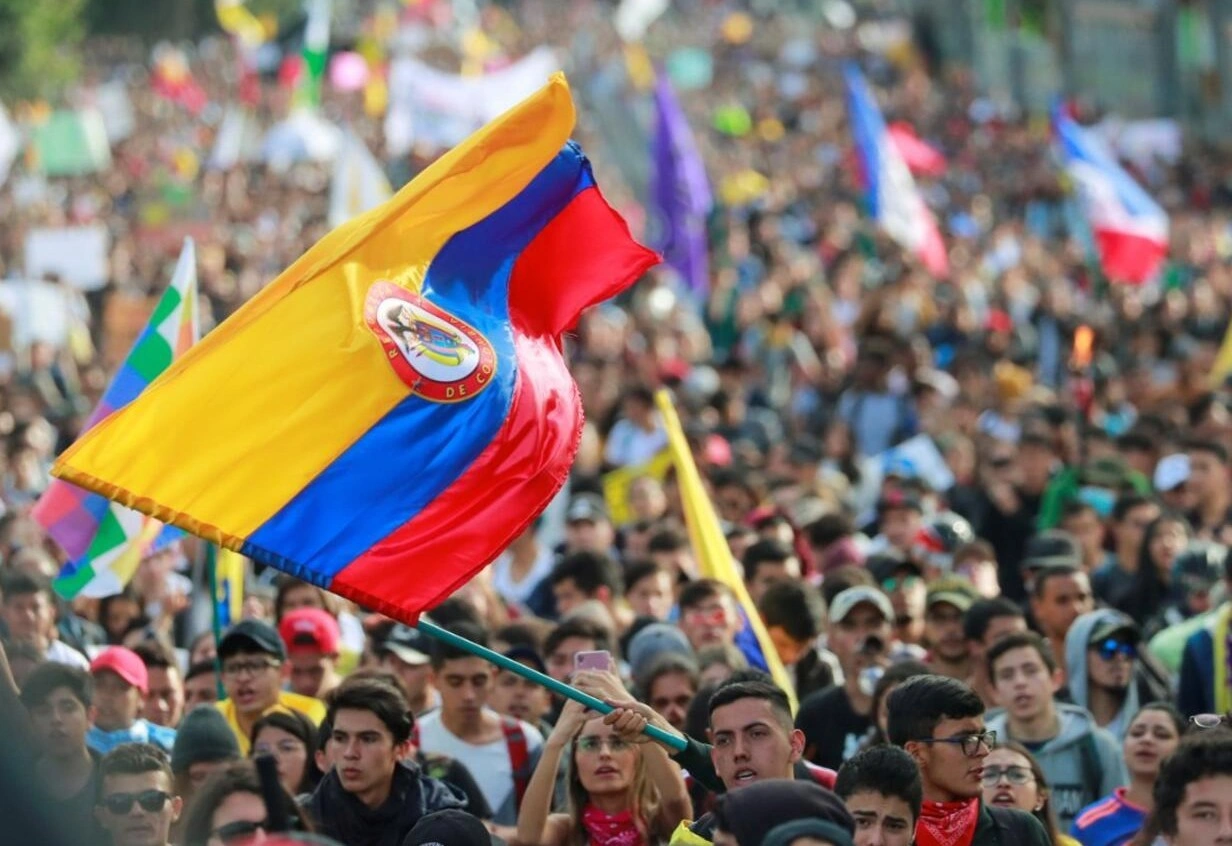
Economic and labor policies generated public pushback. On October 14, labor unions including the Unitary Workers’ Central (CUT) and the General Confederation of Labour (CGT), alongside student groups, native people’s organizations such as the Regional Indigenous Council of Cauca (CRIC), and opposition leaders including Senator Iván Cepeda and former President Gustavo Petro, held nationwide demonstrations in Bogotá and other major cities.
Protesters opposed the repeal of 11 labor circulars on union freedom and domestic work, as well as changes to rules governing public demonstrations. These circulars, issued between September 2025 and July 2026 during the administration of Gustavo Petro, contained inspection guidelines and criteria regarding freedom of association, collective bargaining, paid domestic work, enhanced job security, working hours and overtime, private security services, and delivery workers for digital platforms.
For some labor unions, the elimination of these circulars represents a political setback and weakens the capacity to monitor and demand compliance with guarantees for workers.
Among these circulars, de la Espriella amended a 2021 decree that sought to exhaust avenues for dialogue and mediation during protests before the intervention of public security forces. In contrast, the new decree stipulates that dialogue is neither mandatory nor a prerequisite step for the police to intervene directly.
In education, the administration experienced early cabinet turnover when Minister Viviane Morales left the post and was replaced by Ilva Myriam Hoyos Castañeda.
According to the Ministry of National Education’s 100-day report, the government allocated 415.31 billion colombian pesos (about 128.3 million U.S. dollars) to repair 265 school facilities damaged by the August 10 earthquake and restored classes for 1,275,967 affected students within 48 days using hybrid and in-person schedules.
The Ministry also declined to renew the 36-year fiduciary contract with the Fiduprevisora company under the National Teacher Social Benefit Fund (FOMAG), initiating a transition for teachers’ healthcare services, and committed 100.93 billion Colombian pesos (about 31.2 million U.S. dollars) to subsidize interest rates on Colombian Institute of Educational Credit and Technical Studies abroad (ICETEX) student loans for 235,000 prioritized borrowers.
In the healthcare sector, the Ministry of Health launched a shock plan to clear backlogs for 1,069,196 patients awaiting medications, specialist appointments, or medical procedures, prioritizing chronic and high-cost illnesses as well as pregnant women.
Regarding agriculture, the Ministry of Agriculture and Rural Development focused on reactivating commercial production in the Caribbean region and maintaining the School Feeding Program (PAE) budget for 2027, adding 2.99 billion pesos (about 923,000 U.S. dollars) to expand coverage in Pasto.
During its first 100 days, the de la Espriella administration systematically dismantled the Areas of Protection for Food Production (APPA), a land-use zoning policy created under Article 32 of the previous government’s 2023 National Development Plan to shield prime agricultural land from mining, urban expansion, and industrial projects.
Fulfilling a central campaign pledge, President Abelardo de la Espriella and Agriculture Minister Indalecio Dangond revoked the APPA resolutions across six departments such as La Guajira, Cundinamarca, Antioquia, Córdoba, Tolima, and Santander, lifting restrictions on nearly one million hectares of rural land by November 11, 2026.
Environmental groups, peasant organizations, and opposition lawmakers criticized the repeal, arguing that eliminating federal protections leaves fertile soils and water sources vulnerable to extractive industries, threatens long-term domestic food sovereignty, and that reduced state support could undermine small-scale peasant agriculture.
End of Peace Dialogues
Security policy constituted a pillar of the administration’s first 100 days. Shortly after taking office, de la Espriella ended the “Total Peace” negotiation framework.
De la Espriella’s government formally closed peace dialogue tables and socio-juridical spaces that were advanced with “Total Peace” during the Gustavo Petro administration with the National Liberation Army (ELN), the Conquistador Self-Defense Groups de la Sierra Nevada, and urban armed structures in Medellín, the Aburrá Valley, Quibdó, and Buenaventura, while lifting the Temporary Location Zone in Valle del Guamuez.
Although the “Total Peace” policy did not result in definitive agreements for disarmament and mass demobilization, it did facilitate socio-legal engagements with high-impact organized crime structures. It also maintained a bilateral ceasefire with the ELN for one year and succeeded in securing an initial agreement regarding the participation of civil society. Furthermore, under Petro’s administration, indicators of violence in Colombia declined; urban homicides, massacres, kidnappings, and the killings of former combatants all decreased compared to previous periods.
In place of political negotiations, the de la Espriella government introduced a judicial submission bill, Law 2640 of November 4, 2026, requiring armed groups to surrender to justice or face military force. “My order has been clear and forceful: to recover territorial control and confront criminal and narcoterrorist organizations like never before,” de la Espriella said in his November 15 report, stating that sanctuaries for armed groups had ended.
Across the first 100 days, security forces recorded 47,873 arrests and conducted seven aerial bombings against illegal armed structures, killing mid-level commanders from the ELN, the Gulf Clan, and FARC dissident factions.
Reports from the National Institute of Legal Medicine and Forensic Sciences confirmed that minors were among the deceased in four of the six military bombings conducted between August and October 2026. Specifically, during Operation Amón on August 27 in El Retorno, Guaviare, targeting dissidents under the alias Calarcá, 10 people were killed, including three minors aged 15 and 16. Additional minor fatalities were confirmed following strikes in Catatumbo on August 10 (one 16-year-old), Miraflores, Guaviare on August 31 (two minors), and Tibú on October 10 (one 16-year-old).
Following a tutela injunction request, a court in San José del Guaviare ordered a temporary suspension of military bombings while reviewing constitutional protections for minors.
In response to the Guaviare casualties, the Historic Pact coalition promoted a motion of no confidence in Congress against Defense Minister General (ret.) Jorge Eduardo Mora.
During the congressional debate, opposition lawmakers argued that the military operations violated international humanitarian law regarding the presence of minors in armed camps, while Mora and government allies maintained that the strikes complied with operational protocols against military targets. On September 23, 2026, the Senate plenary rejected the motion of no confidence by a vote of 65 to 17, keeping Mora in office.
Cabinet Turnover, Quake Response, Donation Management
Institutional stability and disaster management emerged as central challenges for the de la Espriella administration during its first 100 days.
Approximately 20 senior officials left their positions between August and November 2026. Among the departures were Education Minister Viviane Morales and Interior Minister Rodrigo Lara, as well as Jaime Andrés Uribe Tamayo, the first manager of the government’s earthquake reconstruction fund, who resigned on November 13 and was replaced by former Housing Minister Luis Felipe Henao.
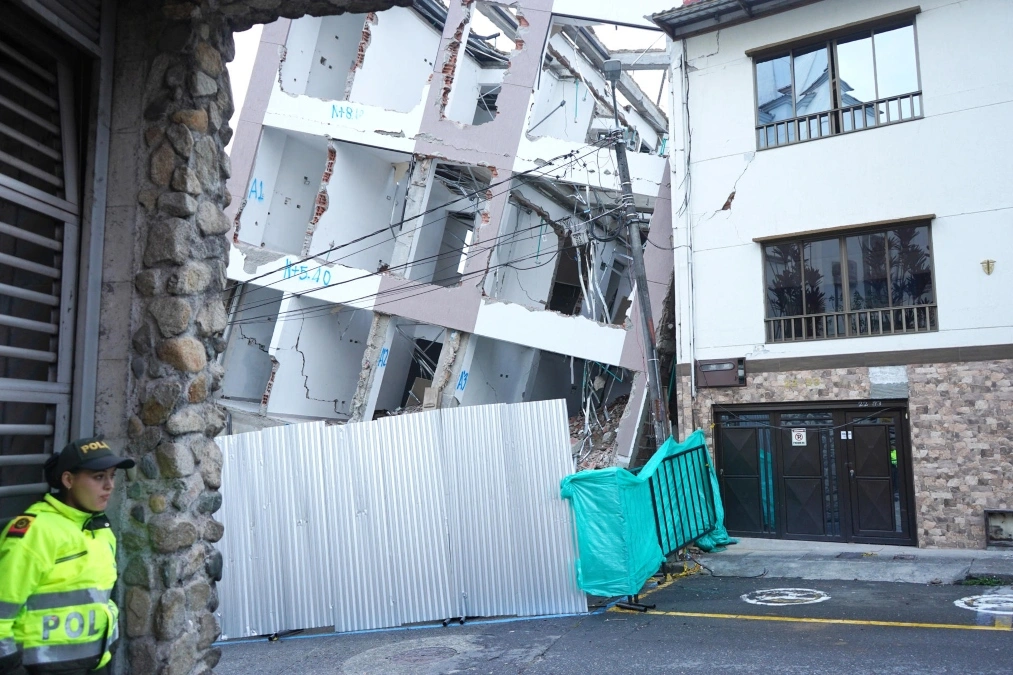
The government’s primary test was the August 10, magnitude 7.4 earthquake centered near San José del Palmar, Chocó. According to data from the United Nations Office for the Coordination of Humanitarian Affairs (OCHA), the disaster affected roughly 112,400 people across 30 municipalities in Chocó alone, predominantly Afro-Colombian and native communities, while causing severe structural collapses in departments such as Valle del Cauca and Risaralda.
On August 19, President de la Espriella issued Decree 1261, declaring a 30-day economic, social, and ecological state of emergency, which led to the creation of the so-called “Miracle Fund” on September 9 to manage reconstruction.
Independent media outlets documented substantial delays in the fund’s execution. The “Miracle Fund” board of directors held its first meeting on October 15, 66 days after the earthquake.
By November 9, while 624.65 billion Colombian pesos (about U.S. dollars) had been approved for projects, including 332 billion Colombian pesos (about 102.5 million U.S. dollars) for 7,385 housing solutions and 50 billion pesos (around 15.4 million U.S. dollars) for demolitions, only 1.19 percent of the allocated resources had entered formal contracting processes.
Fund critics also focused on the costs of the “Miracle Fund”, which operates outside standard public procurement rules under Law 80.
Alongside state reconstruction efforts, public scrutiny centered on private donations collected by the Colombia Light and Smiles Foundation, a non-profit organization established on July 7, 2026, and led by First Lady Ana Lucía Pineda.
After the earthquake, the foundation launched the “Colombia, One Heart” campaign and reported collecting 54.58 billion Colombian pesos (around 16.9 million U.S. dollars) from private companies and citizens, alongside delivering 5,652 tons of humanitarian aid to over 48,000 people in 80 municipalities.
Opposition lawmakers, led by Senator Alejandro Ocampo, filed legal actions demanding detailed financial records regarding the funds. On November 5, a judge in Bogotá ordered Pineda to publish a complete breakdown of the donations within 48 hours, and Ocampo subsequently filed a contempt motion alleging incomplete disclosure.
Both Pineda and President de la Espriella denied any misuse of funds. “I have my accounting report for the foundation, and all the donation money rests there,” Pineda stated, explaining that the board decided to hold the financial reserves for a second phase of housing construction.
Assessment and Outlook After 100 Days
At the 100-day mark on November 15, the de la Espriella administration’s performance reflects the tension between its executive priorities and Colombia’s institutional and structural constraints.
In November 2026, Abelardo de la Espriella has an approval rating of 46.9% and an unfavorable rating of 51.7%. His favorable rating has fallen by 6.7 percentage points compared to September.
Negative perceptions center on economic and fiscal policies, specifically the proposed tax reform and concerns regarding the Value Added Tax (VAT), as well as his confrontational political style and delays in the physical reconstruction phase following the earthquake on August 10.
Disapproval is highest among young adults aged 25 to 34 (65% disapproval), residents of the Pacific region (where approval drops to 26.1%), and those in major urban centers, such as Bogotá (52.1% disapproval), Cali, and Pereira.
Moving forward, the administration’s trajectory depends on its ability to accelerate physical reconstruction in earthquake-affected regions and manage social mobilization, including a national strike called by labor and social organizations for November 19, 2026.
Sources: RTVC – Radio Nacional Colombia – La Silla Vacía – Vorágine – RUMS – Rutas del Conflicto – Volcánicas – El Tiempo – El Espectador – Insight Crime – Centro de Memoria Histórica – France 24 – El Orden Mundial
Author: Silvana Solano - LVM
Source: TeleSUR