







Cuban Culture Day Honors Roots of a Nation United by Art and Resistance
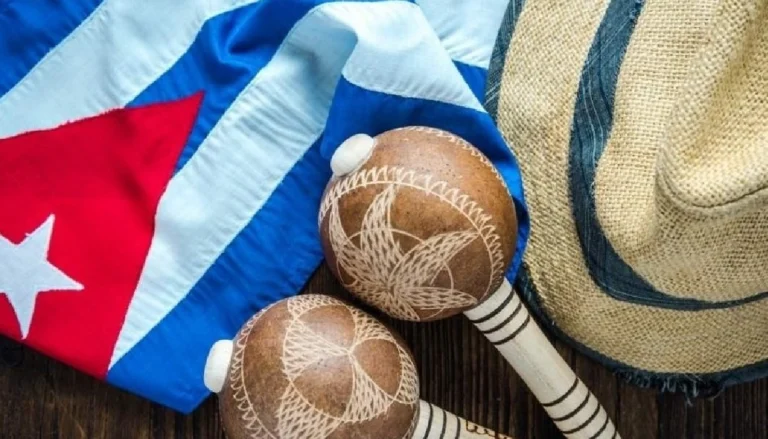
Photo: Cuba Minrex.
October 20, 2025 Hour: 2:12 am
🔗 Comparte este artículo
Every October 20, Cuba celebrates Cuban Culture Day. The date commemorates a key moment in the nation’s struggle for independence: on October 20, 1868, during the uprising in Bayamo against Spanish colonial rule, the Cuban national anthem “La Bayamesa” was sung publicly for the first time. Written by Perucho Figueredo, who later died fighting for independence, the anthem became a symbol of Cuban national identity and resistance. For that reason, this day honors not just culture, but the birth of a national conscience.
Cuban culture is the result of a rich and complex process of cultural fusion known as transculturation, a term coined by Cuban anthropologist Fernando Ortiz. From the Spanish came the language and many religious and artistic influences; African peoples, brought to the island through slavery, contributed deeply to Cuban rhythms, spirituality, and traditions; the Indigenous Taíno left linguistic footprints and agricultural knowledge; and later Caribbean and immigrant communities, including Chinese and Haitian, also shaped Cuban society. Cuban culture was forged through this interaction of peoples, producing a unique identity.
Music is perhaps Cuba’s most recognizable cultural expression. Genres such as son cubano, danzón, bolero, rumba, mambo, cha-cha-cha, and later salsa were either born in Cuba or heavily influenced by it. Rumba, declared Intangible Cultural Heritage of Humanity by UNESCO in 2016, traces its origins to Afro-Cuban communities. In contrast, son cubano emerged as the foundation of many other Cuban rhythms, combining Spanish melodies with African percussion. During the 1960s and 70s, the Nueva Trova movement, led by artists like Silvio Rodríguez and Pablo Milanés, added poetic social commentary to Cuban music in the post-revolutionary era.
Dance is inseparable from Cuban life. The Cuban National Ballet, founded by the legendary ballerina Alicia Alonso, has gained global recognition for its artistry and discipline. Meanwhile, traditional dances like casino (a style linked to salsa), rumba, and danza continue to thrive among the people. Dance in Cuba is not just performance—it is a social language and an expression of identity.
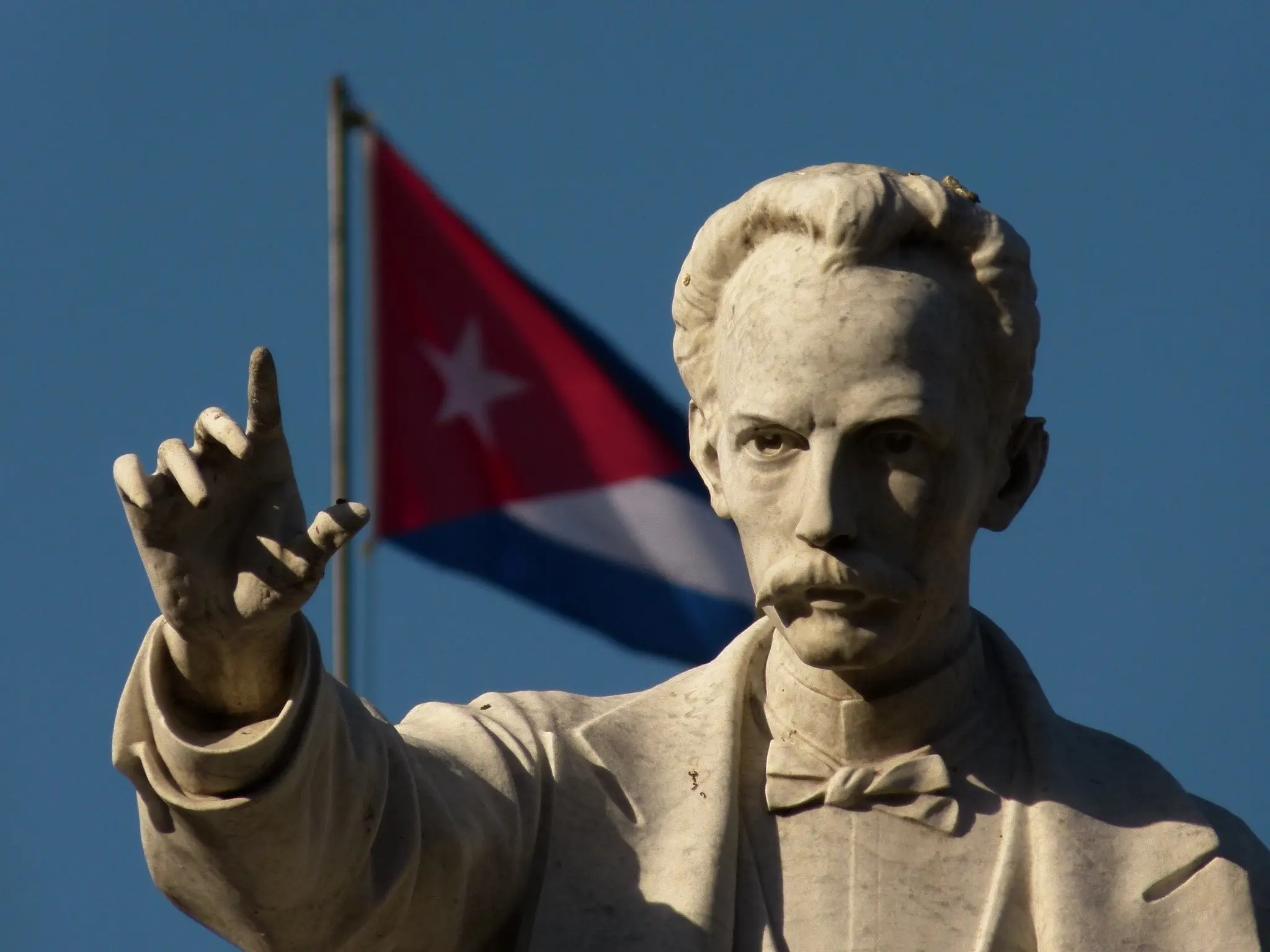
Literature has also played a central role in shaping Cuban identity. José Martí, Cuba’s national hero, used journalism and poetry to call for Latin American unity and Cuban independence. His writings continue to influence Cuban thought and education. In the 20th century, writers like Nicolás Guillén, national poet of Cuba, gave voice to Afro-Cuban culture through rhythmic poetry, while Alejo Carpentier introduced the concept of lo real maravilloso (the marvelous real), considered a precursor to magical realism in Latin American literature.
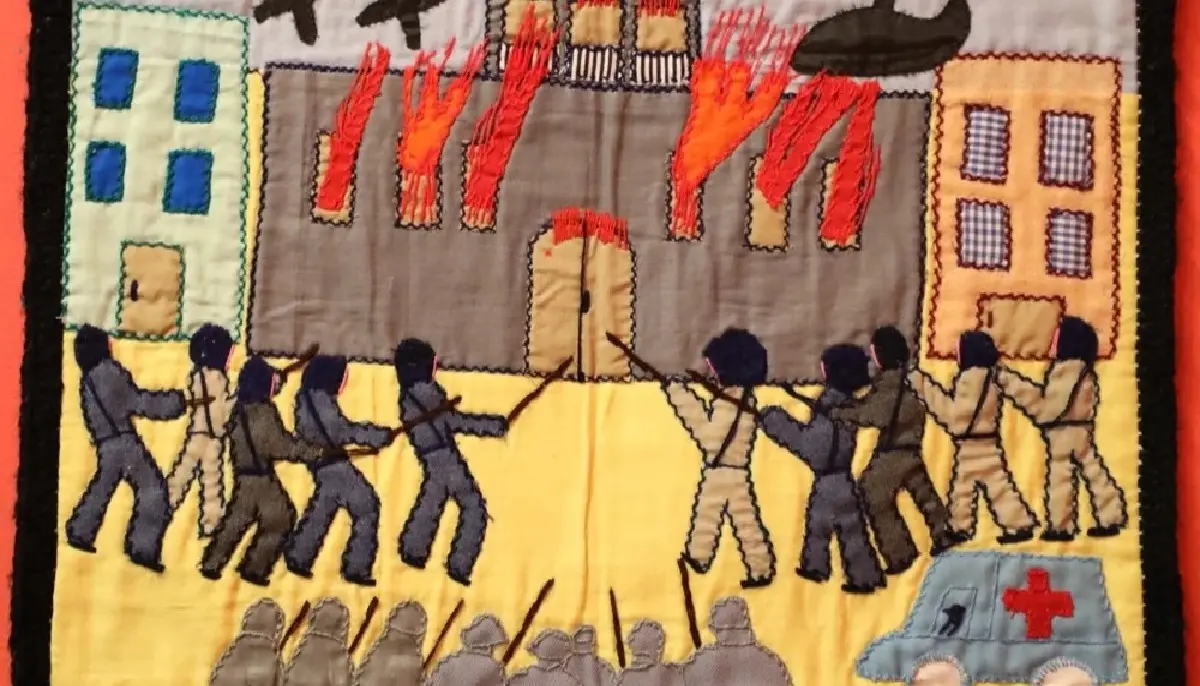
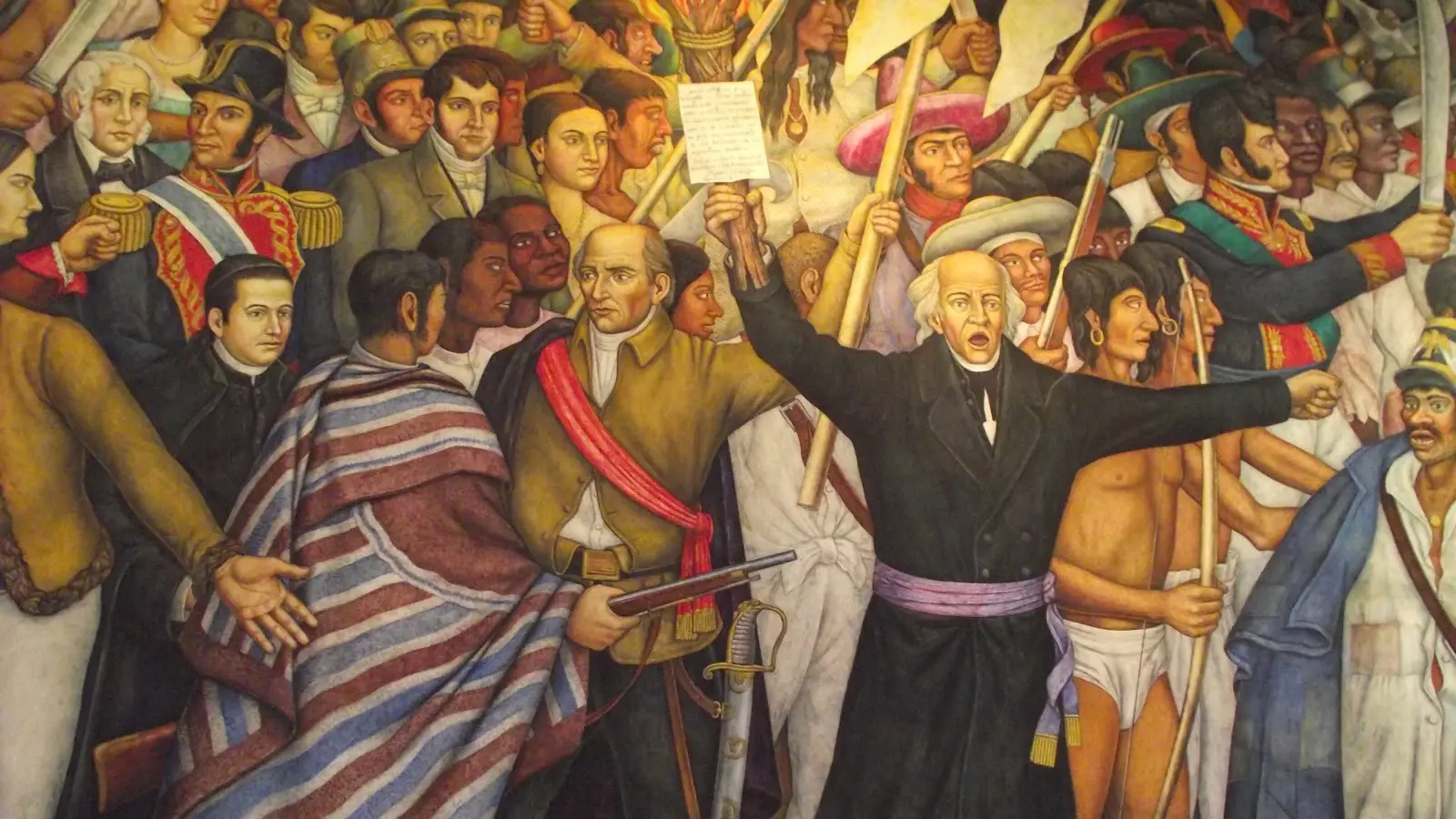
Cuban visual art is recognized worldwide for its creativity and symbolism. Renowned painter Wifredo Lam blended elements of surrealism with Afro-Cuban spirituality, creating a unique and influential artistic language. The revolutionary period also gave rise to strong poster art and muralism, used for cultural education and political messages. Today, Havana’s streets continue to serve as living galleries filled with visual reflections of the nation’s history and future.
Religion in Cuba reflects its multicultural origins. While Catholicism remains widespread, African religions endured through Santería, also known as Regla de Ocha, brought by enslaved Yoruba people. This belief system blends African deities known as orishas with Catholic symbols. Music, dance, and drumming are central to Santería and have influenced Cuban music and culture far beyond religious contexts.
Daily Cuban culture is also expressed through traditions, language, and food. Cuban cuisine is a reflection of its history, featuring dishes like ropa vieja, moros y cristianos, yuca con mojo, and ajiaco, a traditional stew. Social life often revolves around communal spaces—domino games, street conversations, baseball games, and neighborhood celebrations are fundamental aspects of life on the island.
Since 1980, Cuban Culture Day has served not only to remember history but also to defend cultural sovereignty. Despite economic hardships and decades of U.S. sanctions, Cuba maintains strong cultural education programs and free access to arts training through institutions like the House of the Americas and national art schools. For Cubans, culture is not a luxury—it is a right and a way of resistance.
Ultimately, Cuban Culture Day is more than a commemoration—it is a tribute to the enduring spirit of the Cuban people. Through poetry, drums, dance, and song, Cubans have protected their identity and history despite facing constant imperialist aggresions. As José Martí once wrote, “Ser culto es el único modo de ser libre”—to be cultured is the only way to be free.
Author: vmmh