


Cuba to Prioritize Essential Travel Amid Fuel Adjustment Strategy Due to U.S. Fuel Blockade
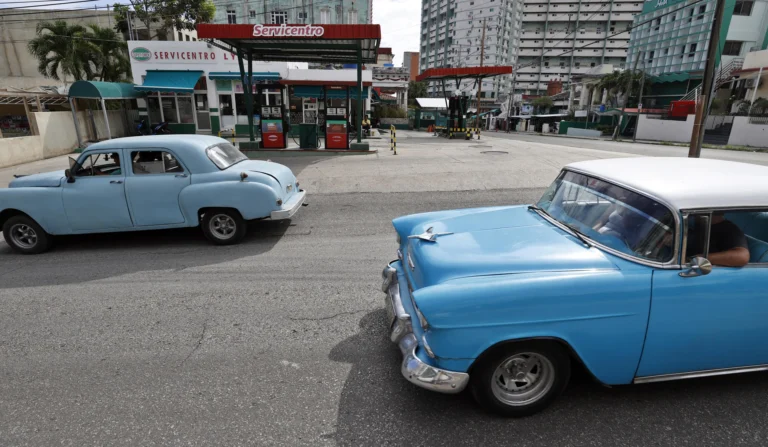
Photo: EFE.
May 16, 2026 Hour: 3:21 am
🔗 Comparte este artículo
Cuba’s Ministry of Transport announced Friday a series of optimization measures for passenger and cargo services, restructuring bus routes, train schedules, and ferry allocations to prioritize essential travel and maximize the use of limited fuel resources amid the ongoing energy adjustment period.
Minister Eduardo Rodríguez Dávila explained at a press conference that the reorganized system focuses on guaranteeing transport for fuels, food, medicines, exports, and essential raw materials, while maintaining differentiated support for Public Health and Education. The measures, he said, are designed to counter the impacts of the energy siege by making the most efficient use of available resources.
RELATED: Cuba Rejects U.S. Blockade and Military Threat at BRICS Meeting
Under this scheme, bus routes between Havana and provincial capitals will operate three times weekly, while services to the eastern cities of Manzanillo and Baracoa will run once per week. National train services will maintain current schedules until mid-June, then shift to biweekly departures to the eastern provinces of Santiago de Cuba, Guantánamo, Holguín, and Granma.
Provincial authorities will prioritize urban, suburban, rural, and intermunicipal routes deemed essential, based on local fuel availability. All train, bus, and national ferry capacities will be placed under territorial authority control, with a new allocation system that prioritizes travel for extreme necessity through government-managed lists.
The optimization follows a U.S. oil blockade that has prevented Cuba from receiving crude imports for five months. Washington has pressured Havana to implement political and economic reforms, but Cuba has refused, citing national sovereignty. The UN has called the oil blockade contrary to international law.
Author: Victor Miranda
Source: agencies