







Cuba Introduces New Banknotes and Advances the Comprehensive Transformation of Its Banking System
The Central Bank of Cuba is introducing 10,000 and 20,000 Cuban peso banknotes into circulation and driving a comprehensive restructuring of the financial system to modernize services, expand credit, and strengthen the Cuban market.
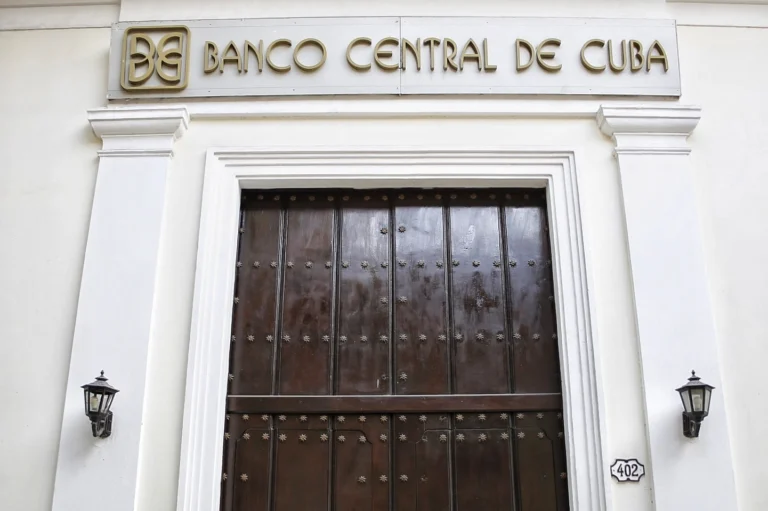
The National Bank of Cuba puts new high-denomination banknotes into circulation. Photo: BNC
September 16, 2026 Hour: 12:12 pm
🔗 Comparte este artículo
The Central Bank of Cuba (BCC) announced that two new banknote denominations—10,000 and 20,000 Cuban pesos (CUP)—will enter circulation starting this Wednesday. This measure is part of a broader strategy to meet current cash demand, reduce logistical costs, and increase financial operational efficiency amidst an inflationary environment.
RELATED:
Cuban Deputy Foreign Minister Warns Washington’s Economic Pressure Won’t Break Sovereignty
The new issuance, which begins in Havana and will gradually extend across the entire country, is part of a structural transformation process within the Cuban banking and financial system aimed at restoring the functionality of the national currency and modernizing services for citizens.
The new banknotes maintain the visual design established last March with the 2,000 and 5,000 CUP notes, featuring the likenesses of prominent heroines from Cuban history at their center.
The 10,000-peso note features a color scheme dominated by gray and green, displaying the image of revolutionary fighter Haydée Santamaría Cuadrado. Its reverse side depicts the *Casa de las Américas*, an emblematic institution for Latin American literary engagement.
Meanwhile, the 20,000-peso note is distinguished by yellow and brown tones and pays tribute to Vilma Espín Guillois—the longtime President of the Federation of Cuban Women—who is shown on the reverse side engaging in a friendly exchange with members of the federation.
Both banknotes are printed on security banknote paper measuring 150 x 70 mm, produced in accordance with international standards. Its security features include a watermark bearing the patriot’s effigy and an electrotype of the denomination, a vertical security thread with a motion effect displaying the acronym BCC, and an iridescent image of Cuba’s national flower, the “Mariposa.” Additionally, the notes incorporate tactile raised-print elements and accessibility features for the visually impaired in the upper right corner.
The BCC clarified that the introduction of high-value denominations does not entail changes to or the replacement of the current currency lineup, reaffirming the continued validity of all banknote denominations already in circulation.
The text reads, “Today at 7:00 p.m., the Minister-President of the Central Bank of Cuba, Juana Lilia Delgado Portal, will appear alongside other executives and specialists on the Mesa Redonda program to provide information on government transformations related to the banking sector.”
Four fronts for banking system transformation
The introduction of the new banknotes coincides with the progress of planned transformations for the banking system, which are grouped under the eleventh thematic area of the country’s economic reforms. Juana Lilia Delgado Portal, Minister-President of the BCC, explained that these measures aim to restore the functionality of banking institutions and strengthen confidence in the system. To this end, four strategic fronts have been defined.
The first front addresses the opening and capitalization of the banking system, allowing for the entry of new participants, including private, foreign, and domestic capital. As part of this effort, the creation of the Agricultural Development and Promotion Bank—an institution specializing in financing food production—is in its final stages.
The second front focuses on credit, savings, and financing. The financial authority is working on a new interest rate management mechanism—described as more market-oriented and less administrative—that will grant commercial banks greater autonomy to compete for public deposits. At the same time, new types of collateral are being evaluated to facilitate access to credit, and financial education is being promoted as a cornerstone for effective interaction with the system.
The third front prioritizes innovation, payments, and new service channels. Digital transformation is central to this process, aiming to reduce the need for in-person branch visits through the development of digital products, the regulation of fintech entities, and the updating of the legal framework for cryptocurrency use—including projects involving artificial intelligence.
The fourth front encompasses the foreign exchange market and remittances, seeking to create secure mechanisms to channel flows that currently operate outside the banking system, thereby strengthening the convertibility of the national currency.
The text reads, “Please note that priority service is provided for this demographic at bank branches and CADECA locations across the country. Beneficiaries who receive payments via debit card have the option to check their balance without visiting a bank branch by using the Transfermóvil and Enzona platforms.”
Expansion of the foreign exchange network and digital services
As a tangible result of these transformations, the Cuban Exchange Company (Cadeca) has announced the opening of 20 new offices for selling foreign currency to the public across all the country’s provinces. This expansion follows a rigorous analysis of the foreign exchange market’s operational performance and aims to consolidate the financial system as the primary intermediary for foreign currency transactions.
To improve accessibility, the foreign currency sales service at Cadeca can now be managed via the “MiTurno” option in the Transfermóvil app, thereby reducing wait times and congestion at physical branches. This measure aligns with the BCC’s goal of offering more agile remittance solutions, including the development of a digital platform for foreign currency auctions, which will be rolled out gradually through pilot projects.
Alberto Javier Quiñones Betancourt, Vice President of the BCC, emphasized that these four areas are highly integrated and cannot be analyzed in isolation. The overarching strategy aims to build a modern, specialized, and well-capitalized banking system capable of supporting the Cuban economy’s transformation.
Restoring the Cuban peso’s functions as a medium of exchange, unit of account, and store of value remains a central objective, closely linked to the country’s ongoing efforts to restore macroeconomic balance.
Author: HGV/JF
Source: Banco Central de Cuba