







Cuba Inaugurates Solar Park in Guantanamo
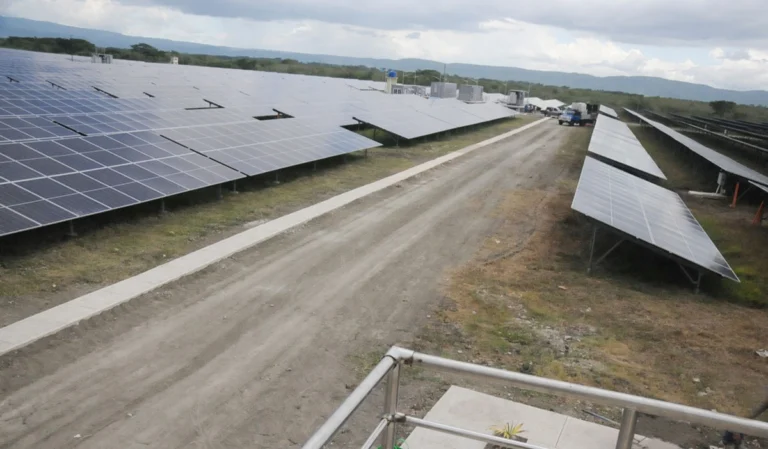
El Algarrobo Solar Park in Guantanamo. X/@leonelef1.
September 8, 2026 Hour: 3:24 pm
🔗 Comparte este artículo
The project is part of the national plan to reach approximately 2 GW of solar power by 2028.
On Monday, Cuba inaugurated the El Algarrobo photovoltaic solar park in Guantanamo, with an installed capacity of 21,875 MWp, connected to the National Electric System (SEN).
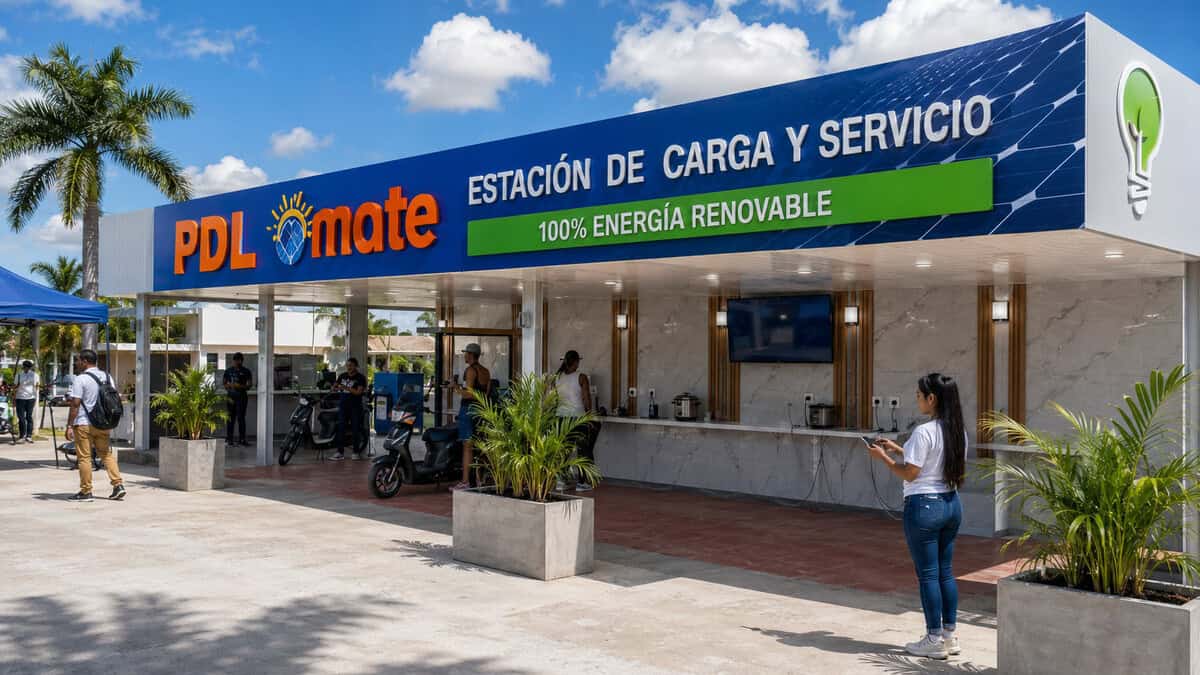
RELATED: Cuba Opens Ultra-Fast Solar Charging Station for Electric Vehicles
The project was completed in 18 months by Brigade 3 of the Ministry of Construction (Micons), with an investment of approximately US$58 million. The electricity generated is destined directly for the province of Guantanamo.
The project is part of the national plan to reach approximately 2 GW of solar power by 2028. El Algarrobo is the first park whose synchronization with the SEN was carried out entirely by Cuban technicians, following the unexpected departure of the Chinese specialists.
The commissioning process took about a month to synchronize the first inverter. The plant has seven inverters, and the technicians made successive software adjustments until achieving a stable connection with the national electricity grid.
The text reads, “How does solar energy help alleviate the fuel shortage in Cuba?
Near a beach in the Habana del Este municipality, there is a solar charging station that serves to recharge electric vehicles.”
The project is part of Project B, a cooperation program with China to incorporate approximately 1,000 MW of photovoltaic capacity. El Algarrobo was identified as site number 37 of the 46 planned within this scheme.
In March 2024, it was reported that the first phase would include 55 plants of approximately 21.8 MW each, such as the one at the School of Nursing in Havana, inaugurated in 2025.
According to official data, by March 2026, Cuba had completed the construction of 52 solar parks, contributing more than 1,000 MW and covering up to 38% of daytime electricity demand during peak solar generation.
teleSUR: JP
Source: PV Magazine