







Cuba Hosts Patria Colloquium On Global Media Power
The Patria Colloquium in Havana gathers international actors to debate media power, AI and communication from a Global South perspective.
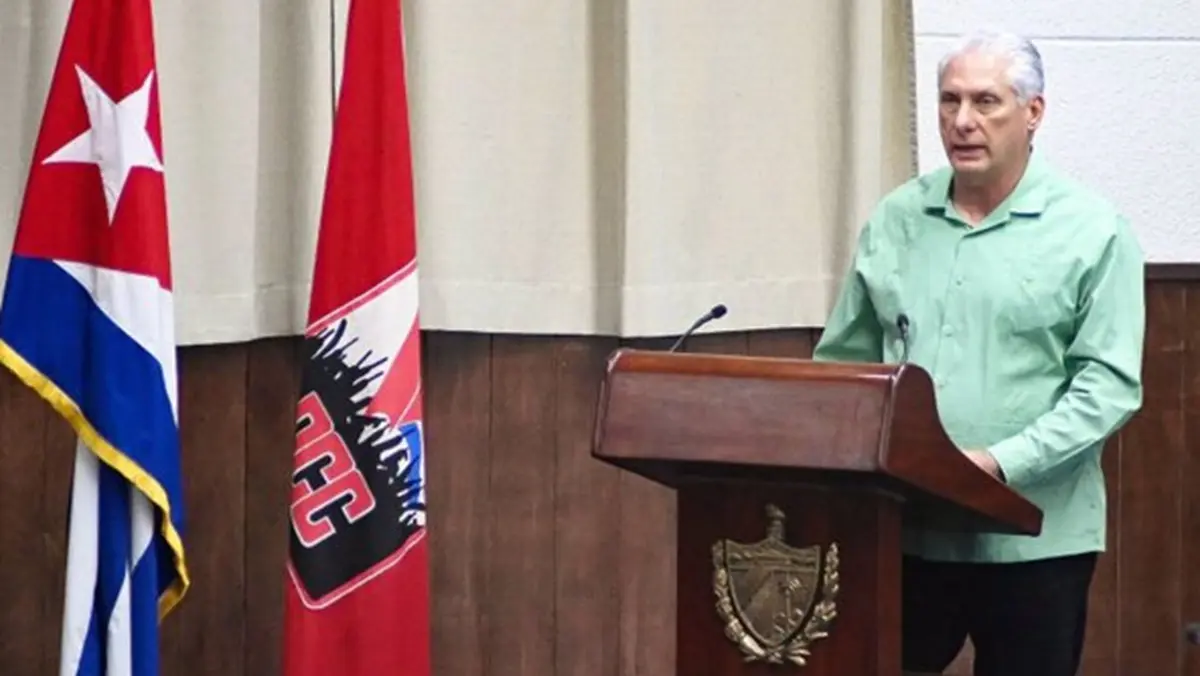
The Patria colloquium opens its fifth edition. Photo: Coloquio Patria
April 16, 2026 Hour: 5:32 am
🔗 Comparte este artículo
Patria: International participants examine digital communication as a political, cultural and ethical field
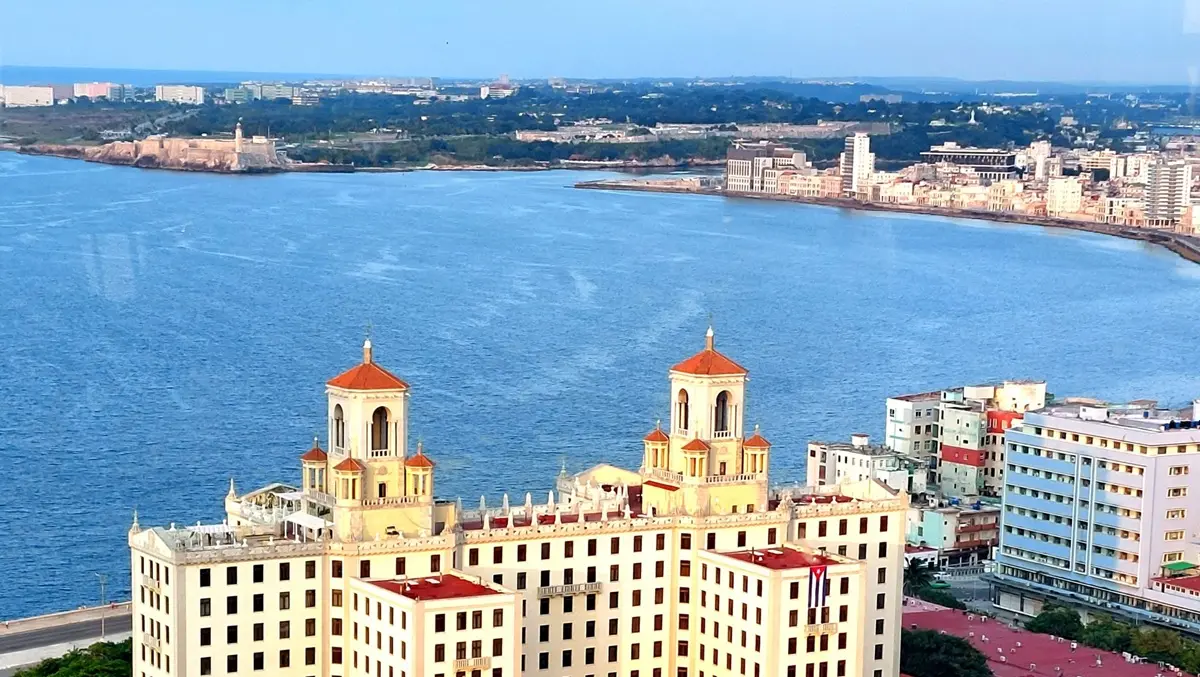
The Fifth International Patria Colloquium opened Thursday in Havana, convening academics, researchers, activists and media representatives from Cuba and abroad to address the role of digital communication in the current global context.
Participants from outlets including Al Mayadeen, Prensa Latina, teleSUR and Russia Today are attending the three-day event, which runs through Saturday. Organized by the Union of Journalists of Cuba, Casa de las Américas and the Cuban chapter of the Network of Networks in Defense of Humanity, the forum focuses on communication beyond its technological dimension.
Organizers stressed the need to sustain spaces that approach communication “not only as technology, but as a political, cultural and ethical field.” The meeting takes place amid what they describe as a global landscape shaped by cognitive disputes, concentration of platforms, algorithmic automation and information warfare, alongside geopolitical tensions and challenges to international law.
Text Reads: The fifth edition of the Patria International Colloquium will open next Thursday, April 16, in Havana, Cuba.
🔴 But what exactly is “Patria”? According to its organizers and many of the participants who have attended previous editions, Patria is an international colloquium held in Havana, Cuba, where communicators, artists, activists, and people come together to defend the truth, challenge the prevailing narrative in the digital realm, and build sovereignty through dialogue and resistance.
This edition coincides with the centenary of Fidel Castro’s birth. According to the organizers, the tribute “will not be commemorative in a ritual sense, but programmatic: updating his legacy in the field of digital communication, narrative disputes and the construction of cultural hegemony in the 21st century.”
Over four previous editions, the Patria Colloquium has developed as a space for debate and coordination among communication initiatives seeking a more inclusive global information order, with a focus on amplifying voices from the Global South. In a March press conference in Havana, Union of Journalists of Cuba president Ricardo Ronquillo described the event as “a space for dialogue, resistance and feedback among allies.”
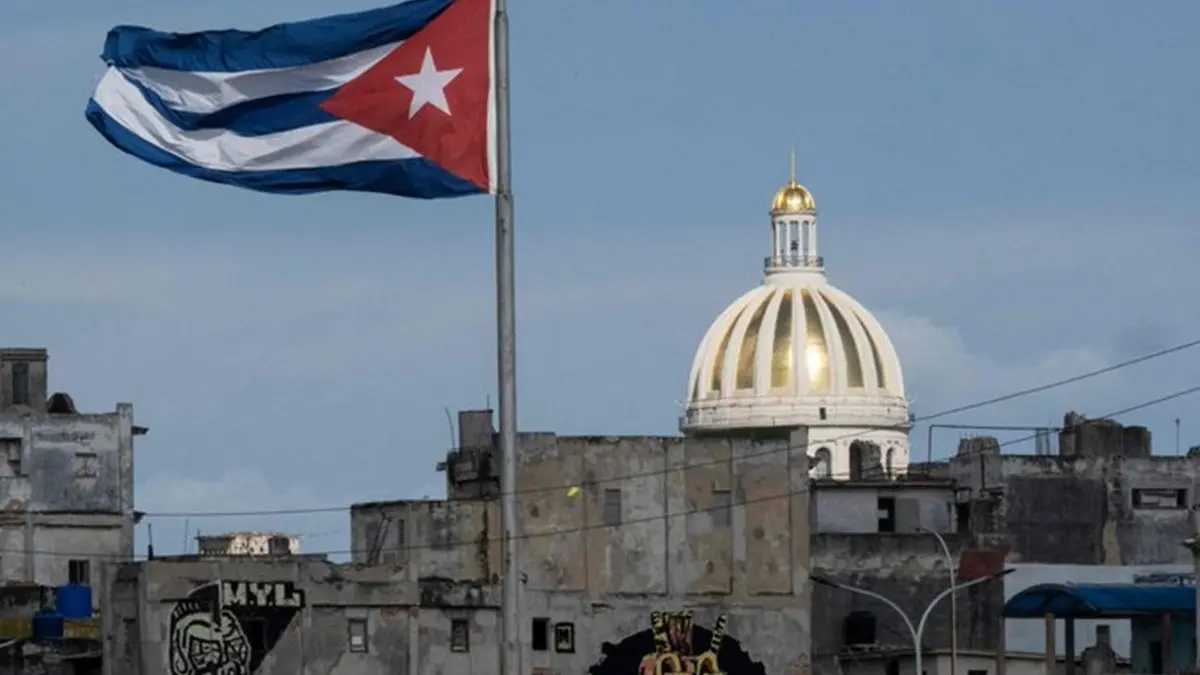
Ronquillo also pointed to the level of international participation as evidence that Cuba “is not isolated,” noting the response to the call despite limited preparation time. The event is being self-financed, with international participants covering their own travel and accommodation costs in a context marked by the effects of U.S. sanctions on the island.
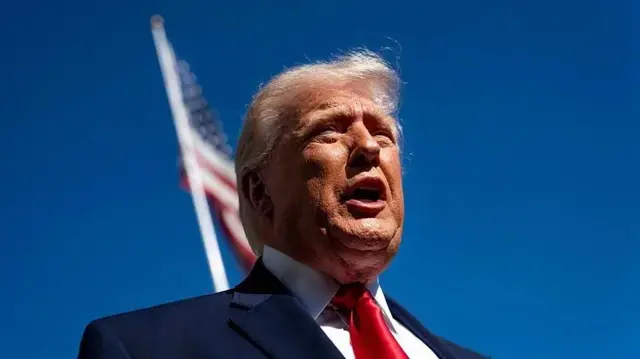
Text Reads: Havana hosts the Fifth International Patria Colloquium, a forum for debate on counter-hegemonic digital communication. The event addresses cognitive disputes and media operations within the context of Donald Trump’s agenda.
Sessions are taking place at the Línea and 18 Cultural Station in Havana and include panels, keynote lectures, workshops, book presentations, artistic activities and film screenings. The program also includes the inauguration of the permanent headquarters of the Patria project in the Vedado district.
Artificial intelligence is one of the central topics under discussion. Organizers stated: “We will debate and attempt to build a roadmap to promote a democratic agenda for the use of artificial intelligence. We want to go beyond diagnosis and criticism of transnationals to strengthen collective solutions in the communication of our peoples.” The discussions address both positive and negative practices in AI.
Other themes include digital communication and technological sovereignty, platforms and political power, social media influence, political communication and popular organization, and Global South experiences confronting media dominance.
Text Reads: We’re sharing the program for the 5th International Colloquium “Patria” with you via this QR code. Scan it and join the event.
Organizers also warned that “The agenda of Donald Trump —reactivated in terms of intervention, sanctions, interference and regional subordination— is presented as a high-risk factor: it seeks to reinstall the logic of the ‘backyard,’ legitimize economic punishment as a political instrument and stimulate media and technological operations aimed at fracturing social consensus, destabilizing governments and criminalizing sovereignty.”
They argue that defending an emancipatory model of digital communication requires strengthening capacities for truth, organization and cultural resistance. The colloquium aims to consolidate itself as a platform for international coordination between critical thought, technological innovation and communicational practice, with Cuba positioned as a focal point for global debate from the South.
Author: MK
Source: Coloquio Patria