


Cuba Denounces Effort to Normalize Threat of U.S. Military Aggression
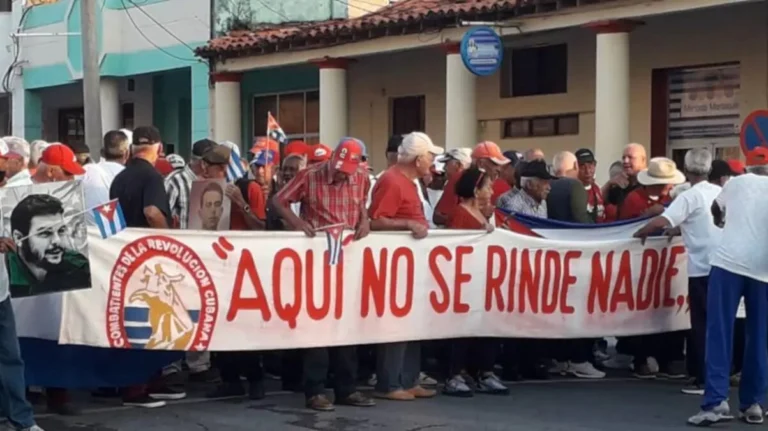
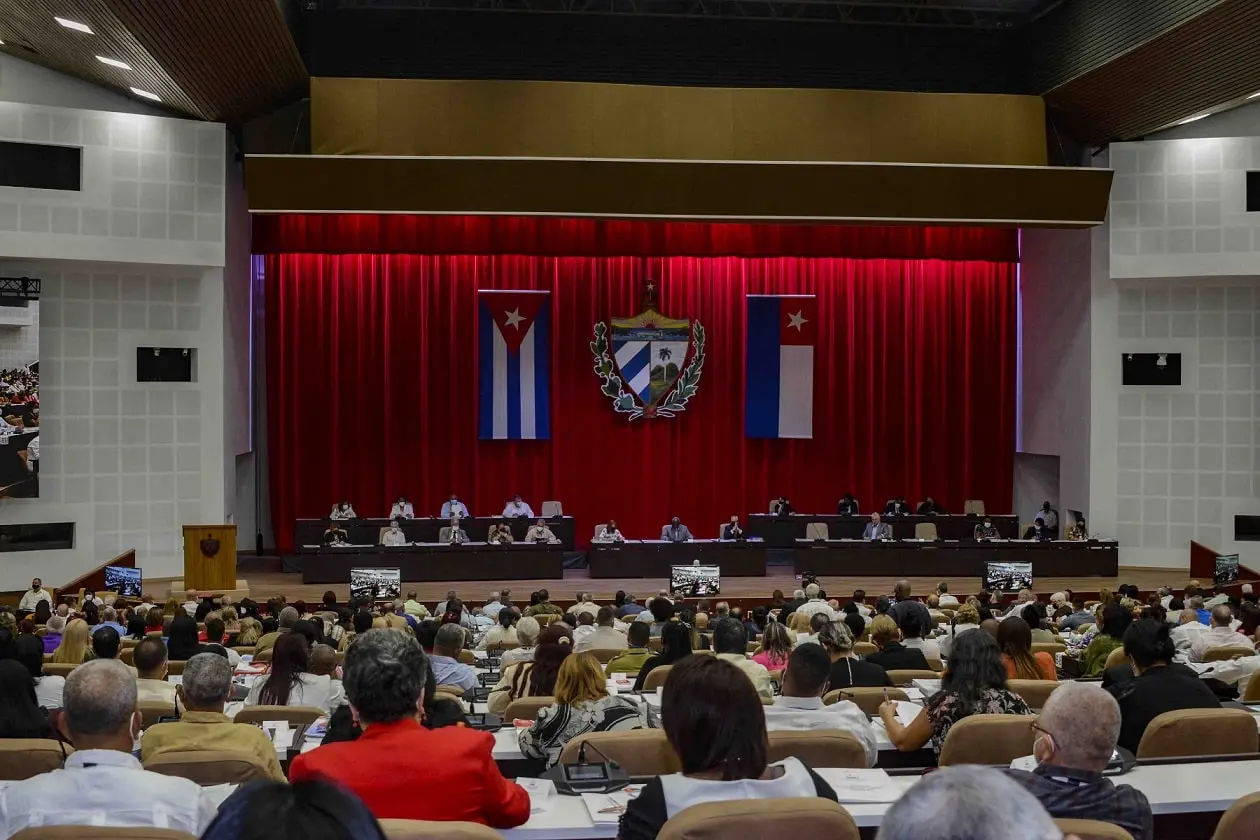
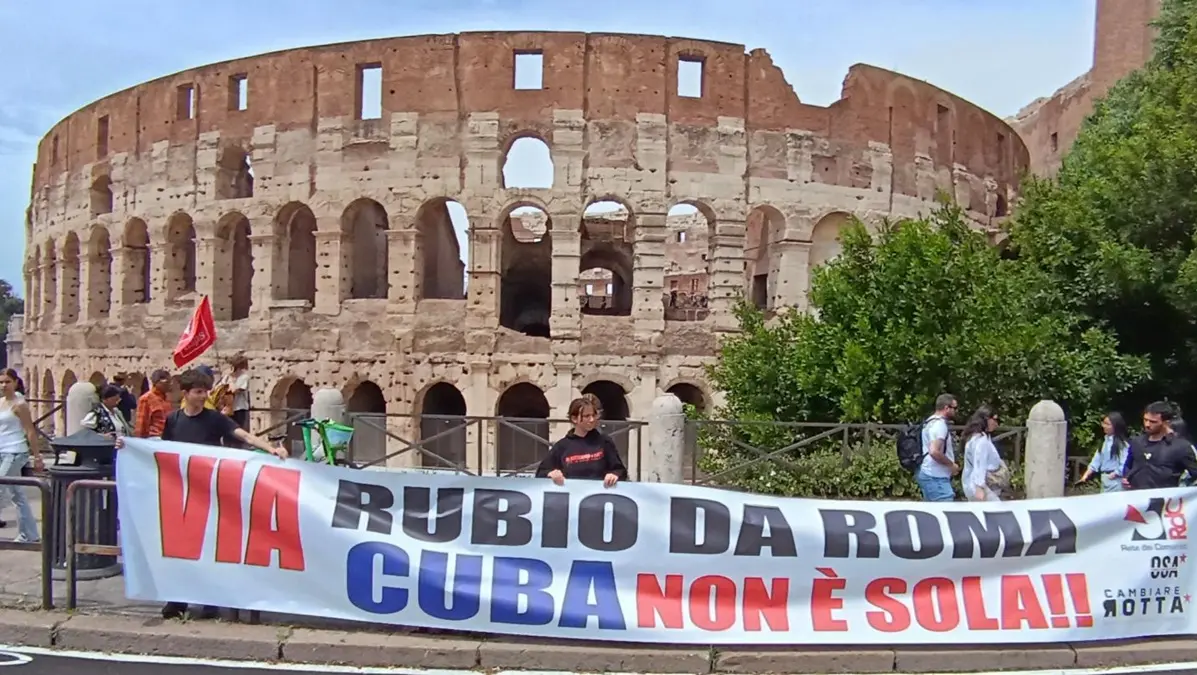
The sign reads, “No one surrenders here!”. Photo: Cubadebate
May 12, 2026 Hour: 12:50 pm
🔗 Comparte este artículo
Although Cuba has few resources, it is committed to guaranteeing free health and education services to the entire population.
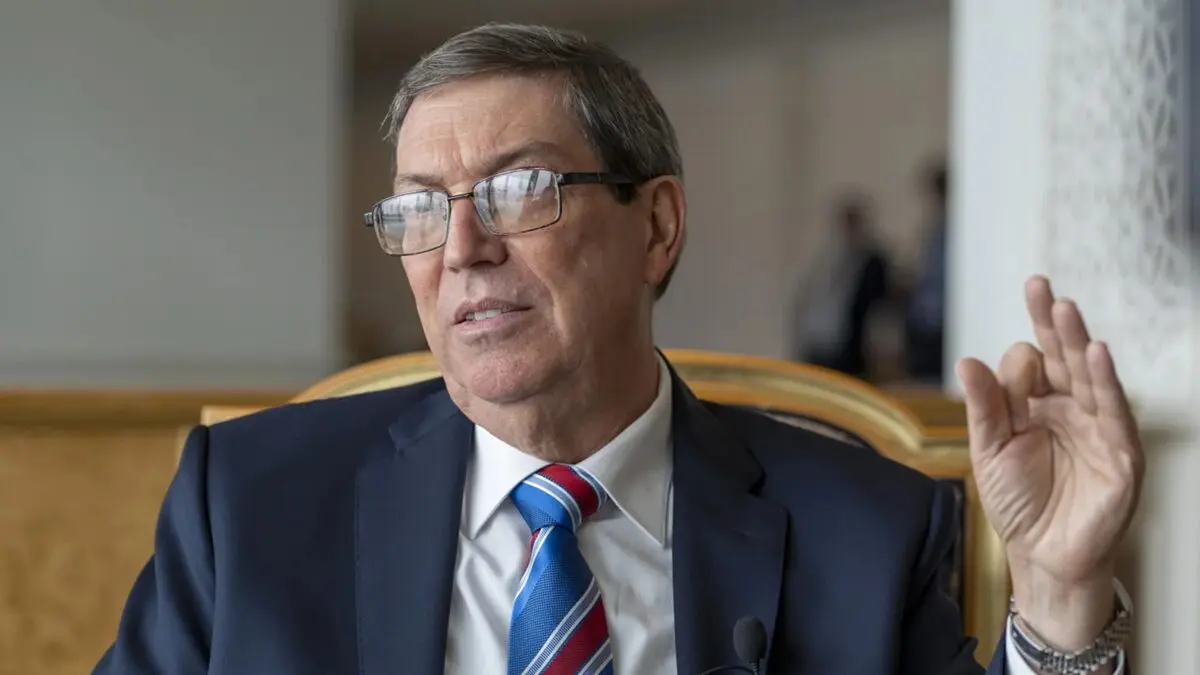
On Saturday, Deputy Foreign Minister Carlos Fernández de Cossío denounced the effort to normalize the threat of military aggression against Cuba by the United States as part of a coldly calculated communications strategy. He warned that this strategy is part of a crime and those who participate in it will be complicit in the bloodbath.
RELATED:
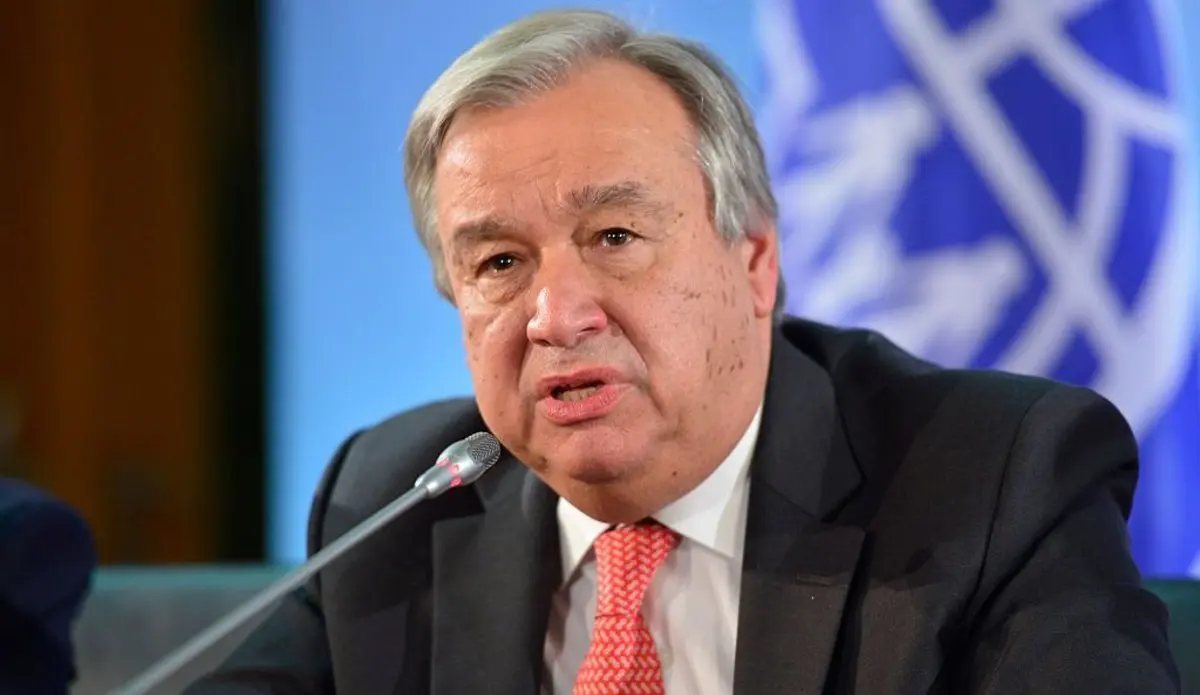
UN Secretary Guterres Rejects Military Solution for Cuba
Previously, the Cuban diplomat responded to statements by U.S. Secretary of State Marco Rubio, who, without any evidence, accused the Havana administration of wasting resources and neglecting social priorities.
Fernández de Cossío pointed out that the objective of these statements is to justify the collective punishment currently being waged against the Cuban people and the possibility of military aggression.
In response to this narrative, the Deputy Foreign Minister detailed the guidelines for state investment, emphasizing that, even under U.S. blockade, Cuba has focused its investment efforts on maintaining the national electricity system, with a significant boost to renewable energy, the modernization of telecommunications, and the expansion of internet access.
Fernández de Cossío stressed that the allocation of funds corresponds to the prerogative of each State to sovereignly decide its internal priorities.
He also mentioned that the prioritization of assistance to vulnerable communities, the increase in national agricultural production, the strengthening of hydraulic infrastructure, and the deployment of water in areas with difficult access.
Regarding health and technology, Fernández de Cossío highlighted the development of medicines and the creation of vaccines against COVID-19 in record time, as well as the adaptation to the significant technological limitations imposed by the blockade.
In the productive sector, investment in tourism was maintained, the assembly of electric vehicles was promoted, infrastructure components were manufactured, and domestic production of construction materials increased.
The vice minister specified that these indicators reflect the dynamics of a developing country with scarce natural resources, committed to guaranteeing free health and education services to the entire population.
In his comparative analysis, Fernández de Cossío contrasted the Cuban model with the U.S. internal reality, noting that the North American country allocates its national resources to favor the plutocratic elite and to finance conflicts on multiple continents.