







Cuba and Spain Strengthen University Alliance
The University of Camagüey and the University of Seville strengthen their academic cooperation through a project to address population aging in Cuba.
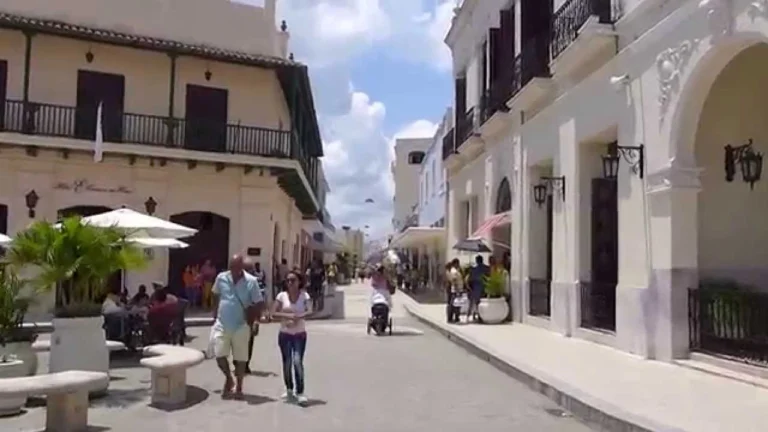
Researchers from Cuba and Spain are collaborating in the historic center of Camagüey to adapt heritage spaces for people with cognitive impairment. Photo PL
August 19, 2026 Hour: 3:37 pm
🔗 Comparte este artículo
On Wednesday, the University of Camagüey Ignacio Agramonte Loynaz (UC) and the University of Seville solidified a strategic alliance to develop joint research on population aging. This binational cooperation, finalized in August 2025, will generate tangible results that directly impact public health and heritage preservation in Cuba.
This initiative reflects the commitment of the UC’s International Relations Office to strengthen global ties that positively impact the institution’s scientific and social agenda.
RELATED:
Cuban Diaspora Meeting: 18th European Gathering Set for France
The International Project is titled “Cognitive Aging and Health in the World Heritage Zone of Camagüey (Cuba): Diagnosis, Characterization, and Mapping of Buildings with Potential for Healthcare Facilities for a Vulnerable Population within the Historic Center.” The study addresses the relationship between architecture and health, applies research to social well-being, and promotes healthy aging.
The initiative is a collaborative effort between the International University of Andalusia, the Office of the Historian of the City of Camagüey (OHCC), and the University of Medical Sciences. Students, researchers, and professionals in heritage and neuropsychology are participating in the endeavor to consolidate an international academic network focused on health, architecture, and urban sustainability.
Over 45 days, meetings were held with the target population, along with postgraduate and summer courses, a diploma program, and an international conference. Among the results is the publication of the book “Diagnosis, Characterization, and Mapping of Buildings for People with Cognitive Impairment in the World Heritage Zone of Camagüey, Cuba.”
The text reads, “Cuba is the most aged country in Latin America: over 25% of its population is 60 years of age or older. Integrating ourselves into the region and learning from its experiences is key to our development management. Stay tuned for the 6th Meeting of the Regional Conference on Population and Development.”
Additionally, the Spanish participants donated measuring equipment that will serve as a basis for future research by the OHCC. As a strategic achievement of this collaboration, the construction of the first Day Care Center for Alzheimer’s patients in Cuba is planned, demonstrating how international cooperation drives local development.
The closing ceremony was attended by the Rector of the University of Carabobo (UC), Dr. Julio Madera Quintana, and the Cuban coordinator, Dr. Marisabel Almeida Torrens, who emphasized the human impact and teamwork of the program. Students from Seville highlighted the cultural enrichment they experienced in the city.
The UC is continuing this year with similar programs that address global challenges such as public health, heritage preservation, and technological innovation, aligned with the objectives of Cuba’s National Economic and Social Development Plan. The university, which began its 2025-2026 academic year, maintains its momentum in internationalization with ongoing projects in areas such as cybersecurity, geography, and social work, under a focus on sustainable development and territorial relevance.
The success of this academic exchange reaffirms the commitment of both universities to respond to contemporary demographic challenges through science and solidarity.
Author: HGV/JF
Source: @MES