



Costa Rican Endemic Parrots In Threat
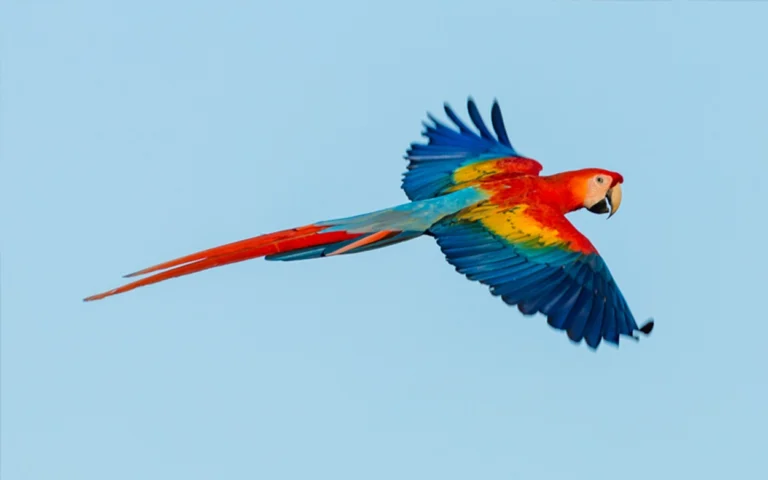
Endemic parrot of Costa Rica. Photo: Pura Vida Univeristy.
October 16, 2025 Hour: 9:08 am
🔗 Comparte este artículo
Protected areas are not enough to conserve local biodiversity.
The Doñana Biological Station, a Spanish scientific institution, published a study in the journal ‘Diversity & Distributions’ showing that parrot populations in Costa Rica are being threatened by ecosystem transformations and illegal pet trade.
RELATED:
More Than 3,000 People Remain in Shelters Due Sara Storm Heavy Rains in Costa Rica
Biology Doctor Jose Luis Tella warned that most endangered species are also the most sought after in illegal trade, and that conservation cannot rely solely on protected areas, as illegal trade remains a threat despite advances in biodiversity policies.
The Doñana Biological Station remarked that richness of species was documented in primary forests and urban areas, and interviews in rural communities revealed illegal parrot ownership in more than 80% of the households and 87% of the municipalities visited, highlighting the magnitude of the problem.
Pedro Romero, a member of the research team, noted that parrot diversity and abundance decrease in agricultural areas, although some species tolerate human environments, as evidenced by the data on pets.
The Doñana Biological Station team, that traveled nearly 2,000 kilometers of roads in Costa Rica, surveying parrots in 949 habitat patches and recording more than 1,200 observations, called for stricter laws and reduction of the demand for wild parrots as pets in Costa Rica.
Jose Luis Tella warned that if not, “even in countries that are pioneers in environmental policies, such as Costa Rica, emblematic species and the ecological services they provide run the risk of disappearing.”
On July 18, Spanish authorities discovered a package containing hundreds of protected bird feathers at Barajas Airport customs. The package contained feathers from species listed in the Convention on International Trade in Endangered Species (CITES), such as macaws, toucans, and birds of paradise, whose trade is restricted.
teleSUR: JP
Source: EFE