







Colombia will suspend electricity supply to Ecuador starting at 6:00 PM this Thursday
Hours before the power outage, the Minister of Commerce, Diana Marcela Morales, also announced the application of a 30% tax on 20 Ecuadorian products.
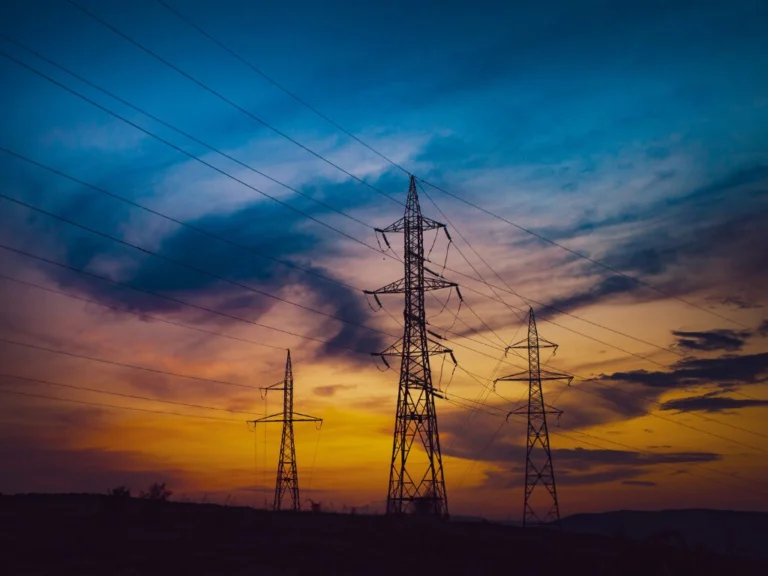
The electrical interconnection between the two countries has a capacity of 400 kilowatts. Photo: Ministry of Mines and Energy
January 22, 2026 Hour: 4:32 pm
🔗 Comparte este artículo
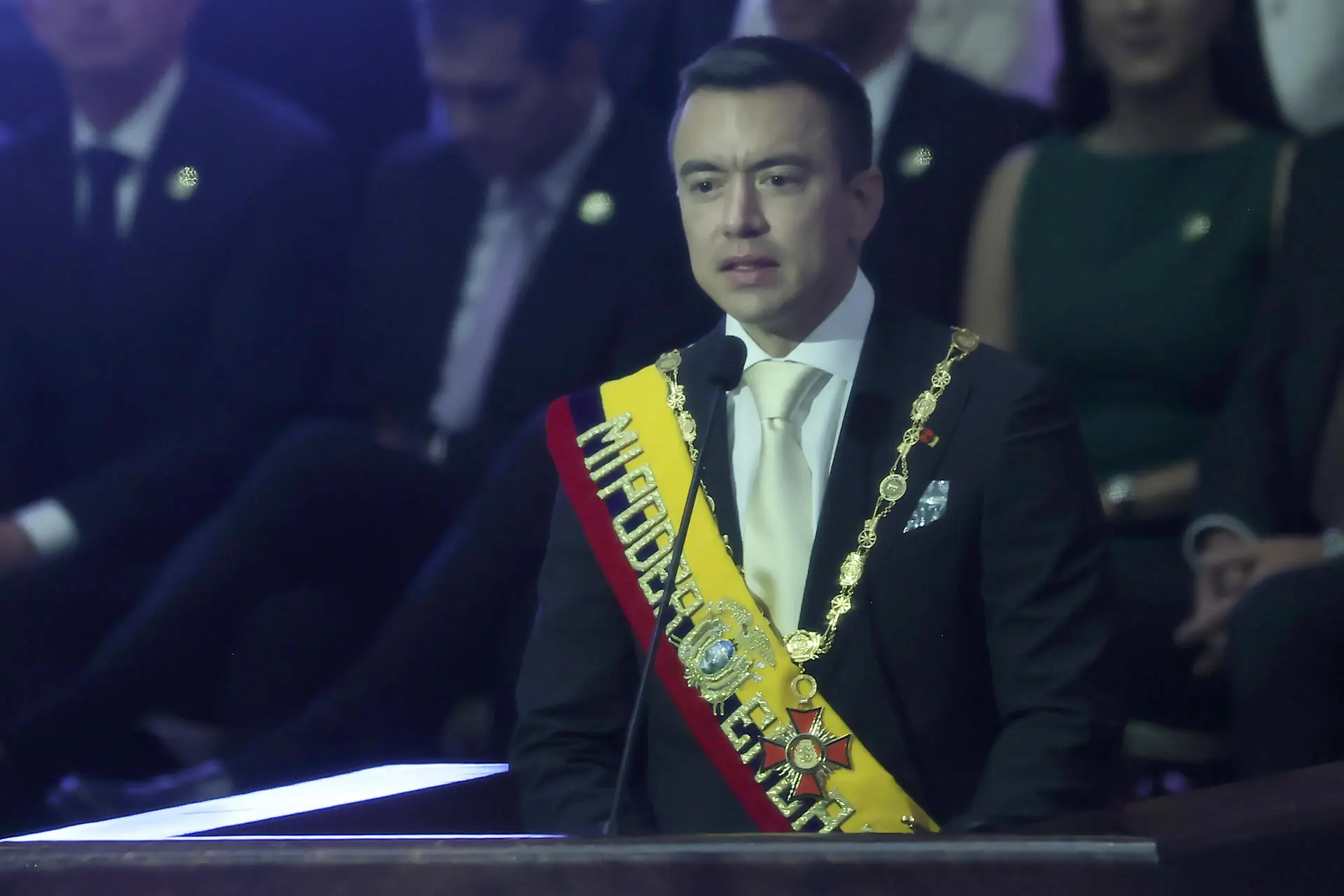
The Colombian government announced this Thursday the suspension of electricity supplies to Ecuador as a reciprocal measure in response to Ecuadorian President Daniel Noboa’s unilateral decision to impose a 30% tariff on Colombian imports starting February 1st. Noboa cited alleged breaches by Bogotá in cooperation against drug trafficking and in security matters.
RELATED:
Colombia Condemns Ecuador’s 30% Tariffs
The Minister of Mines and Energy, Edwin Palma, reported that the measure will take effect at 6:00 PM local time and emphasized that Colombia has historically shown solidarity with the Ecuadorian people, including during the energy crisis that country suffered between 2013 and 2014, when Bogotá doubled its electricity shipments to mitigate daily blackouts.
“The recent decisions by the Noboa administration disregard existing agreements and directly affect the interests of the Colombian people, forcing the State to act in defense of its energy sovereignty,” stated Palma, describing the Ecuadorian measure as an “economic aggression.”
The Ministry of Mines and Energy explained that the suspension of International Electricity Transactions (TIE) aims to guarantee domestic supply in a context marked by climate variability and warnings about a possible El Niño phenomenon.
“The State’s duty is to ensure that Colombian homes, industry, and essential services have access to safe and reliable energy. This is a responsible, preventative, and sovereign decision,” the minister added.
The electrical interconnection between the two countries has a capacity of 400 kilowatts, and its interruption reflects the deterioration of bilateral relations following Noboa’s announcement, in which he justified the tariff by alleging a supposed lack of Colombian cooperation in the fight against drug trafficking.
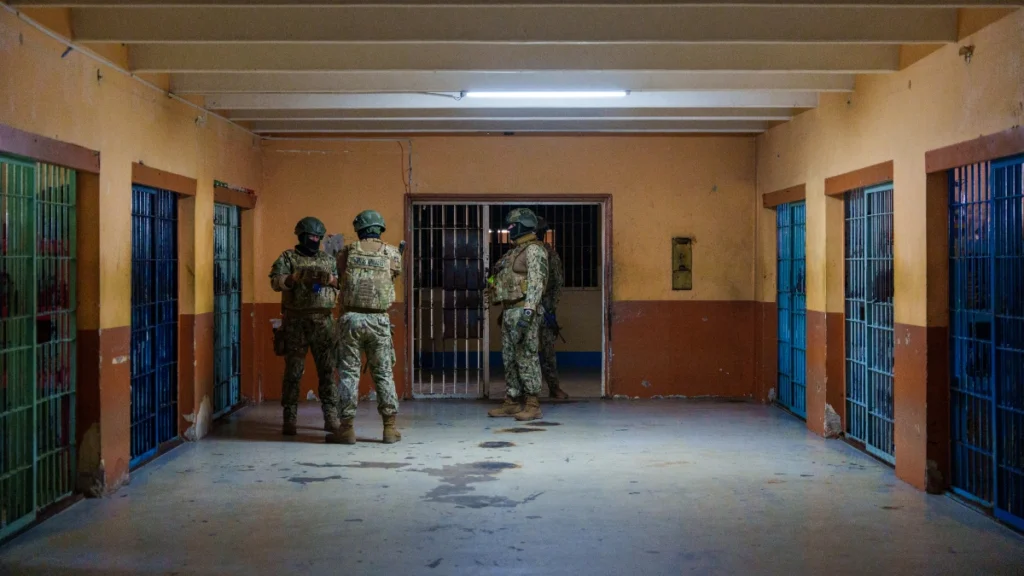
“We have made real efforts to cooperate with Colombia, even with a trade deficit exceeding $1 billion annually. But while we have insisted on dialogue, our military continues to confront drug-related criminal groups on the border without any cooperation,” Noboa wrote on his Twitter account.
However, official Colombian figures contradict this narrative: between 2023 and 2025, cocaine seizures in municipalities bordering Ecuador increased by 36.7%, and Bogotá has trained 3,891 Ecuadorian police officers in anti-drug operations, in addition to conducting joint operations against transnational criminal organizations.
Noboa’s economic aggression.’
The government of Ecuadorian President Daniel Novoa imposed a 30 percent tariff on Colombian goods, threatening regional integration. The measure, which will take effect on February 1, has heightened tensions over trade and energy cooperation.
Colombia’s Energy Minister, Edwin Palma, criticized the tariffs as a unilateral measure that undermines decades of bilateral collaboration.
“We reject the tariff imposed by Ecuador, an economic aggression that breaks the principle of regional integration,” Palma stated, highlighting Colombia’s long-standing energy support, including sustained exports of over 450 MW to Ecuador during the severe hydrological crisis of 2014.