







Colombian Supreme Court Upholds Santiago Uribe’s 28-Year Sentence

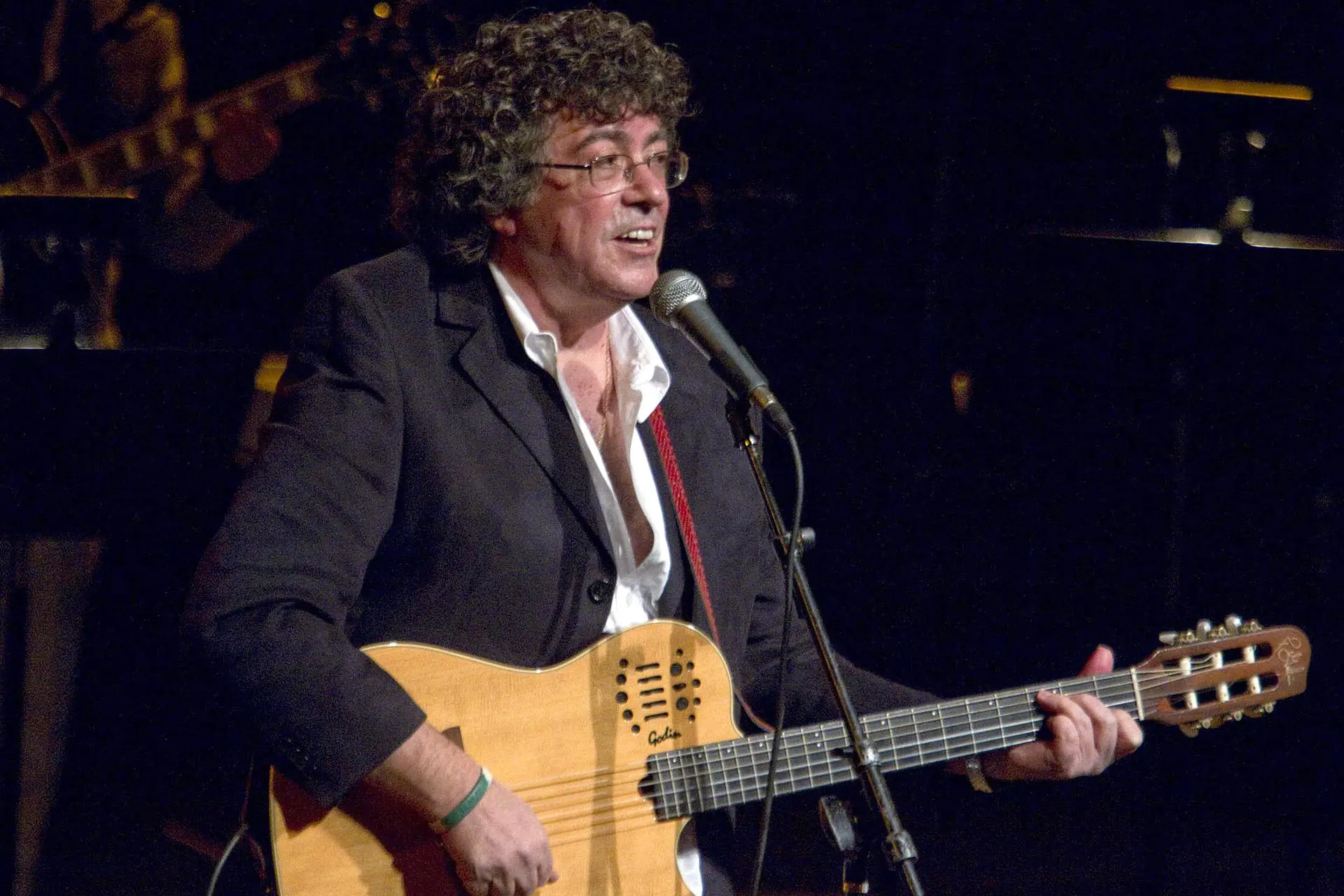
The brother of former president Álvaro Uribe was convicted for the crimes of aggravated homicide and conspiracy to commit crime. Photo: Tendencia Politica.
October 7, 2026 Hour: 8:40 pm
🔗 Comparte este artículo
Colombia’s Supreme Court rejected Santiago Uribe Vélez’s last appeal on Wednesday, October 7, leaving intact the 28-year and three-month prison sentence against the brother of former president Álvaro Uribe and closing every remaining legal avenue to overturn it.
The Criminal Cassation Chamber dismissed a constitutional protection action filed by Uribe Vélez’s lawyers, a constitutional action that alleged violations of his rights to due process, liberty, equality and access to justice throughout the criminal proceedings.
The main purpose of the tutela was to have the court review an earlier decision that had rejected the cassation appeal from the outset. The chamber found that the appeal was not admissible at this stage, because the high court had already ruled on the merits of the special challenge.
RELATED: Brother of Former President Alvaro Uribe Sentenced for Role in Paramilitary Killings in Colombia
In its reasoning, the court said that, reviewing the case within the limits of a constitutional judge, it found no deviation from the legal order and no violation of the higher guarantees invoked by the defense. Uribe is currently serving his sentence at the Juan del Corral Cavalry Battalion in the municipality of Rionegro, Antioquia.
The decision follows an earlier ruling by the same chamber, which upheld the 28-year-and-three-month sentence. That ruling backed what the Superior Court of Antioquia had decided, finding Uribe Vélez guilty of aggravated homicide and conspiracy to commit a crime.
Text reads: “The Supreme Court of Justice denied the guardianship presented by Santiago Uribe Vélez against a decision of the Criminal Chamber of the corporation. In a statement, the high court noted that it found no arbitrariness in the challenged order.”
In Colombia, the tutela is a constitutional protection action available when ordinary remedies have been exhausted or prove ineffective. Established in the country’s 1991 Constitution, the mechanism is often the last resort in criminal cases. For Uribe Vélez, it represented the final procedural door after the Supreme Court declined to revisit the conviction.
The “12 Apostles” Case
According to the case file and investigation, the rancher took an active part in forming the feared paramilitary group known as “Los 12 Apóstoles” (The 12 Apostles), a criminal structure that operated during the 1990s in northern Antioquia. He was also found responsible for the murder of a bus driver in that region.
The case reached the chamber under Justice Gerson Chaverra, who issued the final decisions to provide legal clarity. The proceedings were an institutional priority for the court because of the imminent risk that the crime of conspiracy would expire under the statute of limitations.
To try to overturn the second-instance ruling issued on November 25, 2025, the defense had argued that witnesses lacked credibility, that there was an alleged plot against its client, and that the crime had prescribed. The court rejected those arguments, concluding that the Superior Court of Antioquia had correctly weighed the evidence and testimony identifying Uribe as the leader of the paramilitary group.
Three levels of scrutiny shaped the case, the Antioquia tribunal, the Supreme Court’s ratification, and now the failed tutela. With Wednesday’s rejection, the sentence stands without any further recourse.
The former President’s brother will continue serving his term in the Antioquia battalion, bringing to a close a legal dispute that stretched for years over crimes tied to one of Colombia’s paramilitary structures. His conviction for aggravated homicide and conspiracy to commit crimes is now final and binding.
Author: Laura V. Mor
Source: Agencies