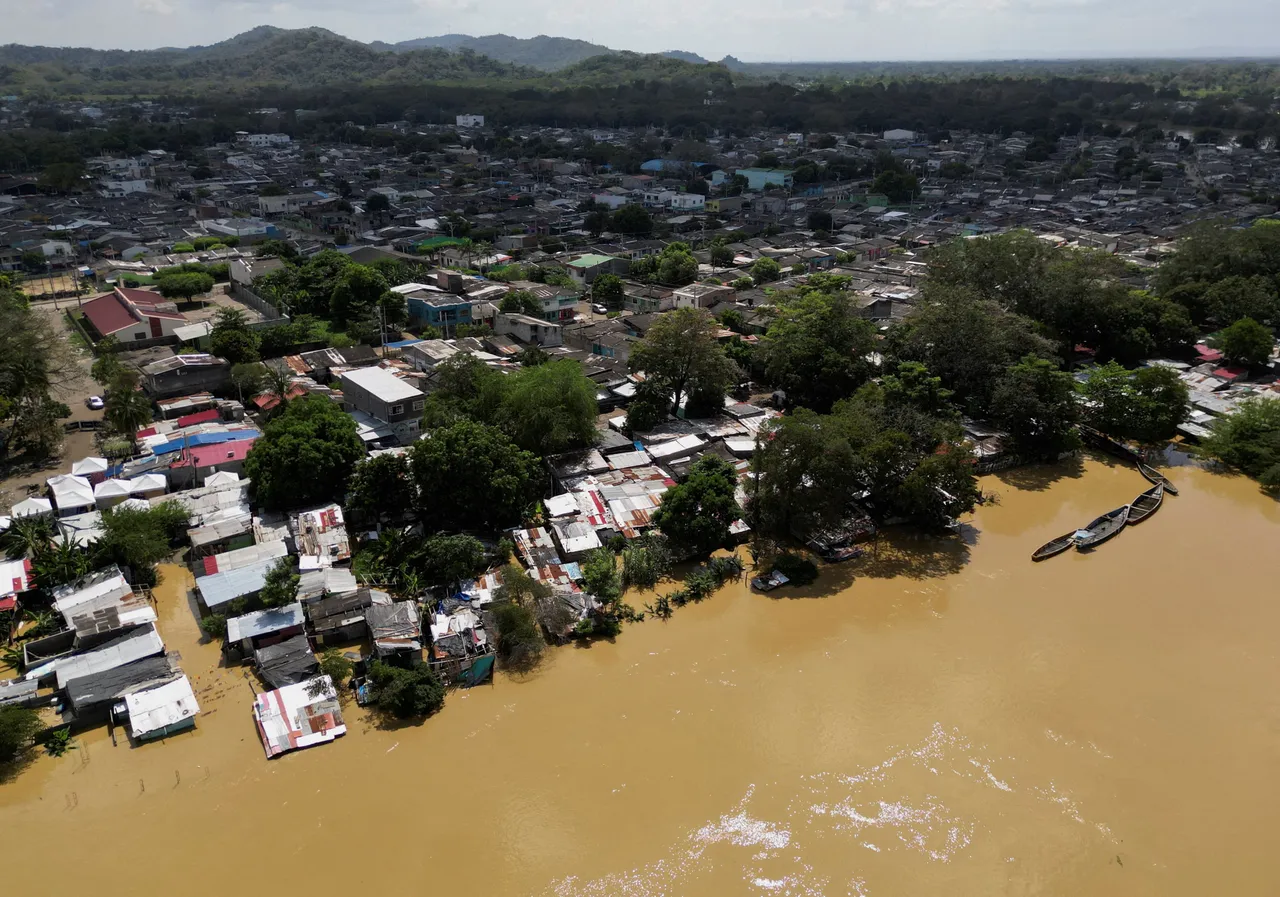



Colombia Prepares for the Arrival of El Niño in the Next Quarter
The Colombian government is warning about the early arrival and high intensity of the El Niño phenomenon, which increases the risk of a water crisis throughout the country.
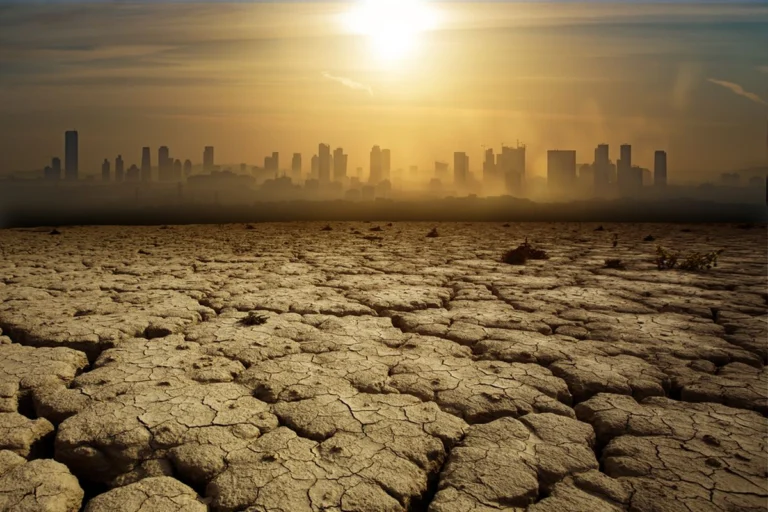
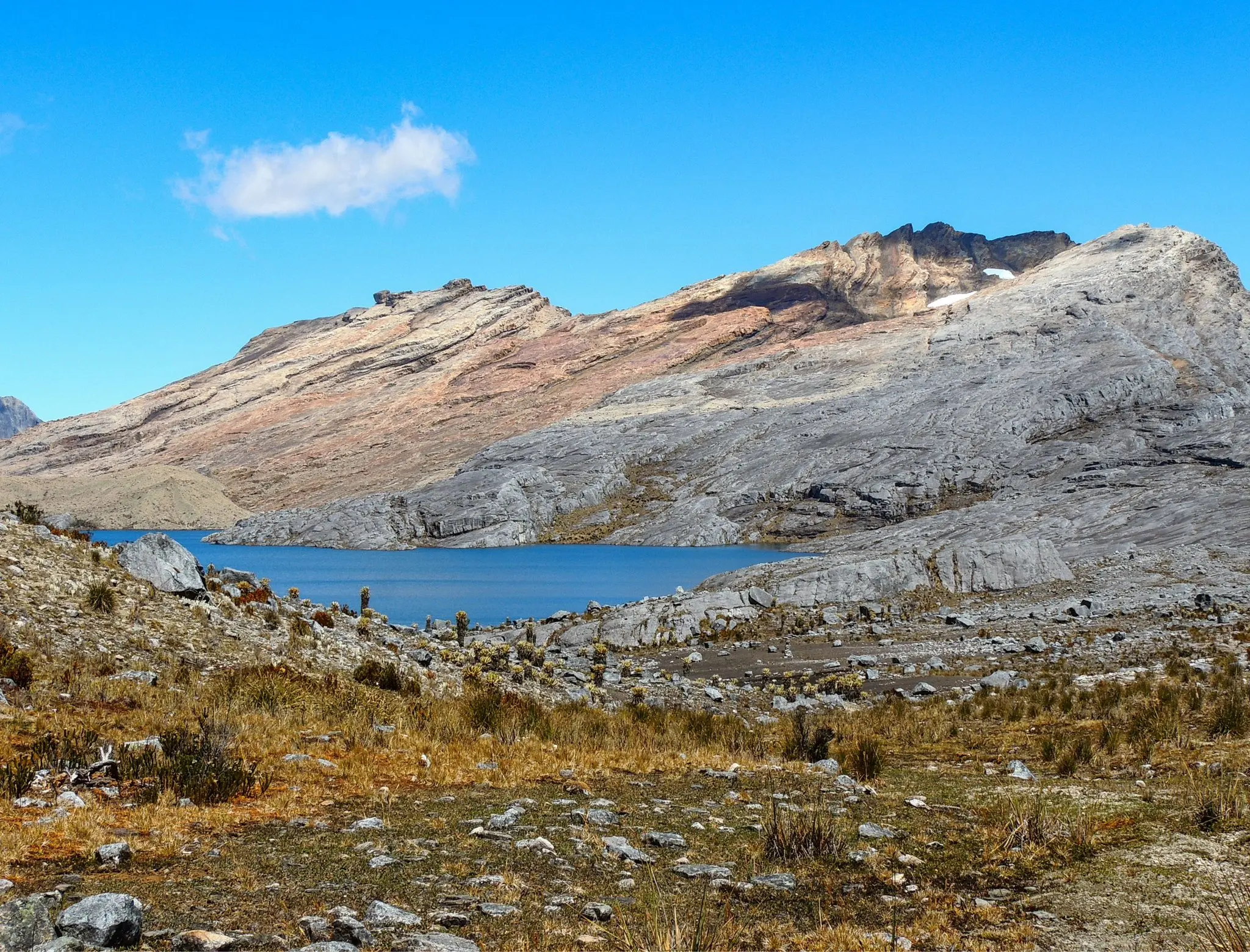
Experts warn of the early arrival of El Niño in Colombia. Photo @larazón.Co
May 15, 2026 Hour: 1:20 pm
🔗 Comparte este artículo
On Friday, the Colombian government warned that the El Niño phenomenon could solidify between May and July with an 82% probability, requiring immediate measures in the face of a possible water shortage and rising temperatures across the country.
RELATED:
Petro Advances Alternative Energies at Colombia’s Global Transition Conference
Environment Minister Irene Vélez reported at a press conference that the probability of this phenomenon solidifying increased from 62% to 82%, with an intensity expected to be between “strong and very strong,” especially in the last months of the year.
“We have an 82% probability that El Niño will solidify between May, June, or July. That probability changed yesterday, and that’s why the alarm is that it could be arriving earlier than expected,” the official stated.
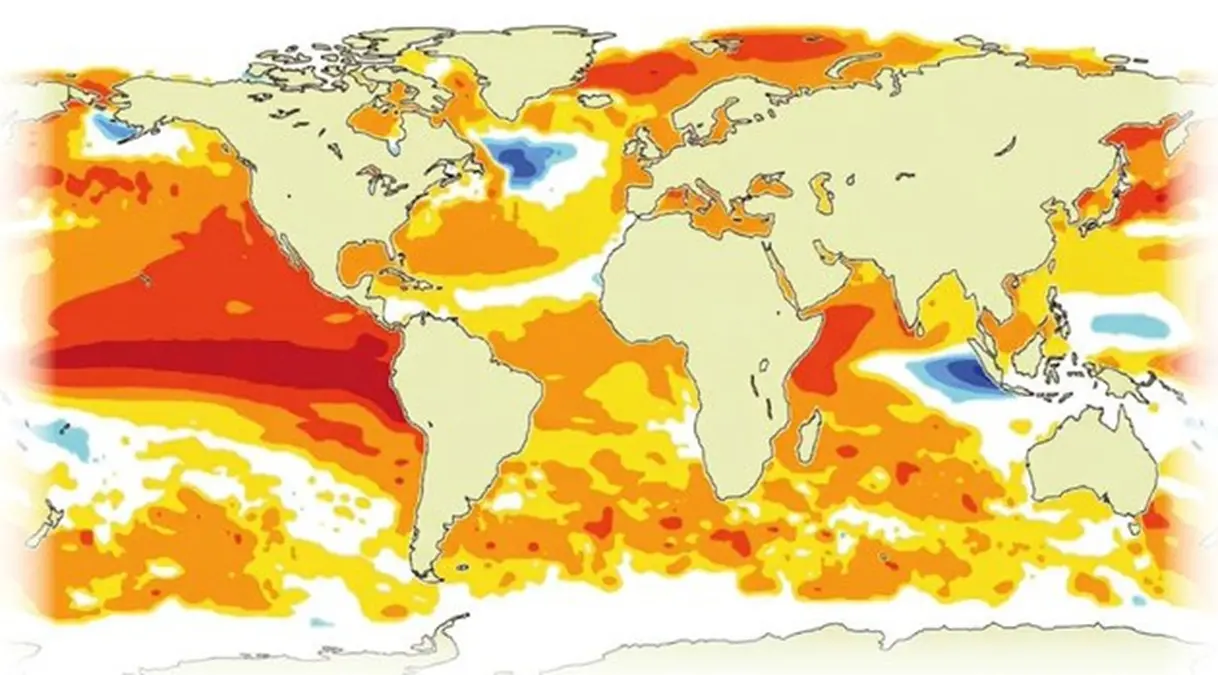
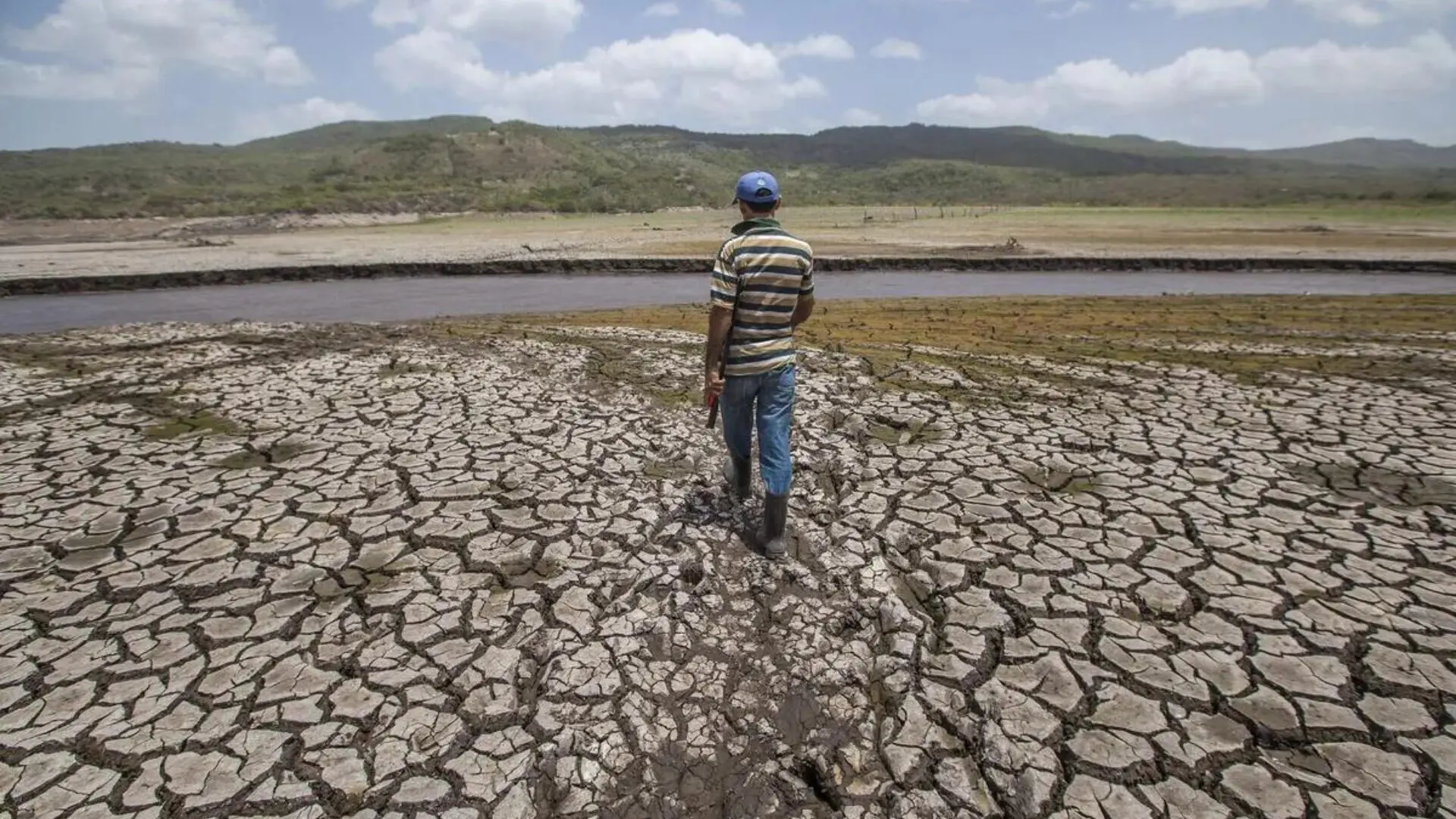
The El Niño phenomenon is characterized by the anomalous warming of the surface waters of the Pacific Ocean, which produces intense droughts and alters weather patterns worldwide.
According to an analysis by the Ministry of the Environment, based on data from 2,700 monitoring stations, the below-normal rainfall recorded in recent months “could favor the eventual development of El Niño in an already deficient context.”
The director of the Institute of Hydrology, Meteorology and Environmental Studies (IDEAM), Ghisliane Echeverri, specified that in recent weeks there have been widespread increases in maximum air temperatures, approaching and even exceeding historical highs, particularly in the Pacific, Caribbean, and Andean regions. As a representative example, Valledupar, the capital of the Cesar department, reached 38.4 degrees Celsius, an anomaly of 4.2 degrees above its historical average.
Significant temperature variations were also observed in the Andean region, especially in valley areas and lower-altitude sectors. Similarly, in regions such as the Pacific and the Orinoquía, persistent temperature increases above 34 degrees Celsius were observed, as officials indicated during the official presentation. Given this scenario, the National Government is calling for strengthened anticipatory and preparedness actions in the face of high temperatures, water scarcity, and forest fires.
Minister Vélez recommended starting to plan water and energy conservation campaigns, fire prevention initiatives, and strategies to avoid impacts on local vegetation and wildlife.
For his part, the director of the National Unit for Disaster Risk Management (UNGRD), Carlos Carrillo, emphasized that local authorities, including both municipalities and departments, are responsible for taking the necessary actions to address this climate emergency.
The alert aims to coordinate a unified institutional response to mitigate the impacts of the weather phenomenon on key sectors such as agriculture, energy, and water supply.
The Institute of Hydrology, Meteorology and Environmental Studies (IDEAM) continues to monitor weather conditions to update projections and provide technical information that allows for evidence-based decision-making.
Author: HGV/JF
Source: @LaRazonCo