







Chinese Specialists Joins to Fight Deadly Ebola Strain in DR Congo
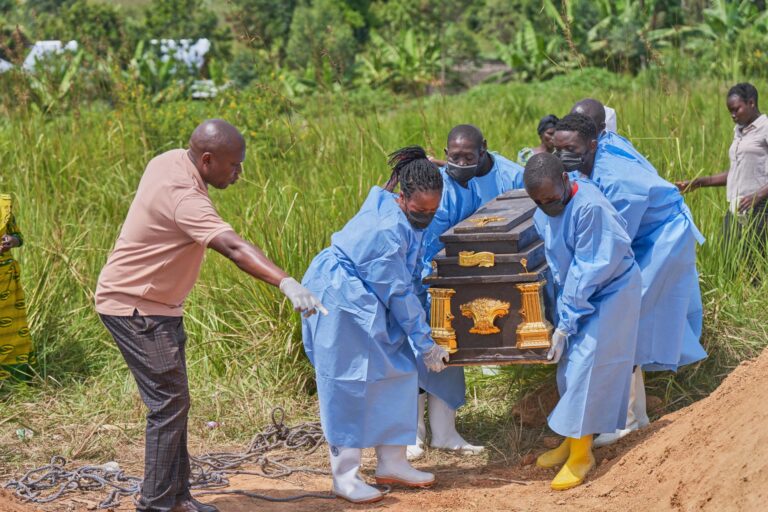
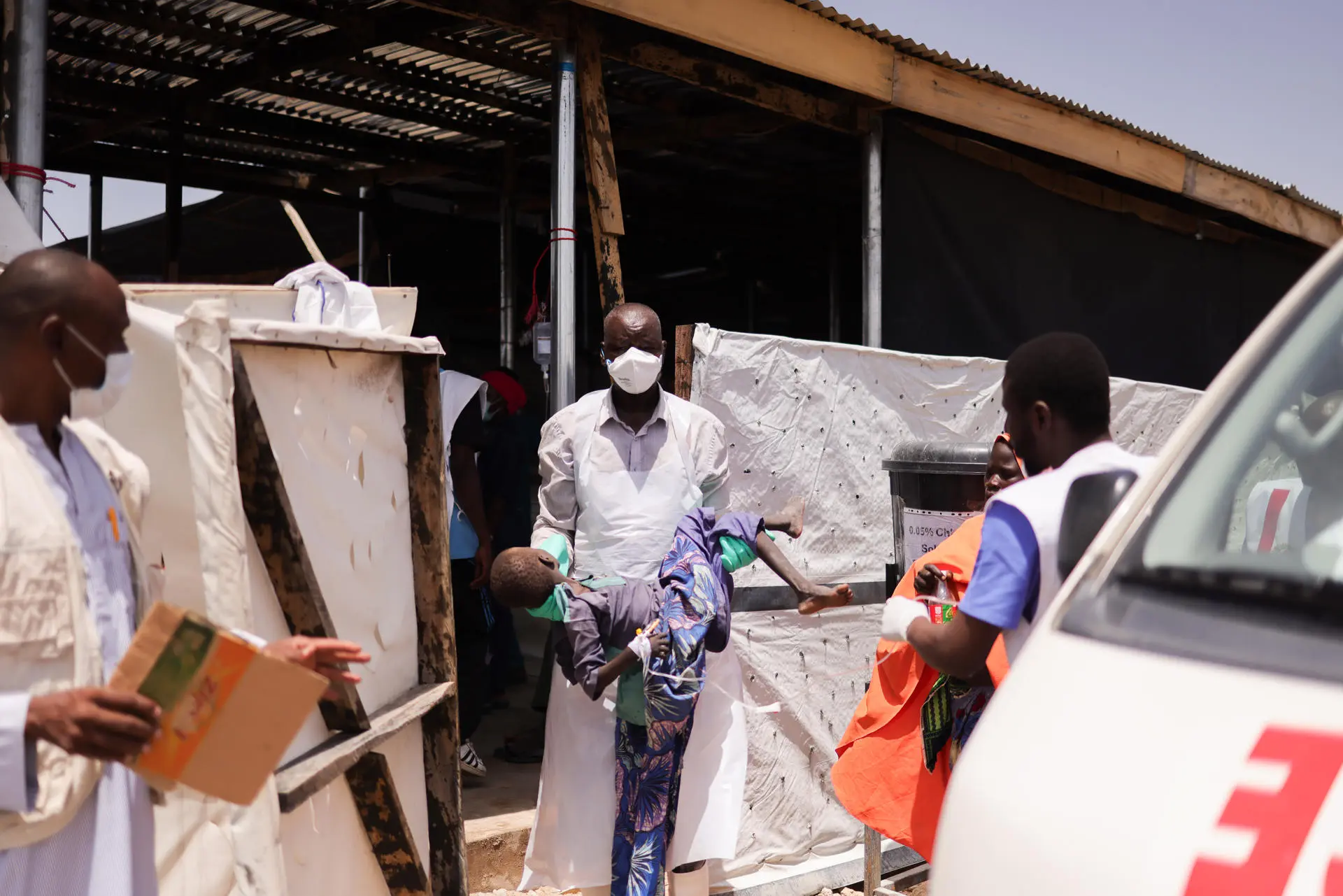
The World Health Organization declared on 17 May that this outbreak constitutes an International Public Health Emergency. Photo: EFE.
June 11, 2026 Hour: 4:12 pm
🔗 Comparte este artículo
A team of medical experts from China arrived this Thursday in the Democratic Republic of Congo to combat a critical Ebola outbreak that has caused 127 deaths in the country’s northeastern region.
The specialized medical brigade from the People’s Republic of China will work on the front lines for a period of three months to support the epidemic response.
The health emergency has already accumulated more than 670 contagions in the northeastern territory, requiring immediate international assistance.
RELATED: 48 New Ebola Cases in 24 Hours as DRC Struggles to Trace Contacts
On Wednesday, the director of the National Institute of Biomedical Research of the DRC, Jean-Jacques Muyembe, met with the Asian delegation to coordinate efforts. Both teams defined urgent priorities, focusing on optimizing laboratory diagnosis speeds, strengthening clinical treatment protocols and reinforcing local health structures to mitigate the impact of the disease.
Dr. Jean-Jacques Muyembe expressed deep gratitude for the deployment of the Chinese specialists, emphasizing their extensive experience in controlling highly infectious diseases. The head of the Chinese mission, Lu Ming, assured that they will work closely with local hospitals and laboratories to stop the virus from spreading to neighboring regions.
No Approved Vaccine
This epidemiological emergency represents a major scientific and medical challenge for both nations because there is currently no approved vaccine or specific therapeutic treatment for this variant. The Ebola virus is transmitted directly through bodily fluids, including blood, saliva, sweat or secretions from infected people or animals.
The lethal pathology triggers a severe hemorrhagic fever, which is characterized by acute symptoms such as severe vomiting, diarrhea and internal bleeding. These physiological complications can rapidly progress to multi-organ failure, explaining the high fatality rates observed in the initial phase of the outbreak.
The epidemic is caused by the Bundibugyo strain, a specific variant of the virus that carries a historical mortality rate between 30% and 50%.
Rising Infection Rates
The Minister of Public Health, Hygiene, and Social Prevention, Roger Kamba, offered a consolidated report on June 11 confirming a total of 676 cumulative cases. This total figure is geographically distributed with 629 cases in Ituri province, 44 cases in North Kivu and three cases in South Kivu.
Minister Roger Kamba notified the detection of 48 new cases of infection in the last 24 hours, warning about the territorial expansion of the disease. The virus has successfully entered three new health zones, which have been identified as Masereka and Vuhovi in North Kivu, and the Kambala area in Ituri.
Because of the gravity of the situation, the World Health Organization declared this epidemic a Public Health Emergency of International Concern on May 17. The global agency evaluates the regional risk level as high for Sub-Saharan Africa, while maintaining a low threat level internationally owing to the localized nature of the current transmissions.
Author: Laura V. Mor
Source: Agencies