







Chile Orders Evacuations as New Storm System Hits
Chile has ordered preventive evacuations and issued red alerts in several regions after a new storm system caused rivers to overflow and intensified flooding. The weather emergency adds to weeks of severe storms that have left 13 people dead and more than 3,000 people affected.
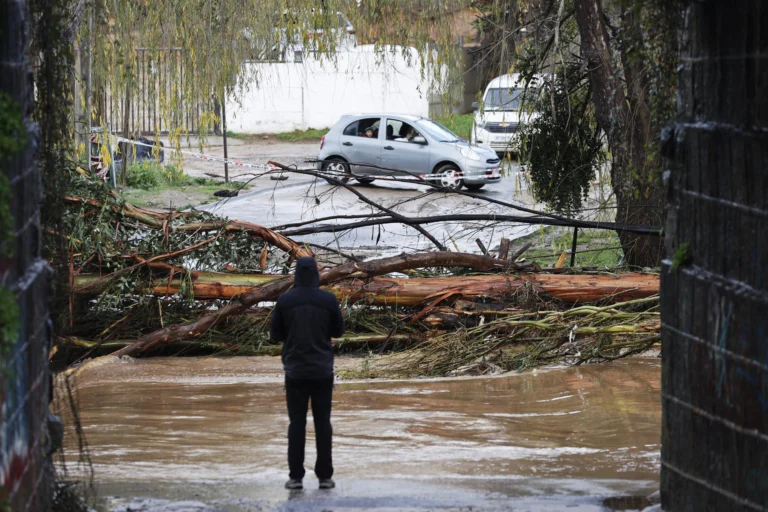
Emergency responders monitor flooding and rising rivers as a new frontal system forces evacuations across several regions of Chile. Photo: EFE
August 1, 2026 Hour: 1:26 am
🔗 Comparte este artículo
New frontal system prompts evacuations and flood alerts as heavy rain compounds weeks of severe weather across Chile.
Chilean authorities ordered preventive evacuations on Friday after a new frontal weather system caused rivers to overflow and water levels to rise across parts of the country’s central and southern regions, prompting emergency alerts in several areas already hit by weeks of severe storms.
RELATED: Venezuela and Chile Begin Roadmap to Normalize Bilateral Relations
The National Disaster Prevention and Response Service (SENAPRED) issued red alerts for the commune of Concepción and other municipalities in the Biobío, La Araucanía, Los Ríos, Ñuble and Coquimbo regions as authorities responded to flooding, swollen rivers, road disruptions and other weather-related emergencies.
According to SENAPRED’s latest report, the current weather system has affected 59 people. Forty-eight are staying in emergency shelters, while 611 remain isolated. In the La Araucanía region, at least 50 families were evacuated from Traiguén after the Traiguén River and nearby wetlands overflowed.
Text Reads: Chilean authorities have ordered preventative evacuations in central-northern and southern regions due to a new frontal system that has caused rivers to overflow and significant flooding, with red alerts in Concepción, Biobío, La Araucanía, Los Ríos, Ñuble, and Coquimbo. This weather event comes on top of an intense storm in recent weeks that has left 13 dead and more than 3,000 affected.
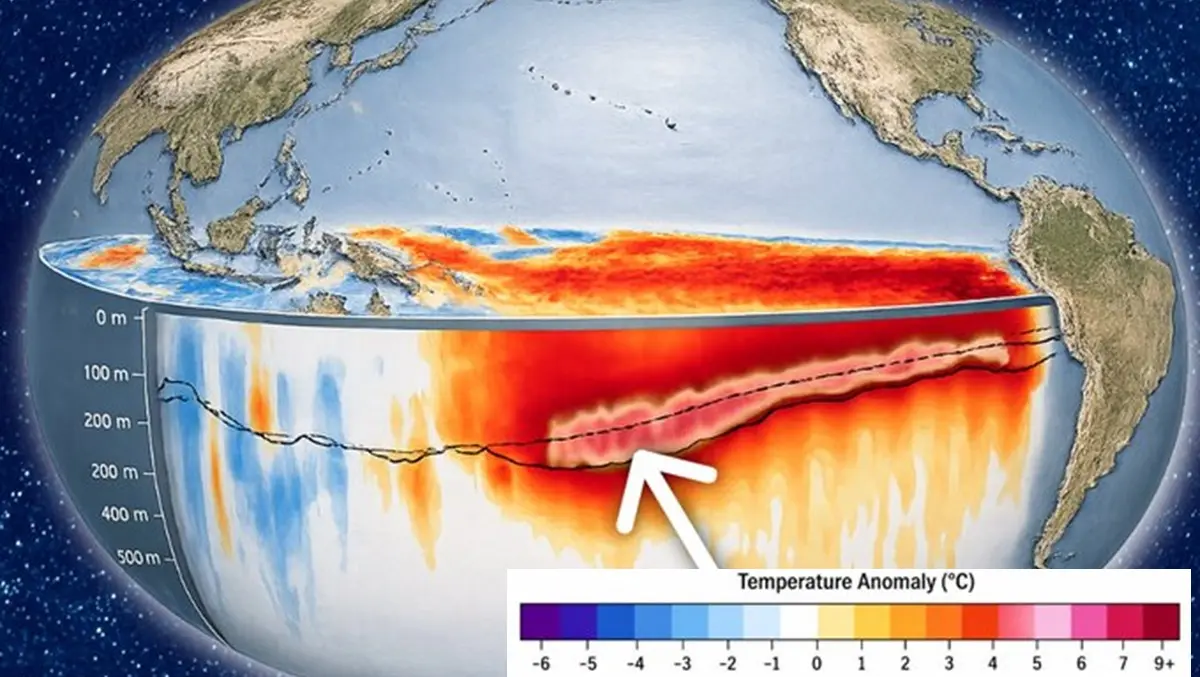
🔴 The situation is critical in Coquimbo, which is under a State of Emergency due to the Catastrophe, where rainfall has exceeded forecasts and nearly 50,000 people in Viña del Mar, Valparaíso, Maule, and the Metropolitan Region are experiencing power outages. The Chilean Meteorological Directorate confirmed that this event is one of the “most significant recorded in recent decades” and predicted above-average rainfall for the next three months, with the El Niño phenomenon expected to continue until the Southern Hemisphere autumn of 2027.
“Throughout the night and into the early morning, we continuously monitored the regions affected by the frontal system, particularly the area between Antofagasta and Los Lagos. The main emergencies have been caused by rising river levels, flooding, road closures and some landslides,” SENAPRED National Director Alicia Cebrián said in a video posted on the agency’s X account.
Conditions remain particularly severe in the Coquimbo region, where the government of President José Antonio Kast has declared a State of Catastrophe. Rainfall reached 23 millimeters, exceeding the forecast of 15 millimeters and triggering runoff in ravines in La Serena and Coquimbo.
The storm has also disrupted electricity service, leaving nearly 50,000 people without power in Viña del Mar, Valparaíso, the Maule region and the Metropolitan Region.
In the Biobío region, SENAPRED Regional Director Alejandro Sandoval warned of the flood risk that prompted the red alert for Concepción. Mayor Héctor Muñoz said some homes were already vulnerable to flooding.
“We already have some houses that are vulnerable to flooding. I don’t want to be alarmist, but river levels will continue to rise, and with the rainfall expected overnight and tomorrow, we are likely to face more serious problems in that area,” Muñoz said.
The new storm system comes as Chile continues to recover from weeks of severe weather that have affected 10 of the country’s 16 regions, leaving 13 people dead and more than 3,000 others affected.
Chile’s Meteorological Directorate described the current event as one of the most significant recorded in recent decades and forecast above-average rainfall over the next three months, with El Niño expected to remain active until the Southern Hemisphere autumn of 2027. The General Water Directorate said it is continuing to monitor rivers that have reached red-alert thresholds to help protect homes and critical infrastructure.
Author: MK
Source: Agencies