


Canadian PM Carney Warns of Risks Linked to Alberta Secession Referendum
X/ @PolitlcsGlobal
May 25, 2026 Hour: 1:54 pm
🔗 Comparte este artículo
He compares proposed process to Quebec referendums and Brexit experience.
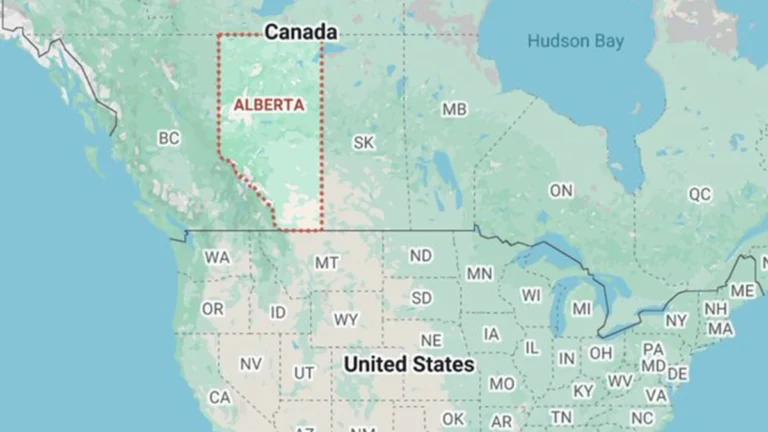
On Monday, Canadian Prime Minister Mark Carney warned about the potential dangers surrounding a possible secession referendum in the province of Alberta.
RELATED:
Canada-India Trade Deal Negotiations To Conclude Before 2026 Ends
He compared the process initiated in Alberta by provincial Premier Danielle Smith with what happened during Quebec’s separatist referendums and Brexit in the United Kingdom.
“On matters of separation, it is often argued that people should vote in favor because it is a cost-free option. Vote in favor and that will strengthen your position in future negotiations. That is a very dangerous bluff,” Carney said.
“You saw firsthand what happened in the United Kingdom when the idea was: vote in favor, it will be a soft process, and then we will negotiate. Ten years later, they are still trying to undo something people did not believe they were voting for, but ultimately ended up having,” added Carney, who served as governor of the Bank of England during the Brexit process.
Regarding Quebec, which held two independence referendums in 1980 and 1995 — the latter resulting in supporters of secession falling short by only a fraction of a percentage point — Carney warned about the true implications of such a process.
“Canadians should reflect on what happened with the Quebec referendum in relation to the kind of question people believe marks the beginning of a negotiation, but which in reality marked the beginning of a real separation,” he explained.
In October, the question that will be put to Albertans will be the following: “Should Alberta remain a province of Canada or should the government of Alberta commence the legal process required under the Canadian Constitution to hold a binding provincial referendum on whether or not Alberta should separate from Canada?”
“Carney said the federal government is reviewing the question to consider whether it is consistent with the Clarity Act. ‘Ultimately, if there are questions around that — questions about the clarity of the question — that would be a role for Parliament. I’m not saying that’s the case, but we’re in the process of doing our due diligence’,” he said, as reported by The Montreal Gazette.
The Canadian prime minister added that despite Smith’s proposal, the vote scheduled for October 2026 does not respond to a democratic necessity.
“Is it useful to raise these fundamental questions? No, it is not useful; of course it is not. Is it the democratic will of Albertans? Did they vote for this in the last provincial elections? No, they did not. It was not on the ballot. It was not in the governing party’s platform or in the official opposition’s platform,” he concluded.
On May 21, 2026, Smith announced a consultation to be held in October to decide whether she should initiate the legal process for calling a binding referendum on separation from Canada.
Since coming to power in 2022, the conservative leader has maintained a tense relationship with the federal government. She has repeatedly insisted that she would vote in favor of remaining in Canada because she believes that “Canada can still work,” but justified the consultation by stating that hundreds of thousands of Alberta residents want to express their views on the issue.
Alberta, which contains some of the world’s largest oil reserves, accuses the federal government of limiting the development of its natural resources as part of its climate change policy, as well as redistributing its wealth among Canada’s poorer provinces.
teleSUR/ JF
Source: EFE- The Montreal Gazette