







Bolivia’s Trade Unions Press Paz’ Right-Wing Government, Announce Week of Protests
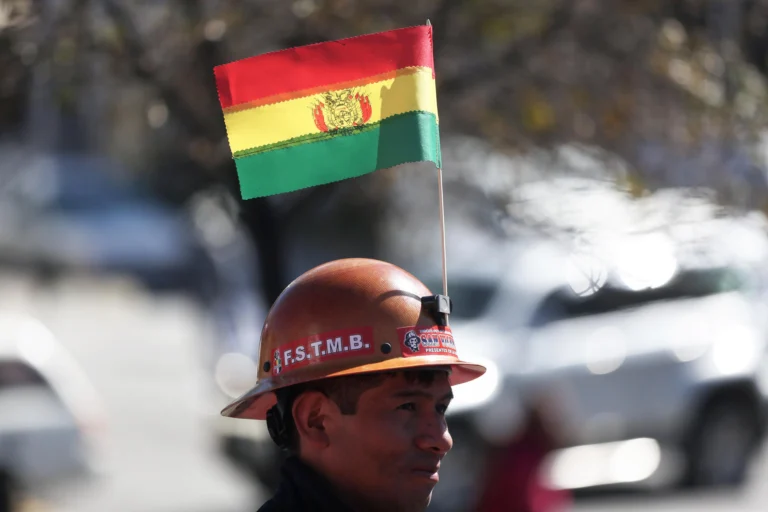
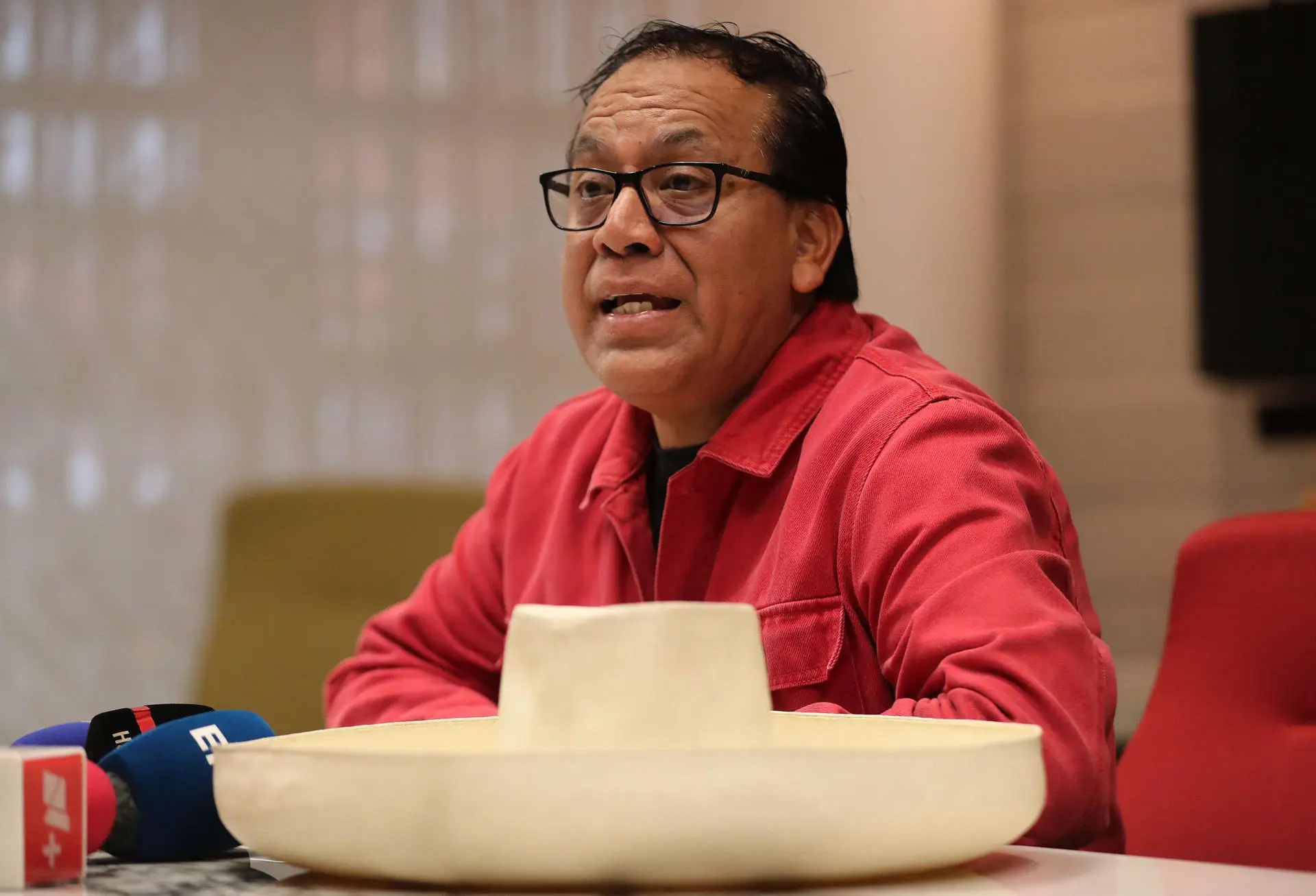
Trabajadores e indígenas aimaras de la Central Obrera Boliviana (COB) se manifestaron en La Paz, Bolivia, exigiendo al presidente Rodrigo Paz un incremento salarial del 20%. Photo: EFE/Luis Gandarillas
April 26, 2026 Hour: 2:51 pm
🔗 Comparte este artículo
Sectors of workers claim the Bolivian Executive, led by the right-wing Rodrigo Paz, for labor issues, poor quality and lack of fuel, as well as the repeal of a law challenged by indigenous people and peasants.
Labor demands and protests are being led by the Bolivian Workers’ Central (COB), the country’s main union, as well as urban teachers, ahead of International Workers’ Day, a day on which measures in favor of workers have typically been announced for the last two decades.
Bolivian Teachers Protest Face Repression, Wage Increases Demanded: Bolivia’s Trade Unions Press Paz’ Right-Wing Government, Announce Week of ProtestsDuring the governments of Evo Morales (2006-2019) and Luis Arce (2020-2025), the COB had influence on wage policies, in negotiations that did not take the employer’s side into account.
At the end of March, the COB presented its list of demands and requested a 20% increase in the basic salary, which was rejected by the Government on the grounds that there had already been an increase in the minimum wage to 3,300 bolivianos (474 dollars) at the beginning of the year, after the removal of the fuel subsidy.
It also defends the General Labor Law against the Government’s announcement of an “update” and the rejection of the possible closure of loss-making state-owned companies, considered as “disguised privatization.”
The main union body called a national meeting on Tuesday and set a rally for May 1 in El Alto, a city neighboring La Paz, to reiterate its demands.
For their part, the teachers announced that they will reinforce their protests with the arrival in La Paz of educators from the interior of the country, for the salary increase, the rejection of educational decentralization and the allocation of items, among other demands.
Another point of conflict is the poor quality of fuel, a problem that has been dragging on since the beginning of the year and that has generated a crisis in the state-owned Yacimientos Petrolíferos Fiscales Bolivianos (YPFB), which since Thursday has had its third chief executive officer in less than three months.
The distribution of diesel has been irregular in the last week, which has led to queues in several parts of Santa Cruz, La Paz, El Alto and Cochabamba, to which have been added sporadic blockades by heavy transport drivers.
Likewise, the peasant leader Carlos Tancara announced that from Monday “the roads in the north of the department of La Paz are going to be closed” and that this is an “indefinite” measure until there is a solution to the problem.
Finally, there is the claim of peasants and indigenous people from the Amazonian department of Pando, who at the beginning of April began a march towards La Paz to demand the annulment of law 1720, which “reclassifies” small agricultural property to medium and which will be reinforced by miners.
Although the Government said that the law seeks to facilitate access to credit with good interest rates, peasant and indigenous organizations maintain that the law favors businessmen and promotes deforestation.
Source: EFE