


Bolivian Unions Reject Paz’s Economic Measures
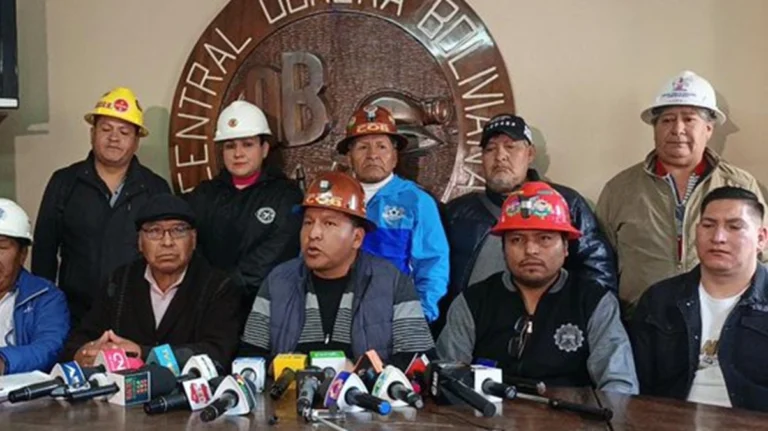
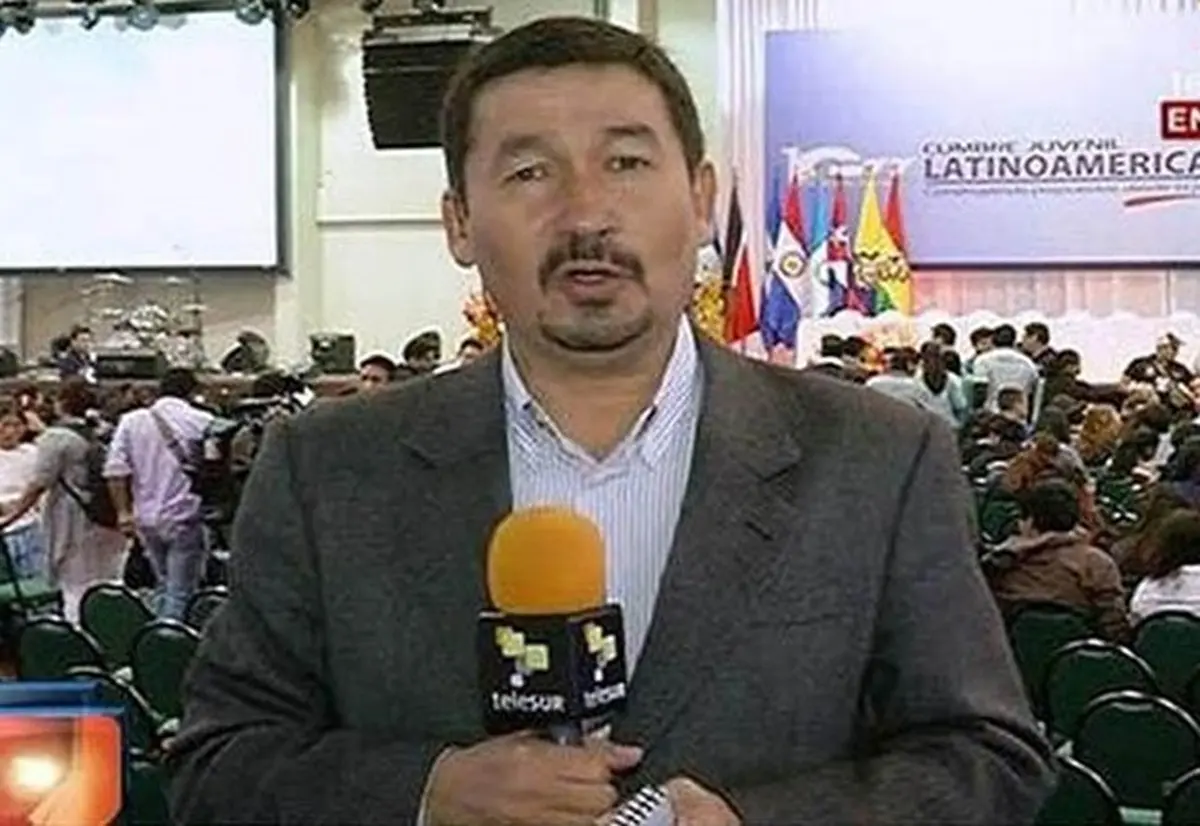
Mario Argollo (C), Dec. 2, 2025. X/ @LaPatriaDigital
December 4, 2025 Hour: 11:03 am
Labor and rural organizations accuse the right-wing President of favoring elites and paving the way for privatization.
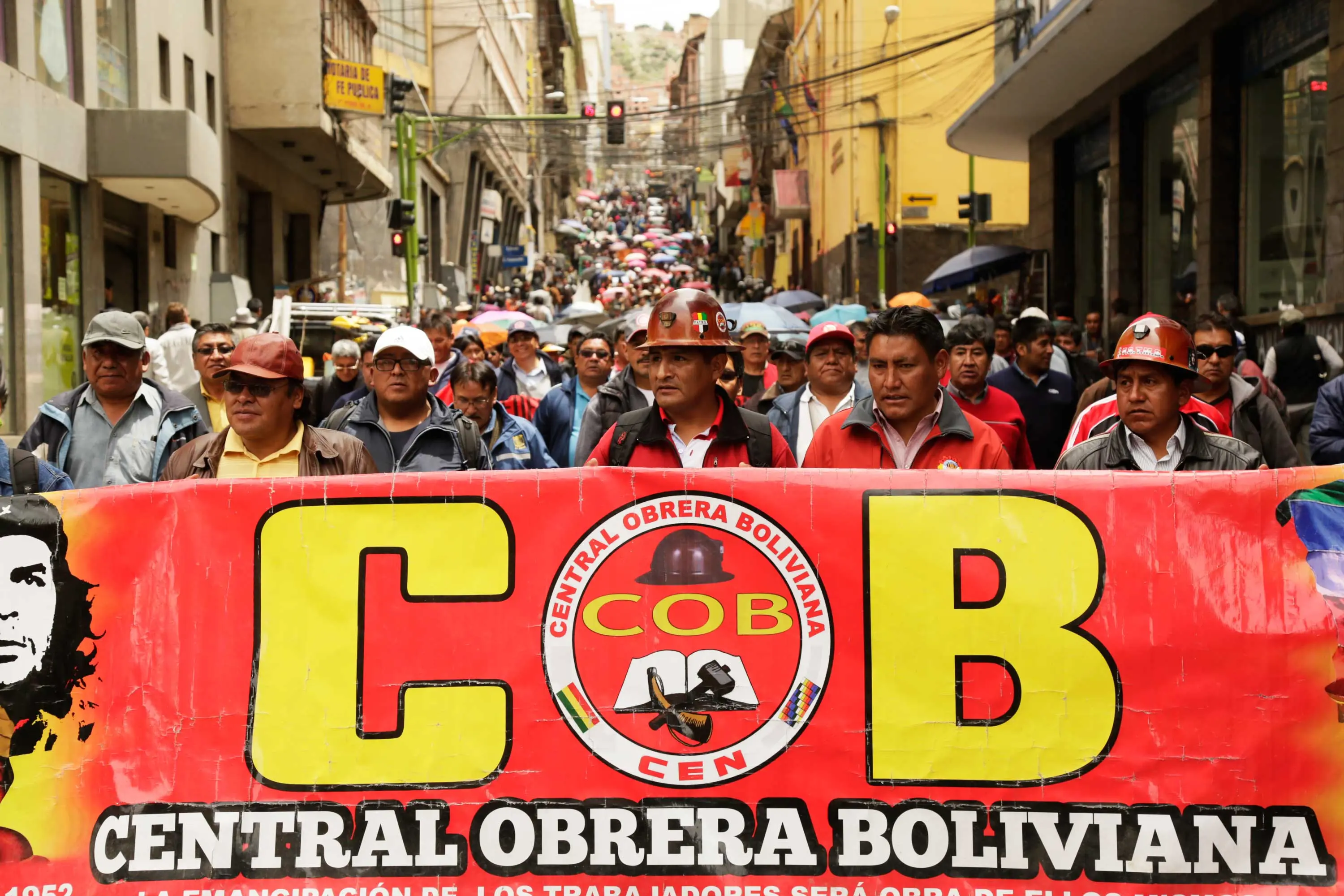
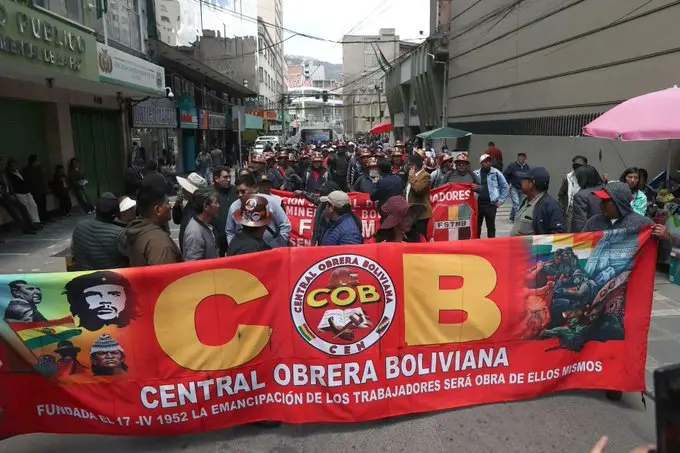
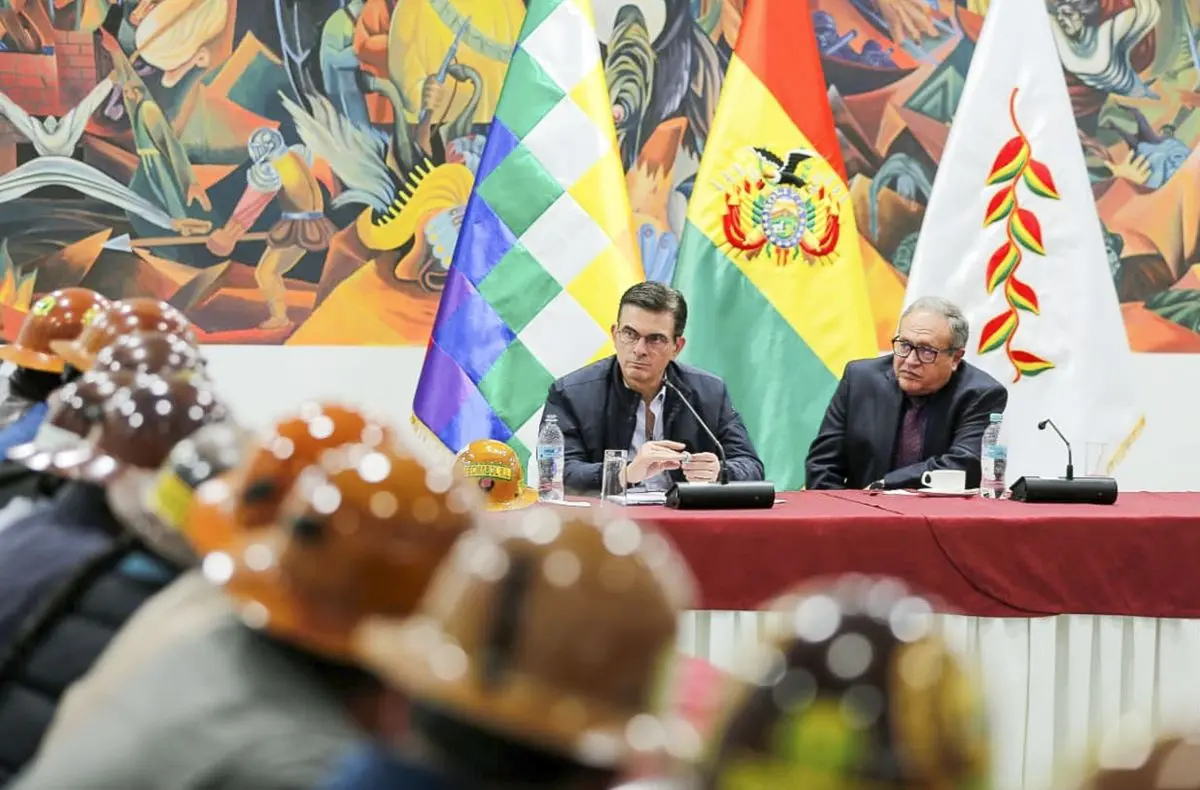
On Tuesday, more than 60 unions voiced their rejection of the first decisions made by Bolivian President Rodrigo Paz, arguing that his decrees favor only privileged sectors while leaving the majority behind.
RELATED:
Right-Wing Resurgence in Bolivia Clears Añez of Nine Charges
“All the decrees benefit a privileged sector of this country… We are tired of repeating this: policies must be made for the benefit of the great majorities,” said Mario Argollo, secretary of the Bolivian Workers’ Center (COB).
“With these economic measures that simply favor them but not rural people, we have to keep paying. And what will become of us? The price of bread has clearly risen, and they say nothing. However, when the business sector is affected, they immediately take measures to favor it,” said Vicente Choque, vice president of the Unified Confederation of Farmers (CUC).
This social leader also noted that the Paz administration has not sent assistance to farmers affected by the loss of more than 3,000 hectares of crops in the Chapare region.
“We urgently need to recover production,” Choque said, warning that the official narrative portraying the country as “a sewer and a corpse” is meant to condition the public to accept the privatization of state companies and strategic natural resources.
Feliciano Vegamonte, the secretary of the Unified Confederation of Rural Workers, said that Paz’s statements are intended to present market deregulation as the solution, even though such an option would cause severe economic harm to small agricultural and manufacturing producers.
Neighborhood organizations also mentioned that, after eliminating subsidies, the Paz administration has not implemented measures to contain rising water and electricity rates, nor the increase in bread prices.
Finally, social leaders recalled that the Bollivian government’s first economic measures included the removal of taxes benefiting monopolistic business groups, among them the tax on large fortunes.
teleSUR/ JF
Source: teleSUR