







Right-Wing Resurgence in Bolivia Clears Añez of Nine Charges
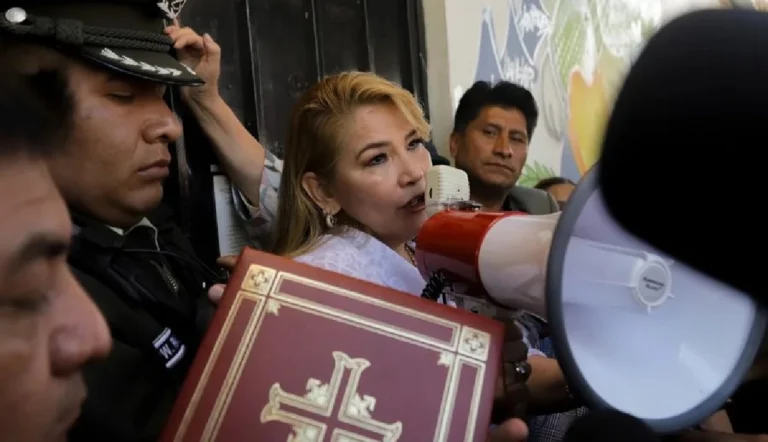
Former interim president of Bolivia Jeanine Áñez leaves the Miraflores Women’s Orientation Center on November 6, 2025. Photo: EFE.
December 4, 2025 Hour: 4:35 am
🔗 Comparte este artículo
Bolivia’s Supreme Court annulled nine charges against former interim president Jeanine Áñez, reigniting fierce debate over the 2019 coup and victims’ pursuit of justice.
The rise of right-wing influence within Bolivia’s judiciary and government has led to the annulment of nine legal cases against former de facto president Jeanine Añez, under the argument that she must instead face a trial of responsibilities.
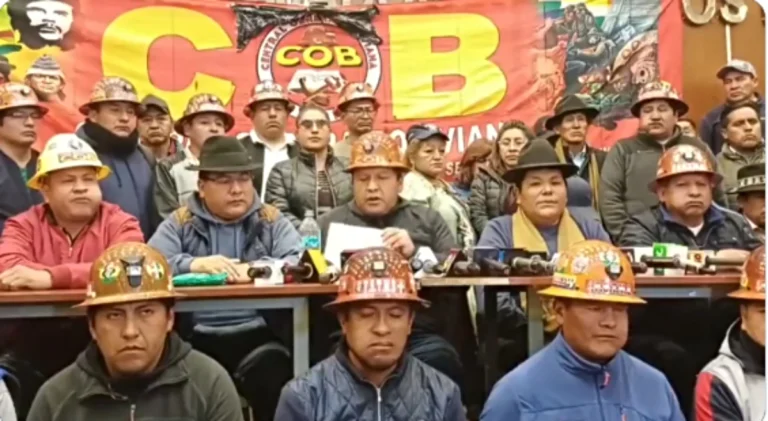
In response, relatives of victims of the massacres committed during her administration say they will push forward such a trial despite the fact that 93% of the Legislative Assembly is controlled by the same conservative forces involved in the 2019 coup that brought Añez to power.
RELATED: Bolivia: Human Rights Defenders Concerned Due Justice Ministry Closure
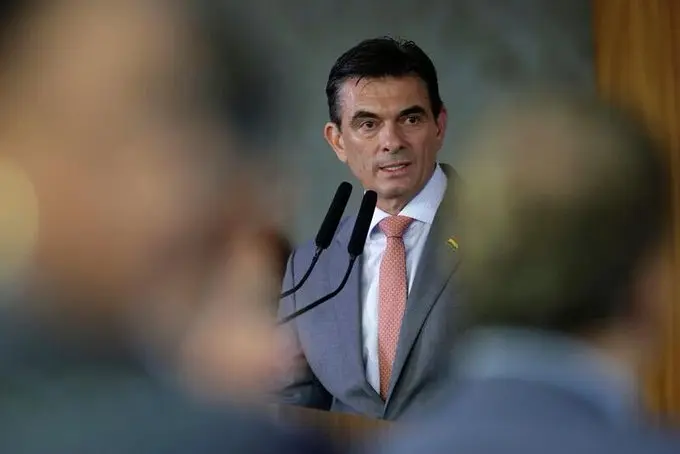
Aldo Michel, an attorney representing victims of human rights violations, explained that activating a trial of responsibilities and exhausting all legal avenues in Bolivia would lay the groundwork for taking the issue of impunity to international courts. This remains the plan even if a domestic ruling is expected to be unfavorable.
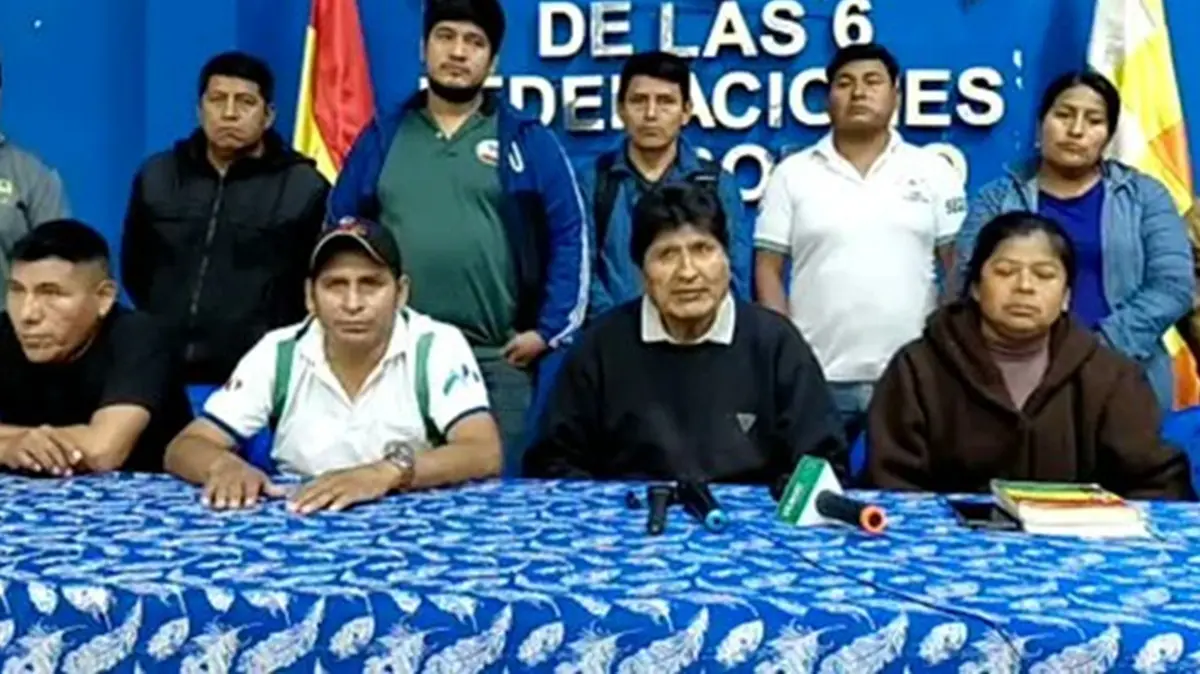
David Inca, a representative for victims of the Senkata massacre in El Alto, argued that Añez’s right-wing government enabled summary executions, massacres, and torture during her de facto rule.
The Pursuit of Justice
The parties controlling the Legislative Assembly have already stated their opposition to any process against Añez, claiming that allowing such a trial would imply acknowledging the 2019 coup.
However, victims’ families say this official refusal is precisely what they need in order to appeal to international tribunals in pursuit of justice beyond Bolivia’s borders.
An additional obstacle lies in a legislative rule requiring that requests for trials of responsibilities be addressed in the order they were filed. More than 20 such petitions have remained unresolved for over 25 years.
Inca stressed that, in this case, human rights should “take precedence over the ordinary trials of responsibilities that the Legislative Assembly must address.”
Añez’s Annulment
On November 5, Bolivia’s Supreme Court of Justice annulled Añez’s 10-year prison sentence in the “Coup II” case and ordered her immediate release. The ruling—issued shortly after the right-wing electoral victory—nullified the only remaining conviction against her.
The following day, Añez left the Miraflores women’s prison in La Paz. The court’s majority decision concluded that the previous trial violated constitutional guarantees and due process.
Añez’s interim rule was defined by Supreme Decree 4078, which granted immunity to military and police forces responsible for the Senkata and Sacaba massacres, where 36 people were killed.
Her release has reignited political debate in Bolivia over the 2019 coup and its aftermath.
Author: Victor Miranda - LVM
Source: Agencies