Bolivian Supreme Court Overturns Jeanine Añez’s 10-Year Prison Sentence
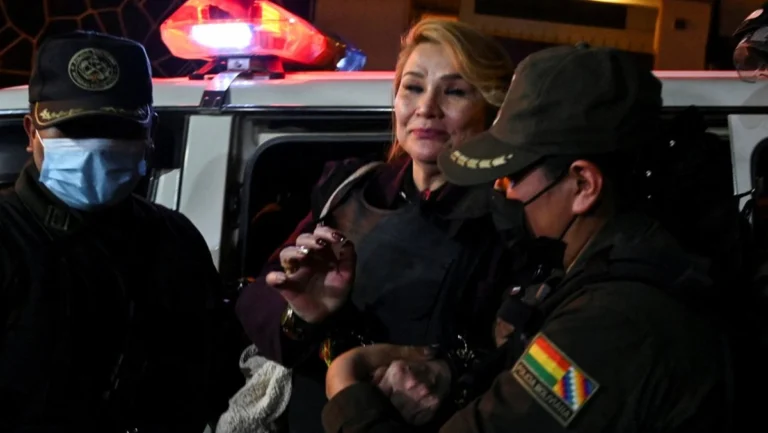
Jeanine Añez (C). X/ @g_s_world
November 5, 2025 Hour: 12:02 pm
🔗 Comparte este artículo
The Court cited due process violations and ordered the former interim president’s release.
On Wednesday, Bolivia’s Supreme Court of Justice (TSJ) annulled a 10-year prison sentence against former de facto President Jeanine Añez, arguing that her due process rights and constitutional guarantees had been violated. In 2019, she led a coup d’état with the support of the United States and the Organization of American States (OAS).
RELATED:
Bolivian Senate Approves Law to Protect Children Orphaned by Femicide
“The sentence against Jeanine Añez has been declared null and void, based on arguments such as the retroactive application of the law, since the criminal offense related to the resolution of activities contrary to the Constitution was modified at one point,” TSJ President Romer Saucedo.
Besides ordering her immediate release, the TSJ ruled that the far-right politician must instead face a political trial in the National Assembly, as requested by Añez’s defense.
Her lawyers had argued that she should not have been tried in an ordinary court but rather through a political process in Congress, given her status as a former head of state. Añez had been imprisoned for more than four years.
The text reads, “Almagro leaves the OAS: the final nail in the coffin for an organization ‘without credibility’ in the Americas. After 10 years, Luis Almagro concludes a cycle at the head of the OAS marked by ‘total submission to Washington,’ support for a coup in Bolivia, and the threat of an invasion of Venezuela. Analysts consulted by Sputnik reflected on how Almagro “pushed the OAS to the limit” as a U.S. tool against ‘dissidents’.”
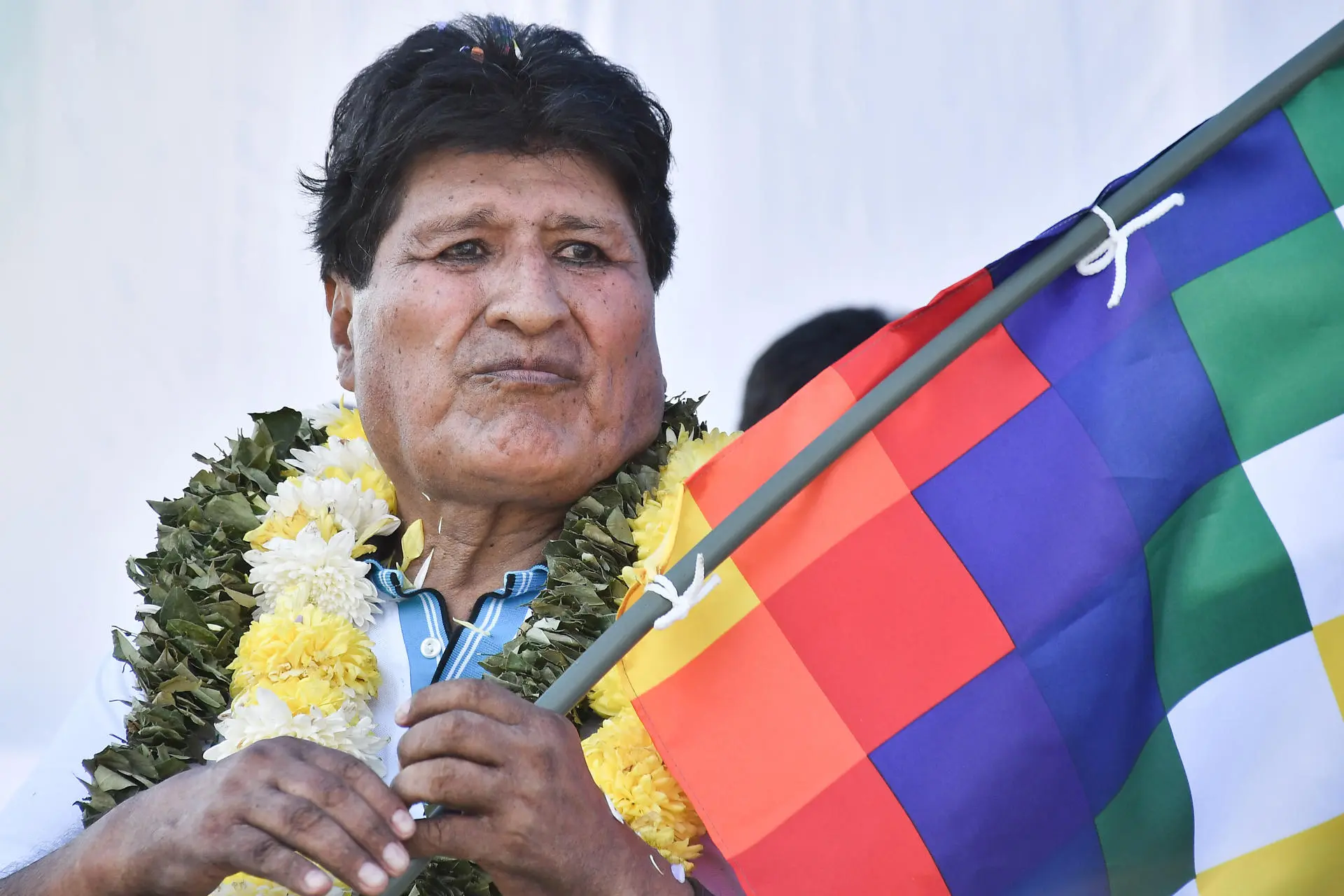
Jeanine Añez was the second vice president of the Senate when she assumed Bolivia’s presidency in November 2019, following the resignation of then-President Evo Morales.
Her rise to power came amid a political crisis triggered by allegations of fraud in the October 2019 elections. After Morales and several high-ranking officials from the Movement for Socialism (MAS) fled the country, Añez declared herself “interim president.”
Her assumption of power was controversial, as it bypassed the constitutional line of succession and occurred without a formal congressional quorum, leading critics to label her government as illegitimate.
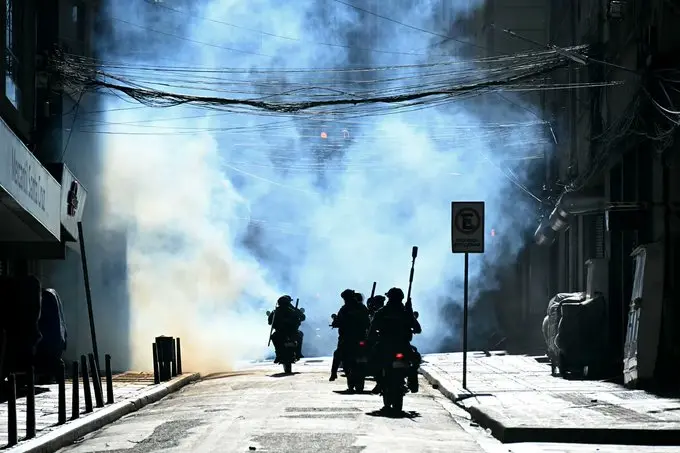
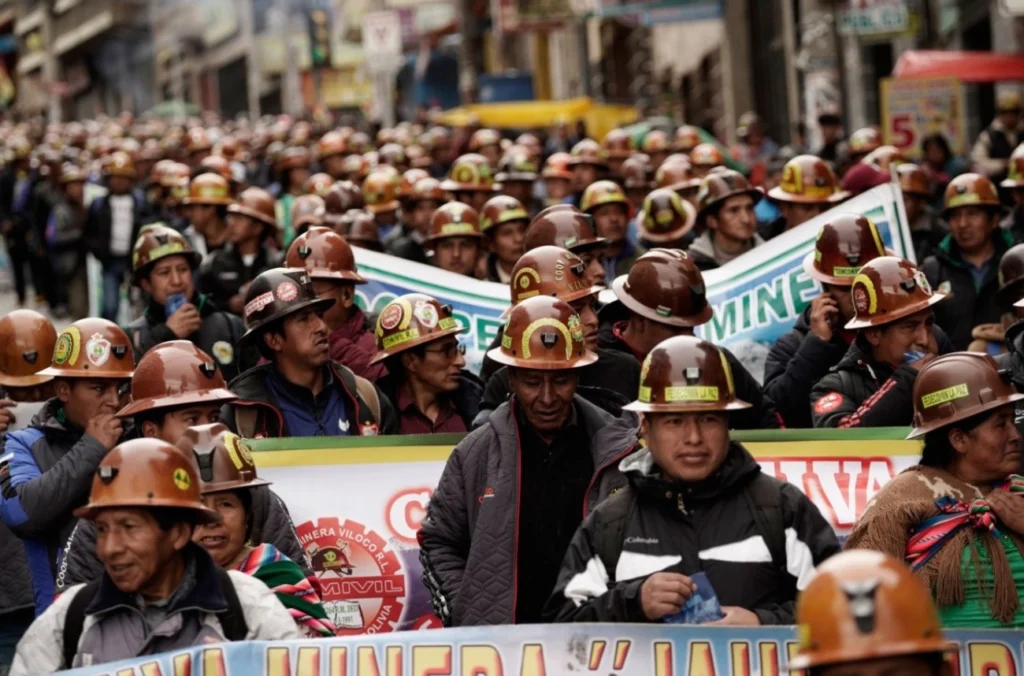
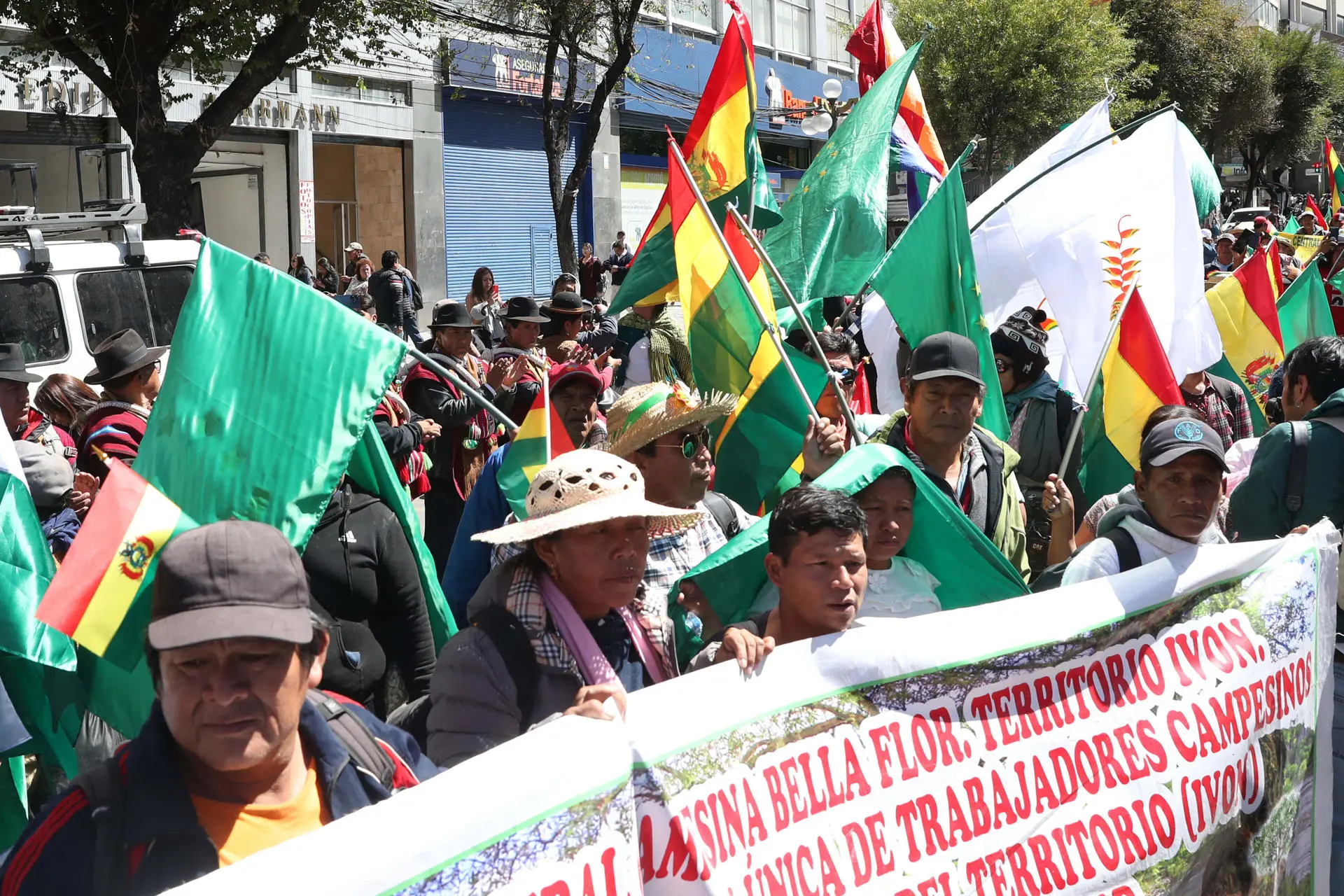
During her administration, Añez attempted to suppress protests against her through heavy-handed repression of citizens demanding Morales’s return.
The text reads, “Outrage from Senkata victims. Organizations representing the victims of the Senkata massacre denounce ‘impunity’ surrounding judicial decisions.”
The most notorious incidents occurred in the towns of Sacaba and Senkata, where security forces opened fire on protesters in November 2019, resulting in at least 37 deaths, according to investigations by the Inter-American Commission on Human Rights (IACHR).
These events were later classified as massacres by human rights organizations, which held Añez responsible for serious human rights violations, including extrajudicial killings and arbitrary detentions.
Beyond the accusations of violence, Añez’s administration faced multiple corruption allegations. Several officials were investigated for irregular procurement during the COVID-19 pandemic, particularly in the purchase of overpriced ventilators for hospitals.
Her administration was also criticized for politically motivated arrests, censorship of public media, and the persecution of MAS supporters. Instead of focusing on organizing new elections, Añez used her position to consolidate power and marginalize her opponents, deepening Bolivia’s political divide.
In June 2022, Añez was sentenced to 10 years in prison after being found guilty of “breach of duties” and “resolutions contrary to the Constitution” for her role in the events that led to her self-proclamation as interim president. The court ruled that she had illegally assumed the presidency without congressional approval.
teleSUR/ JF
Sources: teleSUR – Red Uno – EFE