Bolivia, Mexico and U.S. Lose Measles Elimination Status
Bolivia, Mexico and the United States have lost their measles elimination status after at least 12 months of uninterrupted transmission. PAHO reports 58,213 confirmed cases and 82 deaths across the Americas in 2026.
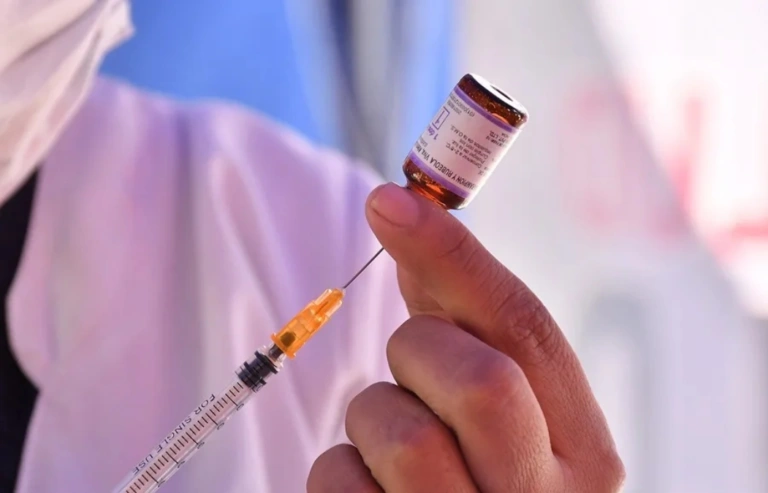
PAHO Director Dr. Jarbas Barbosa calls for stronger vaccination and surveillance efforts as measles transmission spreads across the Americas. Photo: EFE
November 18, 2026 Hour: 2:39 am
🔗 Comparte este artículo
The three countries have reported sustained transmission as measles cases across the Americas surge to more than 58,000 in 2026.
Bolivia, Mexico and the United States have lost their measles elimination status after the virus circulated uninterrupted for at least 12 months, the Pan American Health Organization (PAHO) announced, warning that a sharp rise in cases across the Americas demands urgent action to close vaccination gaps.
RELATED: US Measles Outbreak: 4,410 Cases Spark Urgent Vaccination Warning
The decision follows an assessment by the Measles, Rubella and Congenital Rubella Syndrome Elimination Regional Monitoring and Re-Verification Commission (RVC), which met from November 10 to 13 to review the latest epidemiological situation across the region. PAHO Director Dr. Jarbas Barbosa accepted the commission’s findings and recommendations.
Under the RVC’s criteria, endemic transmission is considered re-established when the same measles virus genotype and lineage circulate continuously in a country for 12 months or longer.
The latest figures underscore the scale of the resurgence. As of November 13, 2026, the Americas had recorded 58,213 confirmed measles cases and 82 deaths, compared with 12,806 cases during the same period in 2025.
Text Reads: “PAHO urges countries to intensify efforts to stop measles outbreaks in the Americas.
The resurgence of measles has caused Bolivia, Mexico, and the United States to lose their elimination status.”
Bolivia, Mexico and the United States are now implementing measures to strengthen vaccination, surveillance and outbreak response. Canada, meanwhile, has interrupted the chain of transmission associated with the outbreak that led to its loss of elimination status and is working to regain recognition.
The Americas became the first region in the world to eliminate measles and regained that status in 2024 after interrupting endemic transmission in Venezuela and Brazil. However, sustained transmission in Canada led to the region losing its elimination status in November 2025. The subsequent losses in Bolivia, Mexico and the United States represent a further setback, making the restoration of regional elimination more challenging.
“Re-establishing endemic transmission is a serious warning for our Region, but it is not an irreversible setback,” Barbosa said. He stressed that sustained vaccination, strong surveillance and effective outbreak response could enable the Americas to eliminate measles transmission again.
Measles is among the world’s most contagious diseases, with a single infected person capable of transmitting the virus to as many as 18 susceptible individuals. The disease can cause severe complications, including pneumonia, encephalitis and blindness, and can be fatal. Infection can also weaken the immune system for months.
PAHO attributes the resurgence to persistent gaps in population immunity, often concentrated in specific communities and geographic areas. National vaccination averages can conceal these vulnerabilities, while barriers to healthcare, missed vaccinations, misinformation and vaccine hesitancy leave children, adolescents and adults at risk.
The organization warned that continued transmission increases the likelihood of the virus reaching people who cannot be vaccinated for medical reasons, as well as infants too young to receive the vaccine. Protecting these groups depends on ensuring that those around them are immunized.
PAHO is supporting countries through vaccination campaigns, stronger epidemiological and laboratory surveillance, rapid-response teams, and assistance with outbreak investigations and containment.
The RVC has recommended that governments use PAHO’s risk assessment tools to identify high-risk municipalities and vulnerable populations. It also called for active searches for suspected cases in healthcare facilities, communities and laboratories every three months, with systematic documentation of the findings.
Other recommendations include improving the classification of suspected vaccine-related reactions, using genetic testing to distinguish vaccine strains from circulating measles viruses, and adapting vaccination, surveillance and laboratory activities to the epidemiological situation.
The commission also urged countries to verify healthcare workers’ vaccination status, enforce institutional immunization policies and implement airborne isolation protocols. It called for adequate funding and equipment for field teams, the removal of operational barriers and stronger government coordination to ensure rapid outbreak responses.
Maintaining vaccination coverage of at least 95% with both doses of the measles vaccine in every community remains essential to restoring elimination across the Americas. The region has overcome similar setbacks before: after endemic transmission returned to Venezuela in 2018 and Brazil in 2019, countries worked together to interrupt the outbreaks, allowing the Americas to regain elimination status in 2024.
“Elimination is not a trophy that we win once and put on a shelf. It must be protected every day by closing immunity gaps and ensuring that every community is reached,” Barbosa said. PAHO will continue working with countries to achieve that goal.