


Argentina Becomes the Second Country to Ratify the MERCOSUR-EU Agreement
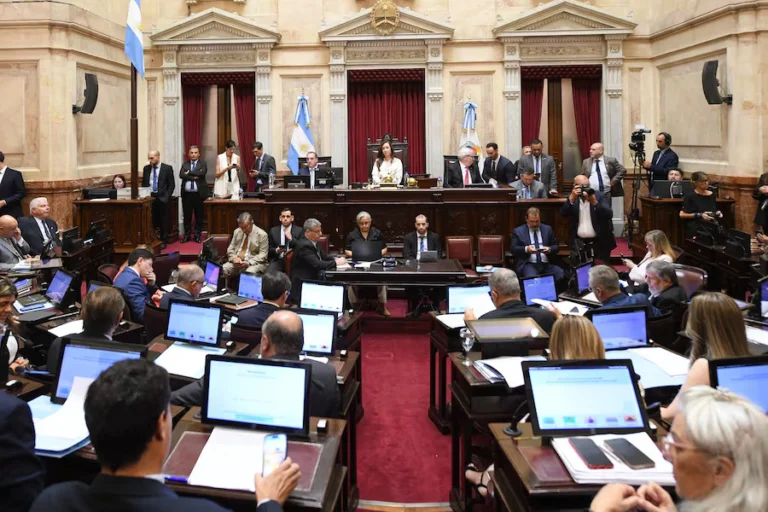
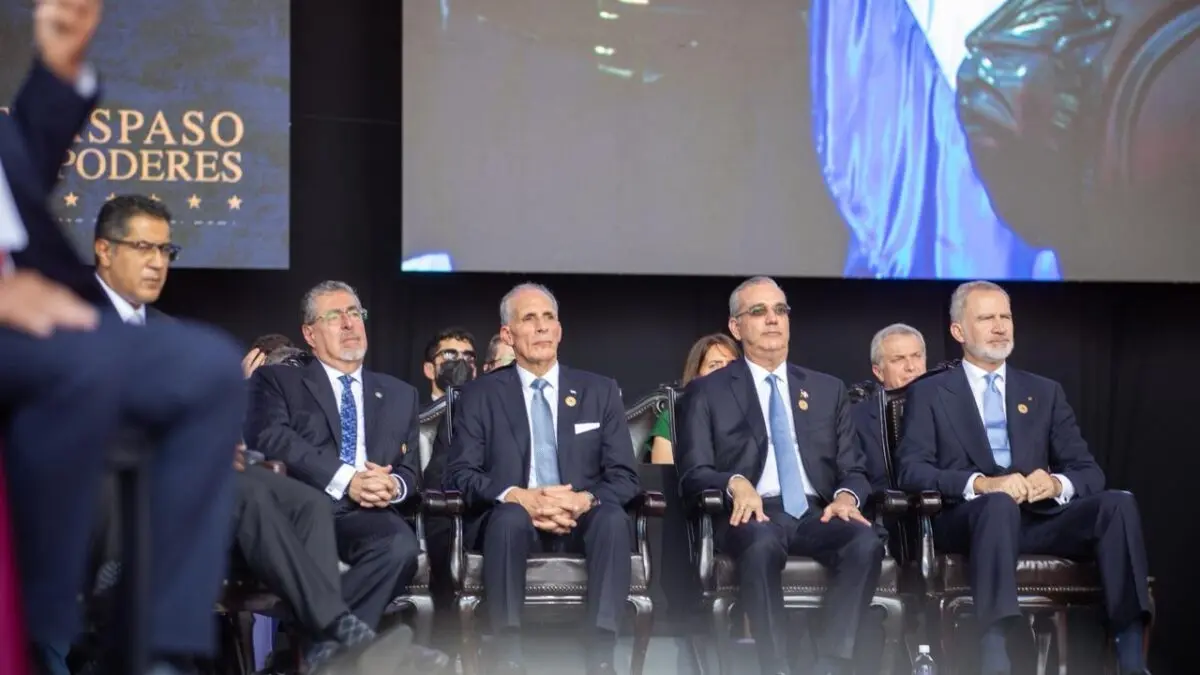
The Senate made the Agreement law in a session marked by official haste. Photo: Argentinean Senate.
February 26, 2026 Hour: 5:09 pm
🔗 Comparte este artículo
The Argentinean Senate ratified the EU-Mercosur trade agreement, greenlighting significant market access, but the European Parliament decided to freeze their treatment for at least one year and sent it to the Court of Justice for legal review.
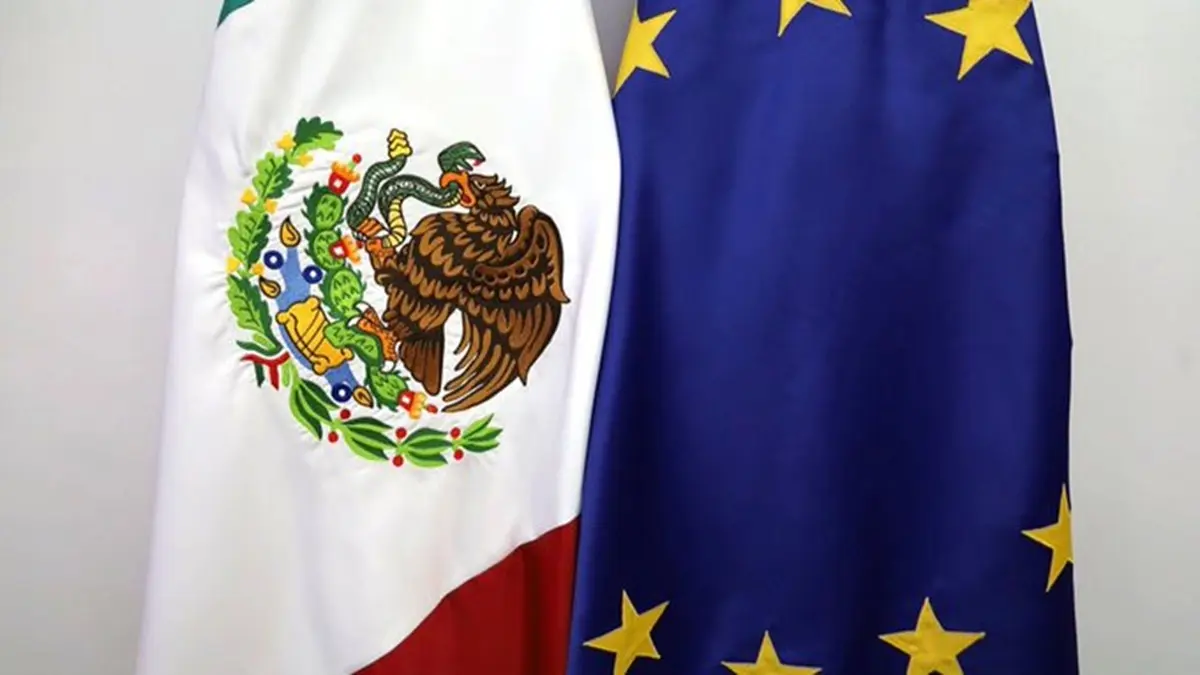
The Argentine Senate approved the Southern Common Market (MERCOSUR)-European Union trade agreement on Thursday, February 26, with 69 votes in favor and 3 against, concluding the parliamentary process initiated in the Chamber of Deputies on February 13.
With this ratification, Argentina becomes the second Mercosur country, after Uruguay, to endorse the strategic pact negotiated over decades.
RELATED: Mercosur-EU Sign Historic Free Trade Agreement After 25 Years of Negotiations
This crucial decision, which saw a divided Peronist bloc, paves the way for a new era of economic cooperation and international integration for Argentina, despite a heated parliamentary debate and an ongoing extraordinary session that includes modifications to the glacier law.
Within the region, Uruguay’s Congress led the way, having already ratified the agreement, placing Argentina in second position for formal ratification. Paraguay is anticipated to ratify the pact next week, while in Brazil, the agreement has been approved by the Chamber of Deputies and is currently awaiting the Senate’s endorsement.
The bilateral agreement was signed on January 17 in Asuncion, Paraguay, in a ceremony attended by Argentinean President Javier Milei, Paraguayan President Santiago Peña, and Uruguayan President Yamandu Orsi. The treaty aims to deepen trade integration between the two regions, which represent a combined market of 800 million people.
Proponents of the agreement articulated strong arguments in its favor, emphasizing its potential for economic growth and international repositioning.
On the opposition’s side, Senators argued that even with the approval of this agreement, nothing will be achieved if a federal development policy is not achieved and demanded internal cohesion and equitable distribution of alleged benefits to ensure the agreement’s success across the entire Argentine territory, without jeopardizing sovereignty.
Tariffs and Exports Agreed
According to official data, the agreement stipulates that 92% of exports from the South American bloc will become tariff-free upon implementation. Furthermore, the deal establishes generous annual export quotas with preferential tariffs from MERCOSUR to the European Union. These include 99,000 tons of beef, 180,000 tons of poultry, and 1 million tons of corn, among numerous other products. This comprehensive market opening is poised to redefine trade relations between the two continents.
The European Union has long been a key partner for Argentina. Between January and November 2025, the EU ranked as the third destination for local exports, trailing only Brazil and China. During that eleven-month period, sales to the European bloc amounted to approximately US$7,921 million, representing a 3.7 % increase compared to the same period in 2024, according to data from the National Institute of Statistics and Censuses (INDEC, in Spanish).
In terms of macroeconomic impact, official projections indicate that Argentine exports to the European Union could grow by up to 76% in the initial five years of the agreement’s validity, and by as much as 122% within a ten-year timeframe. In terms of value, shipments are expected to increase from US$8,641 million in 2025 to over US$19,000 million in a decade, primarily driven by strategic sectors such as energy, mining, lithium, copper, and hydrocarbons.
The EU’s Resistance
The most complex scenario for the agreement’s entry into force is in the European Union, where resistance persists in the European Parliament due to the concerns of agricultural producers. On February 10, the European Parliament approved safeguard measures that allow for the temporary suspension of tariff preferences for agricultural imports from Mercosur if the increase in imports causes “serious harm” to European producers.
Despite these measures, farmers’ protests continue in various European countries, so final approval is not yet guaranteed. In Spain, producers demonstrated in Madrid against the EU-MERCOSUR agreement, reflecting the tension between commercial interests and the protection of the local agricultural sector.
Uruguay: Pioneer of the Pact
In January, the Uruguayan Chamber of Representatives approved the trade agreement between the Southern Common Market (MERCOSUR, in Spanish) and the European Union with 91 votes in favor and two against.
In this way, Uruguay became the first MERCOSUR country whose Congress endorsed the strategic trade agreement that was negotiated over decades.
For the treaty to enter into force, it still requires approval from the European Parliament and ratification by Brazil and Paraguay. In Brazil, the Chamber of Deputies approved the agreement on Wednesday, and it now goes to the Senate for ratification in the coming days. In Paraguay, the debate has not yet begun due to the parliamentary recess; the ordinary session will resume next Sunday.
According to MERCOSUR data, the treaty with the EU represents a combined Gross Domestic Product equivalent to a quarter of the world’s GDP and bilateral trade of around $100 billion. Economic integration between the two blocs.
Author: HGV - LVM
Source: Tiempo Argentino / Agencies