


Argentina Moves to Roll Back Glacier Protections Amid Mining Push
Argentina’s push to weaken glacier protections would expose strategic water reserves to mining, undermining human rights and climate resilience despite scientific warnings.
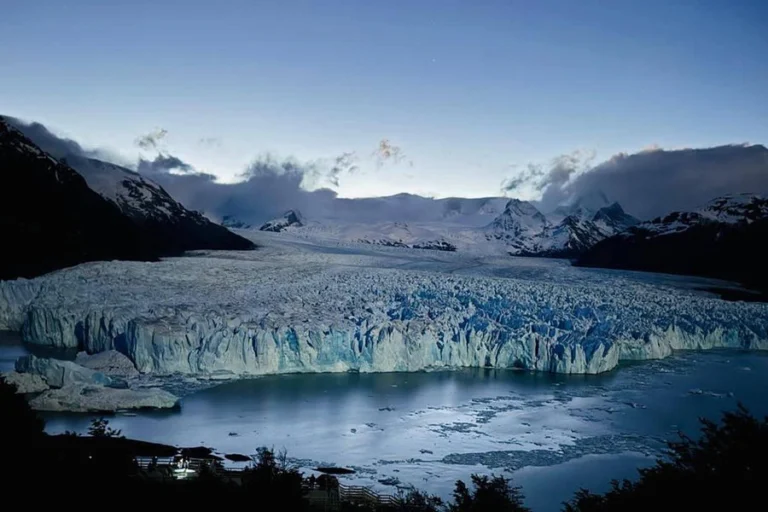
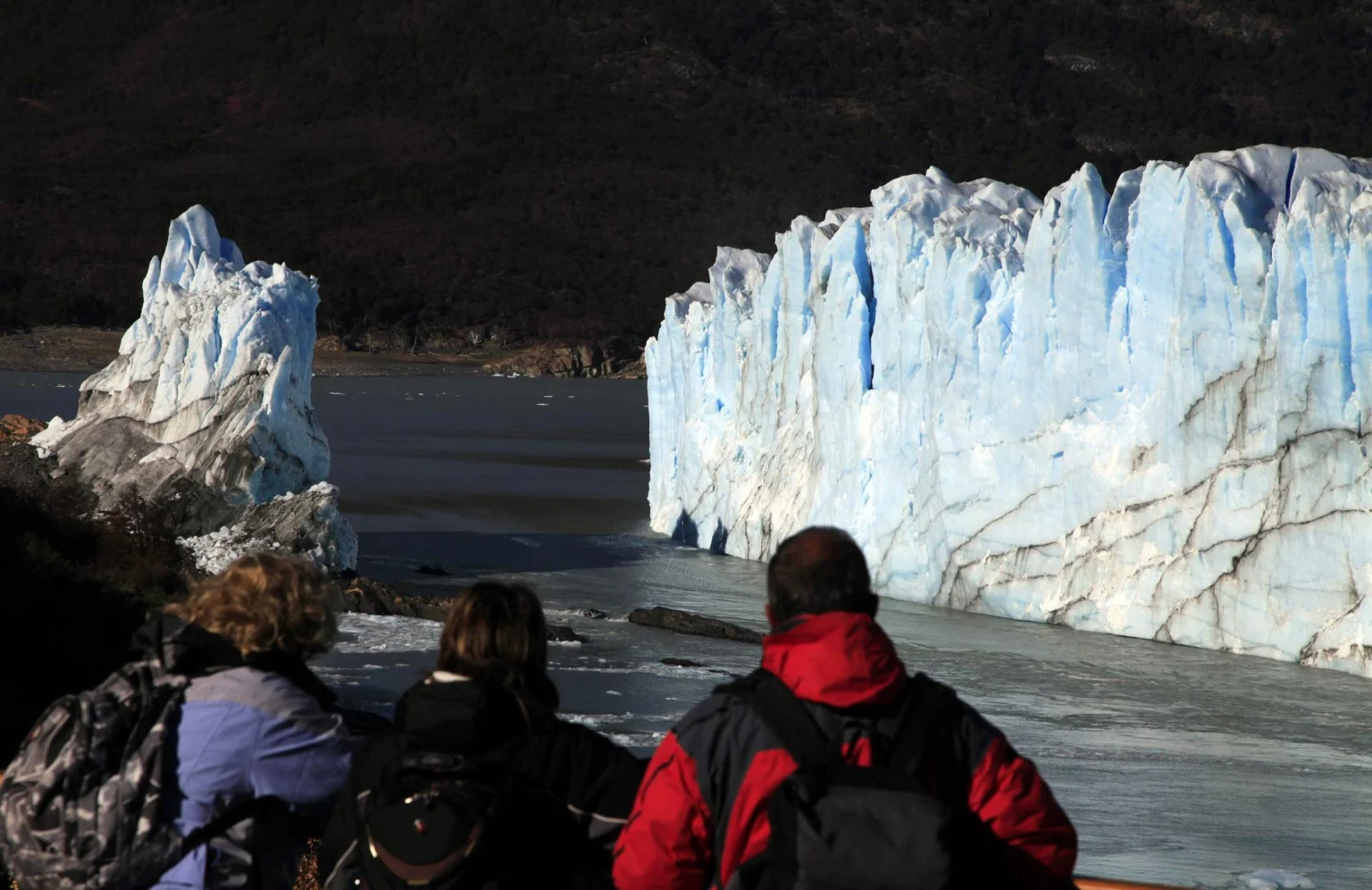
Glaciers and periglacial environments, recognized as critical freshwater reserves across the Andes, face renewed threats as the government moves to weaken existing protections. Photo: @Guiller98066279
November 23, 2025 Hour: 7:35 am
🔗 Comparte este artículo
The government of President Javier Milei is advancing efforts to weaken or repeal Argentina’s Glacier Law, a move that could expose critical freshwater reserves to mining at a time of intensifying climate stress across the Andes. Environmental and human-rights dimensions are at stake, as glaciers serve as essential water sources for millions of people.
RELATED:
Thousands of LGBT People and Participate in Feminist Meeting, Northern Argentina
Environmental organizations warn that the initiative is not aimed at supporting vulnerable communities, but rather responds to pressure from mining lobbies and climate-denial sectors set to benefit from deregulation. The push coincides with broader government measures to accelerate extractive investment through the Regime for Incentives to Large Investments (RIGI), while federal transfers to provinces are being reduced.
Passed in 2010 after broad public, scientific, and legislative mobilization, the Glacier Law established minimum standards for the protection of glaciers and periglacial environments, recognized internationally as strategic water reserves. It prohibits “the exploration and exploitation of mining and hydrocarbons” and any activity that could compromise these ecosystems, vital for water supply in arid and semi-arid provinces along the Andes.
Mining companies are pushing to narrow the definition of “periglacial environment,” a change that would immediately open currently protected areas to extractive projects. The administration is also proposing to transfer the authority to define these zones from scientific bodies to provincial governments, despite the absence of independent technical assessments at the provincial level.
Marta Maffei, former legislator and key advocate of the Glacier Law, stresses that dismantling the legislation would represent a catastrophic setback for Argentina and the broader Andean region. “The Glacier Law is not only environmental: it guarantees the human right to water and serves as a pillar in defending life against the exploitation of non-renewable resources,” she says. “Today new obstacles emerge: the multiple efforts by Milei, an unconditional spokesperson of mining corporations, to dismantle the law or adulterate its text.”
Maffei counters government claims that mining expansion would benefit impoverished regions: “Provincial royalties do not exceed 3 percent of the mine-mouth value —meaning the value of the mineral minus production costs—which in practice barely reaches 2 percent,” she explains. She also notes that Decree 563/2025 eliminated export duties for 231 minerals, and that royalty calculations rely entirely on company-submitted “sworn statements” without independent oversight.
Allowing large-scale mining in glacier and periglacial areas, she adds, would disrupt hydrological stability through blasting, acid drainage, soil movement, and river diversion. “The periglacial environment preserves subsoil ice for long periods. Damage is slow to revert, and often irreversible,” she warns. The United Nations declared 2025 the International Year of Glacier Preservation, highlighting glaciers’ central role in regulating water and climate.
The government’s urgency is also linked to at least 53 mining projects already operating illegally in glacier and periglacial zones across Jujuy, Salta, La Rioja, Mendoza, Catamarca, and San Juan. Many advanced without accurately reporting their locations in environmental impact assessments, which provincial authorities routinely accepted without independent review.
Maffei points to scientific evidence, including mapping by the University of Zurich validated by Argentine glaciologists, confirming frozen soils in areas of active mining. Transferring authority to provinces, she argues, would leave strategic water reserves exposed to private interests, as provincial acceptance of corporate reports continues unchecked.
The Argentine Institute of Snow, Glaciology and Environmental Sciences (IANIGLA), responsible for the National Glacier Inventory, confirmed it has not been consulted or officially informed about any proposal to amend or repeal the law. The institute emphasized that glaciers and periglacial environments “can contribute between 25 percent and 50 percent of the total flow in watercourses in the Arid Andes, especially in drought years,” underlining their critical hydrological role.
The attacks on glacier protections occur amid severe climate vulnerability. Wildfires destroyed more than 31,700 hectares in Neuquén, Río Negro, and Chubut during the 2024–2025 season. Forecasts for the 2025–2026 summer predict above-average temperatures, below-normal rainfall, and a stronger La Niña pattern, raising the risk of intensified drought. In response, the NGO Amigos de la Patagonia relaunched its “Alerta Patagonia” campaign, calling citizens to act as “guardians of the forest.”
Argentina’s attempt to roll back glacier protections signals a political and environmental crisis: prioritizing mining over water security would place vital freshwater reserves in jeopardy for millions of people. Scientific institutions, environmental groups, and civil society warn that weakening the Glacier Law would endanger both the region’s ecological sustainability and the human right to water.
Author: MK
Source: teleSUR