


Zapad-2025 Drills Included Maneuvers with Russian Oreshnik Missiles
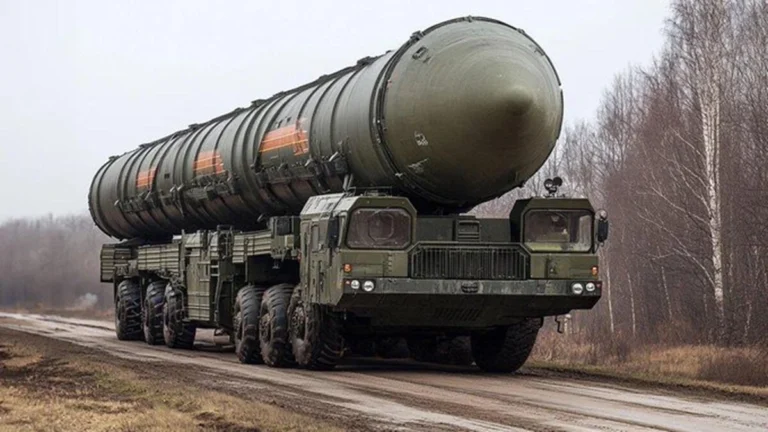
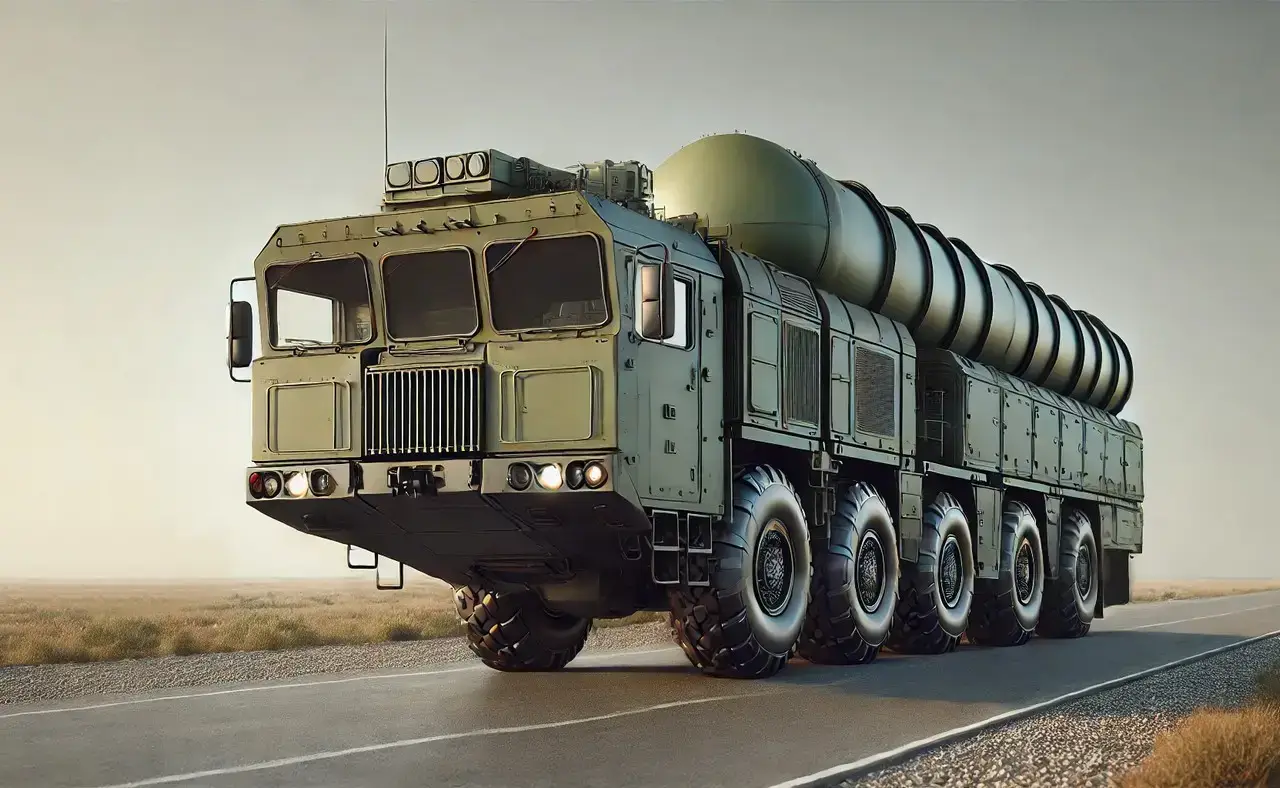
An oreshnik missile. X/ @RT_com
September 16, 2025 Hour: 11:35 am
This medium-range missile is capable of carrying nuclear warheads.
On Tuesday, Belarusian Deputy Defense Minister Pavel Muraveiko confirmed that the Zapad-2025 strategic maneuvers included exercises with Russian Oreshnik hypersonic ballistic missiles.
RELATED:
Russia Condemns U.S. Destroyer’s Interception of Venezuelan Fishing Boat
“We have completed all the tasks we set for ourselves,” he said, specifying that the drills included not only the deployment of the Oreshnik missiles but also the simulation of nonstrategic nuclear weapon launches.
In 2023, Russia deployed tactical nuclear weapons in Belarus, where the Oreshniks are expected to be stationed before the end of this year.
The Oreshnik is a medium-range missile capable of carrying nuclear warheads. It could strike targets thousands of kilometers away with a margin of error of only a few dozen meters. These missiles gained notoriety in late 2024 when Russian forces struck a military plant in the Dnipropetrovsk region.
The text reads, “The Russian and Belarusian militaries concluded their joint Zapad-2025 military exercises on Tuesday. Belarus confirmed that the exercises included the deployment of Russian Oreshnik hypersonic ballistic missiles. Russian Tu-160 strategic bombers simulated the electronic launch of cruise missiles at simulated targets in the Barents Sea.
In addition, Russian troops conducted exercises today to counter enemy advances with the help of drones in Kaliningrad, which borders Poland. Poland has massed tens of thousands of troops on its border with Belarus following the air raid by Russian drones on its territory a week ago.”
On Tuesday, the Russian and Belarusian armies wrapped up the Zapad-2025 strategic maneuvers, which took place on Russian territory as well as in the Baltic Sea and the Barents Sea.
For that reason, Belarusian Defense Minister Victor Khrenin traveled to Russia to oversee “the active phase” of the drills, which prompted concern within the North Atlantic Treaty Organization (NATO).
The goal of the activities, which began last Friday, was to coordinate the actions of different types of units in the defense of the Russia-Belarus Union State.
“I want to recall the words of our president, Vladimir Putin: Russia has never threatened anyone and does not threaten the countries of Europe now,” Kremlin spokesman Dmitry Peskov said.
Nevertheless, on Friday, NATO Secretary-General Mark Rutte announced the launch of a new military initiative called “Eastern Sentinel,” aimed at strengthening the alliance’s eastern flank. The new initiative will involve forces from countries including Denmark, France, the United Kingdom and Germany.
teleSUR/ JF
Source: EFE