


U.S. Democrat Senators Moves to Restrict Trump’s Actions Against Cuba
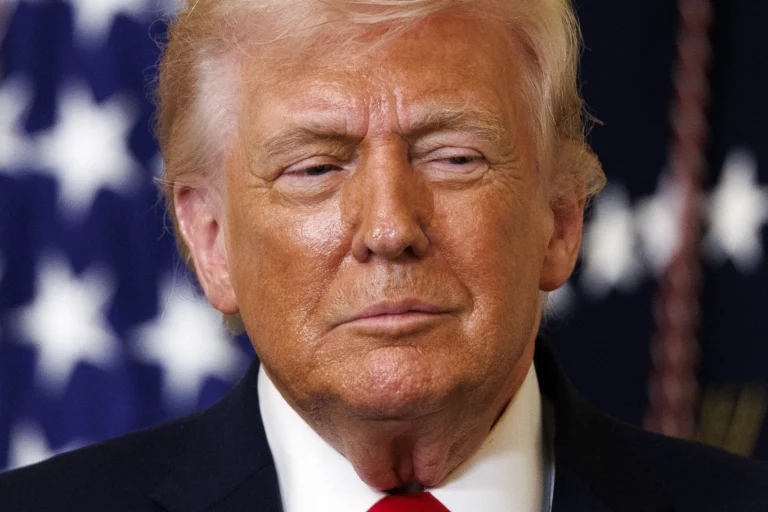
Trump’s warmongering rhetoric against Cuba is part of a pattern of force recently applied in the region and the world. Photo: EFE.
March 13, 2026 Hour: 7:58 pm
U.S. Senators introduced a resolution aimed at preventing any military action against Cuba by President Donald Trump without authorization, citing concerns over presidential overreach in foreign policy and the ongoing aggravation of the blockade on the Caribbean nation.
U.S. Democrat Senators introduced on March 13 a resolution to prevent any military action against Cuba ordered by President Donald Trump without explicit Congressional authorization.
This crucial initiative aims to safeguard legislative authority over war powers, following concerns about presidential overreach in foreign policy and military engagements, ensuring constitutional checks and balances.
RELATED: Cuba Confirms Talks With U.S. Officials
The initiative is spearheaded by Senators Tim Kaine, Adam Schiff, and Ruben Gallego, who argue that the U.S. President has “bypassed Congress’s exclusive authority to declare war through attacks against Iran and Venezuela.”
This pattern of executive overreach, according to the legislators, demands a firm legislative check on presidential military prerogatives.
Senator Tim Kaine, a member of the Congressional Armed Services and Foreign Relations Committees, insisted that the Armed Forces must not engage in hostilities unless explicitly authorized by Congress. Kaine criticized the President’s posture, stating that Trump acts as if the military were his “palace guard”, issuing orders for actions in the Caribbean and other regions without providing clear explanations to the U.S. people.
This challenges the constitutional balance of powers, aiming to restore Congress’s foundational role in foreign and security policy decision-making.
While the proposal could be brought to a vote within the next 10 days, its approval faces significant hurdles. This is primarily due to staunch Republican support for Donald Trump and the President’s considerable veto power, highlighting the deep political divisions in Washington concerning executive and legislative authority in foreign affairs.
The debate underscores fundamental questions about the extent of presidential power versus the constitutional role of Congress in authorizing military force, especially when such actions could escalate regional tensions.
Cuba Resists Blockade
President Donald Trump recently declared that the United States might pursue a “friendly takeover” of Cuba, alleging that the island is facing an economic crisis, marked by severe shortages of food and oil.
However, Trump’s assertions ignore the critical fact that this dire situation is a direct consequence of the economic, commercial, financial, and energy blockade intensified by his own administration. This highlights the hypocritical nature of his statements, blaming Cuba for conditions deliberately imposed from outside, a strategy widely condemned by international organizations and Cuba’s allies.
Following the U.S. military aggression on January 3 against Venezuela, which resulted in the kidnapping of Venezuelan President Nicolas Maduro and the First Combatant Cilia Flores, and the assassination of over 100 people, including civilians and military personnel (among them 32 Cuban combatants), Washington intensified its siege against Cuba. This involved a combination of hostility and threats, alongside measures specifically designed to impede the arrival of fuel supplies to the Caribbean island.
The strategy of asphyxiation against Cuba was consolidated with the Executive Order signed by Trump on January 29, which qualifies a declaration “national emergency” and qualifies the Caribbean nation as a supposed “unusual and extraordinary threat” to U.S. security.
With this justification, which has been rejected by various leaders and organizations around the world, including the United Nations, Trump empowered Washington to impose tariffs on goods from countries that supply crude oil to the Caribbean country, impacting the energy situation and aggravating a blockade that has already affected the Cuban people for more than 60 years.
This aggressive stance underscores a regional strategy of destabilization targeting progressive governments, further exacerbating the humanitarian and economic challenges faced by the Cuban people.