




Oil Markets at Risk After U.S.-Israel Strike on Iran
Escalating tensions involving Iran raise fears of oil supply disruption and global price shocks linked to the Strait of Hormuz.
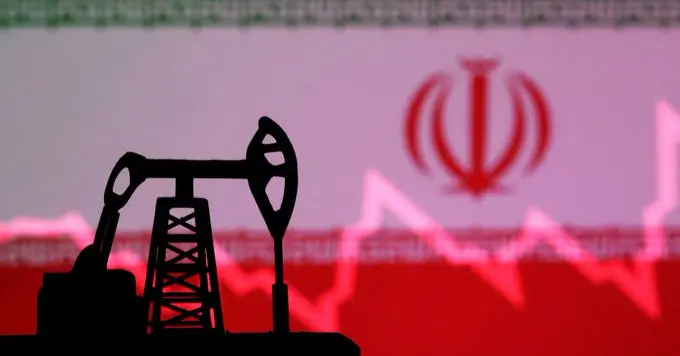
Oil markets react to rising tensions after U.S. and Israeli attacks involving Iran. Photo: @Reuters
March 1, 2026 Hour: 5:55 am
Escalation threatens global supply as Iran signals restrictions in the Strait of Hormuz.
Global oil markets entered a period of heightened uncertainty following Saturday’s military attack carried out by the United States and Israel against Iran, a key producer whose output is central to international energy supply.
RELATED: Iran Appoints Interim Council will assume the functions of Iran’s Supreme Leader
Iran possesses roughly 10 percent of the world’s proven crude oil reserves and produces close to 3.3 million barrels per day. The country ranks as the third-largest producer within the Organization of the Petroleum Exporting Countries (OPEC), accounting for approximately 4.5 percent of global production. Any disruption to its extraction or export capacity could generate immediate consequences for global supply chains.
Market analysts warn that sustained conflict could drive Brent crude — the European benchmark — to 100 dollars per barrel, an increase of more than 37 percent compared with Friday’s closing price of 72.48 dollars. Oil exports remain a central pillar of Iran’s economy, with between 80 and 90 percent of production shipped to China, its principal customer.
Raymond Torres, director of the Funcas economic analysis platform Coyuntura, stated that “if Iran’s production capacity were affected, this would reduce market supply, which would drive crude prices up to 100 dollars.”
Tensions intensified after reports indicated that Iran moved toward closing the Strait of Hormuz, one of the world’s most strategic maritime corridors, through which nearly 20 percent of global oil consumption transits. According to Reuters, Iran’s Islamic Revolutionary Guard Corps (IRGC) ordered that “no ship is allowed to pass the Strait of Hormuz,” while vessels navigating the Gulf reported receiving direct warnings restricting passage through the waterway.
Economists warn that a prolonged confrontation could extend beyond energy markets, increasing gasoline prices, transportation costs and global logistics expenses — dynamics described as “second-round effects” capable of amplifying inflationary pressures worldwide.
Financial markets are expected to respond with volatility at the start of trading sessions. Gold traditionally rises during geopolitical instability, while Bitcoin fell by three percent following news of the attack, trading near 63,000 dollars.
In an interview with teleSUR’s multiplatform news service, international analyst Txema Sanchéz said the U.S. population would face significant economic consequences resulting from Washington’s actions. He argued that financial elites would benefit from wartime dynamics while working-class sectors could bear the impact of an economic crisis potentially surpassing those linked to previous conflicts.
As tensions continue to unfold in a region critical to global energy flows, concerns are mounting over supply stability and the broader economic repercussions of escalating military confrontation.
Author: MK
Source: Agencies
