


Mojtaba Khamenei Vows Revenge for Iranians Killed in U.S.-Israeli Attacks
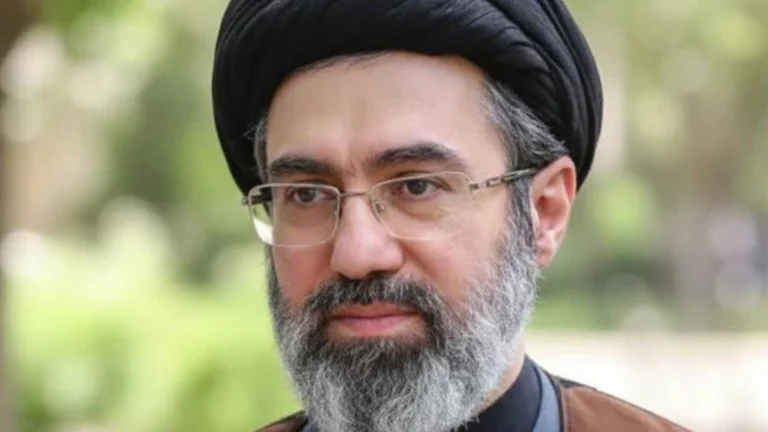
Ayatollah Mojtaba Khamenei. X/ @ImranAb37570015
March 12, 2026 Hour: 10:18 am
The Strait of Hormuz will remain closed, he vowed.
On Thursday, Iran’s Supreme Leader Mojtaba Khamenei issued his first official statement, warning the United States and Israel that the Persian nation “will not hesitate” to avenge the deaths of its martyrs.
RELATED:
Israel Kills 24 Lebanese in Nighttime Offensive
Among them is his father and predecessor, Ayatollah Ali Khamenei, who was assassinated on February 28, when the U.S.-Israeli war on Iran began.
Mojtaba Khamenei also confirmed that the Strait of Hormuz will remain closed, without specifying a date for the resumption of normal maritime traffic in that region.
In a message broadcast on state television, he thanked “the people of Iran from all walks of life who stood against the enemy,” also expressing his solidarity with all those who “lost their loved ones during the war.”
“Crimes against humanity and against children… will not be ignored,” the Iranian Supreme Leader emphasized, calling on the population to remain united in the face of foreign aggression.
“We have to protect this unity, and this is only possible when we are together and find common ground,” he said.
Mojtaba Khamenei indicated that the Islamic Republic does not seek to dominate or exert colonial influence in the region. On the contrary, it is interested in maintaining “warm relations” with all neighboring countries.
WHO IS MOJTABA KHAMENEI?
Mojtaba Khamenei was born in the Iranian holy city of Mashhad in 1969. After Iran’s Islamic Revolution in 1979, his family moved to the Iranian capital Tehran.
After graduating from high school, he joined the Islamic Revolution Guard Corps (IRGC) and served during the final stages of the Iran-Iraq War. He later pursued religious studies in the central Iranian city of Qom and then became a political aide to his father.
Mojtaba Khamenei has long assisted his father in handling important state affairs, has a “deep understanding” of major administrative matters, and maintains working relationships with numerous senior officials across successive governments as well as senior military commanders, according to Iranian media reports.
In 2019, during Donald Trump’s first term as the U.S. president, the U.S. government placed Mojtaba Khamenei on its sanctions list, citing his role in carrying out some of the responsibilities of Iran’s supreme leader.
For years, he has been widely regarded as a leading contender to succeed his father, though he has kept a low public profile.
WHY MOJTABA KHAMENEI?
A member of Iran’s Assembly of Experts said that Mojtaba Khamenei’s selection as the country’s new supreme leader was approved “by the majority of the Assembly of Experts.”
Mojtaba Khamenei has spent years building influence within Iran’s political and security apparatus. Palestinian political analyst Abdul Qader Hammad of Al-Aqsa University in Gaza noted his close ties to the IRGC, which bolster his credibility and make it possible to secure support from hardline factions.
Familiarity with Iran’s political system also works in Mojtaba Khamenei’s favor. Hammad said that, having served as a key aide to the supreme leader for many years, Mojtaba Khamenei understands the processes behind major policy decisions, which could help facilitate a smooth transition of power.
In times of crisis, Iranian authorities have historically favored leaders who are trusted and capable of maintaining political continuity. As the son of long-serving Supreme Leader Ali Khamenei, Mojtaba Khamenei is widely seen as someone who could preserve the current trajectory of the country during uncertain times.
GLOBAL REACTIONS TO HIS APPOINTMENT
Following the announcement, Iran’s IRGC immediately pledged allegiance to the new supreme leader, voicing its readiness to follow his instructions.
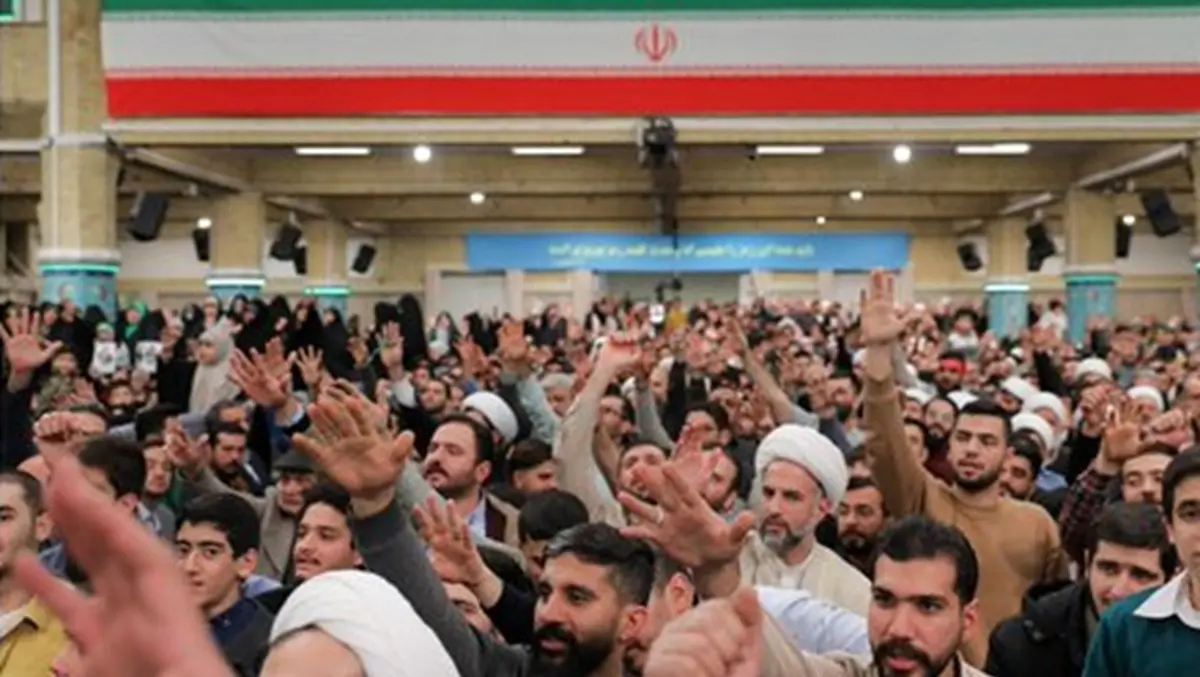
Iranians on Monday attended large gatherings across the country to pledge allegiance to the Mojtaba Khamenei.
Yemen’s Houthi group, which is backed by Iran, on Monday welcomed the decision, describing the move as a sign of unity and strength within the Islamic Republic.
Iraqi Prime Minister Mohammed Shia’ al-Sudani on Monday extended his best wishes to the newly elected supreme leader, voicing Iraq’s solidarity with Iran.
Oman’s Sultan Haitham bin Tariq Al Said on Monday congratulated Mojtaba Khamenei on his appointment as Iran’s new supreme leader.
Russian President Vladimir Putin sent a congratulatory message to Mojtaba Khamenei on Monday, stating that Russia has been and will remain a reliable partner of Iran.
A Chinese foreign ministry spokesperson said on Monday the election of Mojtaba Khamenei as Iran’s third supreme leader was a decision based on the country’s constitution.
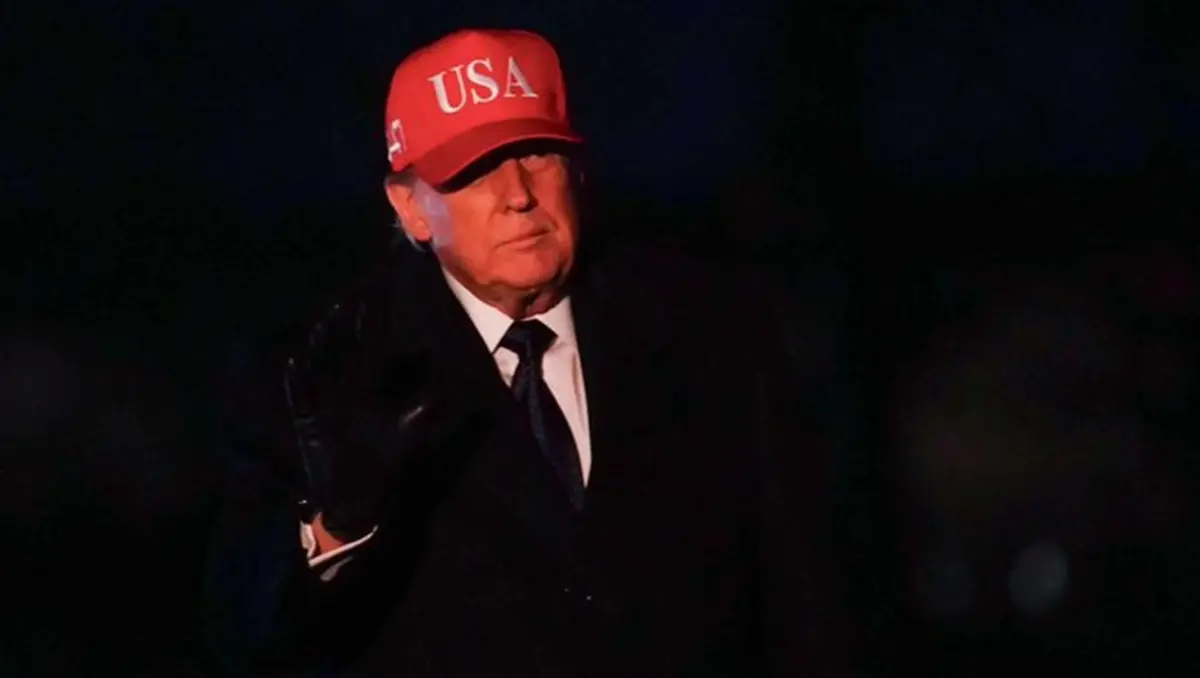
U.S. President Trump has told U.S. news website Axios that it is “unacceptable” for Mojtaba Khamenei to become Iran’s new leader, noting that he himself must be personally involved in selecting Iran’s next leader.
teleSUR/ JF
Sources: Express – EFE – Xinhua