




Iran War Day 15: Shocking Escalation Targets Oil Hub Kharg Island
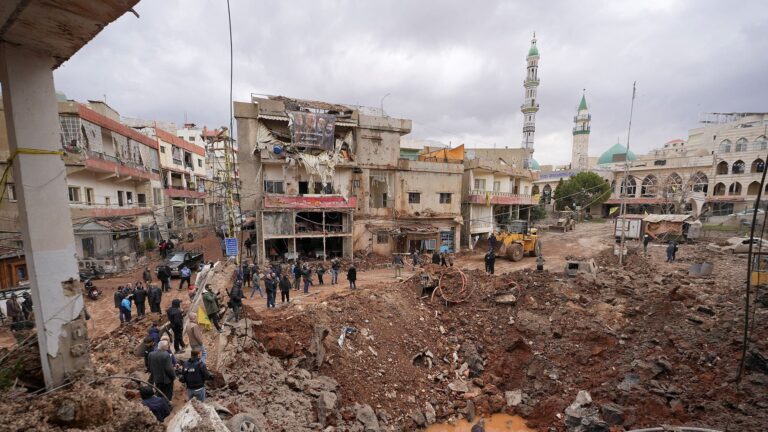
Smoke billows from Kharg Island on Iran War Day 15 (March 14, 2026) following US airstrikes on military targets, as Washington warns of potential attacks on oil infrastructure if Iran disrupts shipping through the Strait of Hormuz.
March 14, 2026 Hour: 10:21 am
Iran War Day 15 2026 sees US strikes on Kharg Island oil hub while Trump warns of further attacks if Tehran disrupts Hormuz shipping. Iran vows retaliation as casualties exceed 1,400 and regional bases face missile fire.
Related: Iran Warns of Retaliation Against U.S.-Linked Energy Infrastructure
Iran War Day 15: US Strikes Kharg Island Amid Escalating Conflict
Tehran/Washington, March 14, 2026 — The US-Israel military campaign against Iran entered its fifteenth day with American forces striking military targets on Kharg Island, the Persian Gulf hub through which approximately 90 percent of Iran’s crude oil exports pass. President Donald Trump announced the operation, describing Kharg as Iran’s “crown jewel” but stating that oil infrastructure had been deliberately spared—for now.
“We hit military sites, not the oil terminals,” Trump said in a public address. “If Iran interferes with shipping through the Strait of Hormuz, those facilities will be next.” The warning followed Iran’s repeated threats to close the strait in response to attacks on its territory.
Kharg Island hosts critical loading terminals, storage tanks, and naval defenses. While the strikes focused on military installations, Iranian officials reported damage to nearby support infrastructure, raising fears of production disruptions.
Since the campaign began on February 28, US and Israeli forces have conducted thousands of airstrikes across Iran, targeting missile sites, command centers, air defenses, and leadership gatherings. The Islamic Revolutionary Guard Corps (IRGC) has retaliated with waves of ballistic missiles and drones aimed at Israeli military bases and US assets in Iraq, Syria, Bahrain, Qatar, and Saudi Arabia.
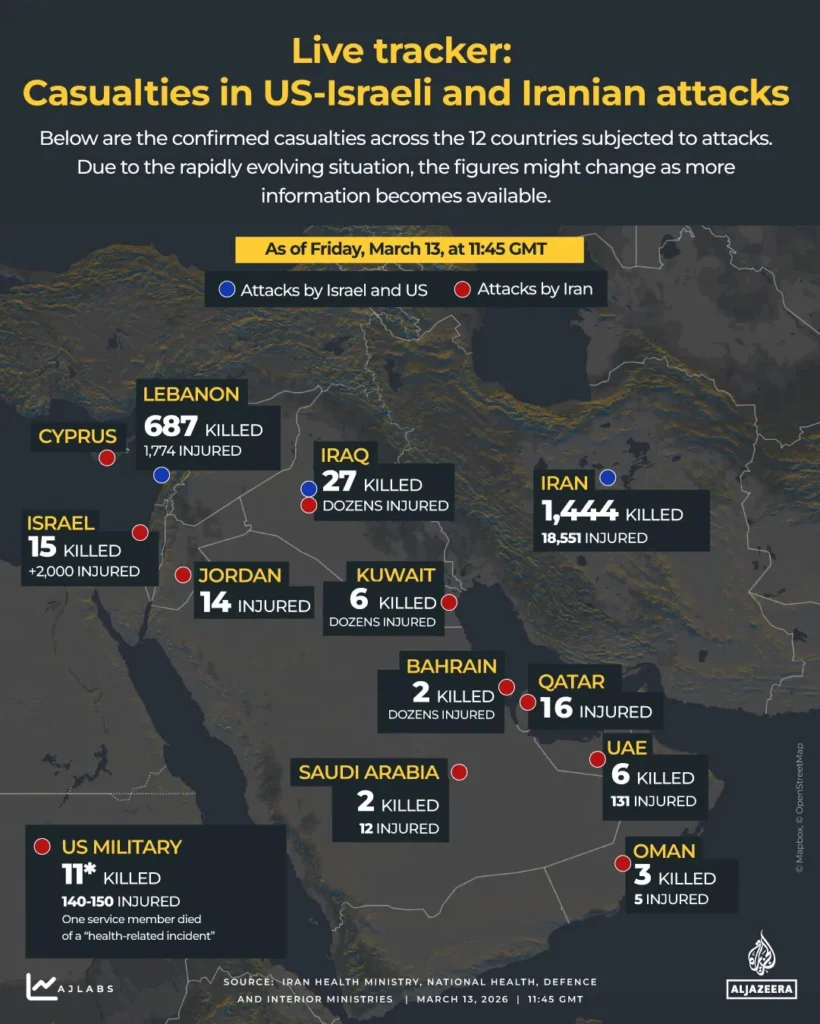
Casualty figures continue to climb. Iranian authorities report at least 1,444 deaths and 18,551 injuries from US-Israel attacks since late February, with civilian tolls rising as strikes reach populated areas.
Geopolitical Context
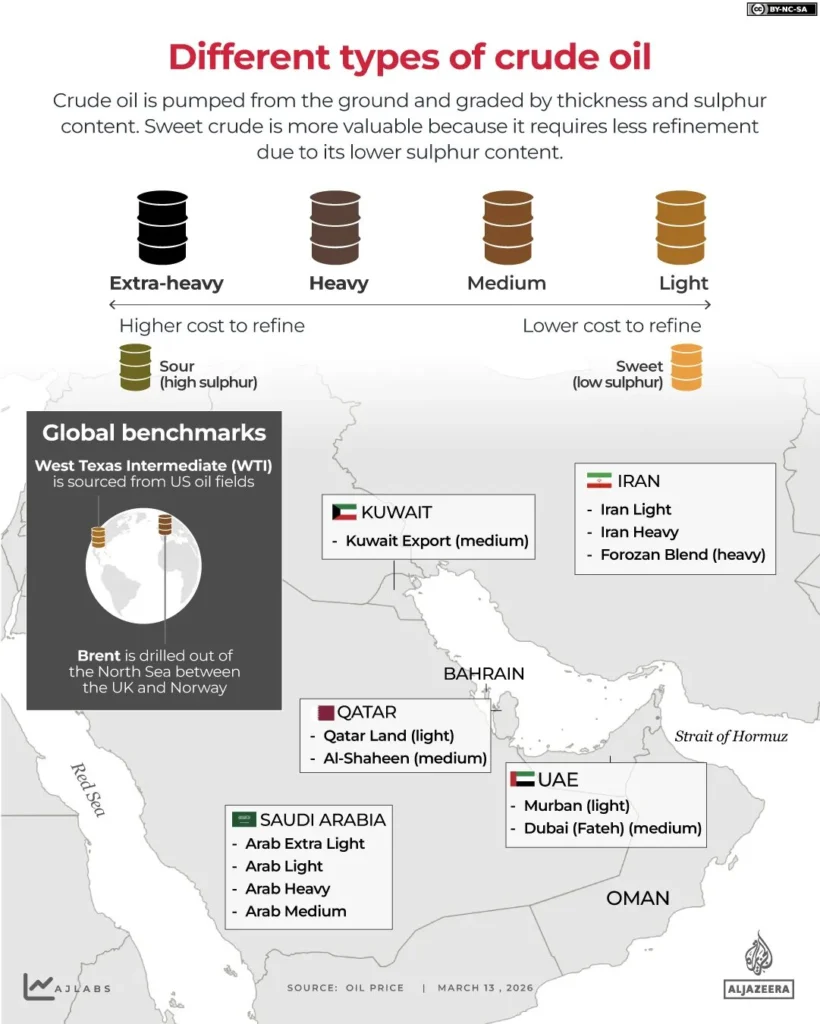
Iran War Day 15 marks a critical phase in one of the most dangerous confrontations in the Middle East since the 1991 Gulf War. The targeting of Kharg Island directly threatens global energy markets, as the island handles the majority of Iran’s daily crude exports—roughly 1.5–2 million barrels. Any sustained disruption could spike oil prices beyond current levels, exacerbating inflation worldwide and pressuring economies already strained by previous shocks. Regionally, the conflict has drawn in proxies and neighbors: Hezbollah in Lebanon, Iran-aligned groups in Iraq, and Houthi forces in Yemen have intensified attacks, while Saudi Arabia, Qatar, Bahrain, and Oman report interceptions of incoming projectiles. Diplomatically, the US faces growing isolation as India, France, Italy, and other nations bypass Washington to negotiate directly with Tehran for safe passage through the Strait of Hormuz. The war tests the limits of deterrence, risks broader escalation involving Russia and China, and challenges international law on preemptive strikes and energy infrastructure targeting.
Escalation on Multiple Fronts in Iran War Day 15
In Iran, the IRGC claimed coordinated missile and drone strikes against Israel, executed in partnership with Hezbollah as part of annual Al-Quds Day commemorations supporting the Palestinian cause. Tehran described the actions as defensive and proportionate.
US Secretary of Defense Pete Hegseth stated he believes Iran’s new Supreme Leader, Mojtaba Khamenei, was wounded in earlier strikes. “We know the new so-called, not-so-supreme leader is wounded and likely disfigured,” Hegseth said, without providing evidence.
The US State Department announced a $10 million reward for information leading to the capture or confirmation of the whereabouts of Mojtaba Khamenei and other senior officials.
Iranian state media reported ongoing defensive operations, with air defenses engaging incoming threats across multiple provinces. Civilian areas have suffered collateral damage, including schools and residential zones in southern Iran, contributing to the rising death toll.
In Israel, the military reported conducting approximately 7,600 strikes inside Iran and 1,100 in Lebanon since February 28. Smoke was observed rising from locations near Tel Aviv after Iranian missile warnings, though no immediate casualties were confirmed from those impacts.
For the latest IDF operational summary, see Israel Defense Forces official updates.
Additional reporting on Kharg Island strikes and US statements appears in Al Jazeera coverage.
Regional Spillover and Economic Shockwaves
The conflict has spilled across the Gulf. Saudi Arabia intercepted and destroyed six drones—five in the eastern region and one over the Empty Quarter desert. Qatar’s armed forces downed an incoming missile, prompting temporary evacuations and heightened alerts. Bahrain activated sirens and directed residents to shelters.
Oman reported two civilian deaths from falling drone debris. Sultan Haitham bin Tariq and Qatar’s Emir Sheikh Tamim bin Hamad Al Thani held talks urging de-escalation and dialogue.
In Iraq, a missile struck a helipad at the US Embassy in Baghdad’s Green Zone, destroying part of the air defense system. Smoke rose from the site, though no immediate US casualties were reported. Iraq’s Prime Minister Mohammed Shia al-Sudani pledged to prevent further attacks after a French soldier was killed in a drone strike in the Kurdish region.
Economic fallout continues to widen. Oil prices surged as markets priced in disruption risks. Canada announced the release of 23.6 million barrels from strategic reserves as part of a coordinated International Energy Agency effort.
Aviation costs rose sharply. Major Indian carriers, including Air India and IndiGo, increased fares to offset higher aviation turbine fuel prices driven by geopolitical instability.
Formula One races in Bahrain (April 10–12) and Saudi Arabia (the following week) face cancellation or rescheduling due to security concerns.
In Lebanon, Israeli attacks have killed at least 773 people since March 2, according to the Health Ministry. A strike on a healthcare center in Borj Qalaouiye killed 12 medical workers, drawing condemnation. An Israeli shell hit a Nepalese UNIFIL base in Meiss el-Jabal.
Hezbollah leader Naim Qassem vowed a “long confrontation” with Israel, framing the conflict as legitimate defense against prolonged abuses.
Iran War Day 15 underscores the conflict’s broadening scope and deepening economic consequences. With Kharg Island now in the crosshairs and regional states intercepting projectiles, the risk of a wider energy and security crisis grows daily. As casualties mount and diplomatic channels narrow, the coming days will test whether military pressure yields strategic gains or fuels a spiral of retaliation that could engulf the Gulf and beyond. The war’s trajectory remains uncertain, but its impact on global stability and energy security is already undeniable.
Author: JMVR
Source: Aljazeera
