


Ecuador Launches “Operation Total Offensive”, as Homicide Rates Soars
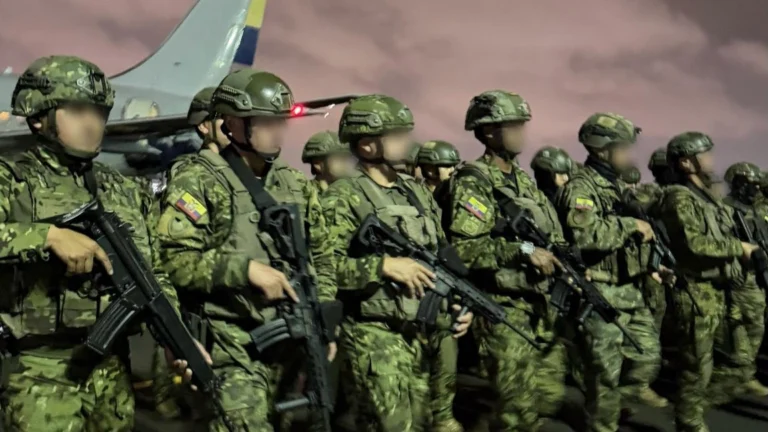
Photo: Defense Ministry of Ecuador.
January 16, 2026 Hour: 4:05 am
Ecuador launches a major military operation with 10,000 soldiers to combat crime in coastal provinces.
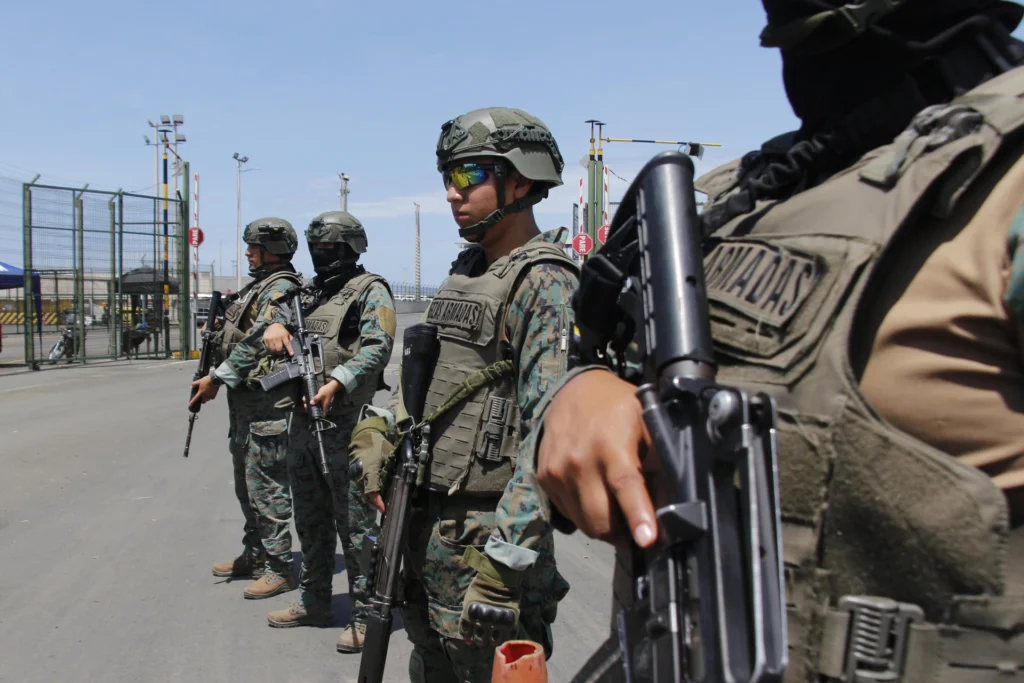
The Ecuadorian Government launched a major military operation on January 15, deploying approximately 10,000 soldiers to three coastal provinces in a move to combat criminal organizations, as the country remains one of the most violents in the region.
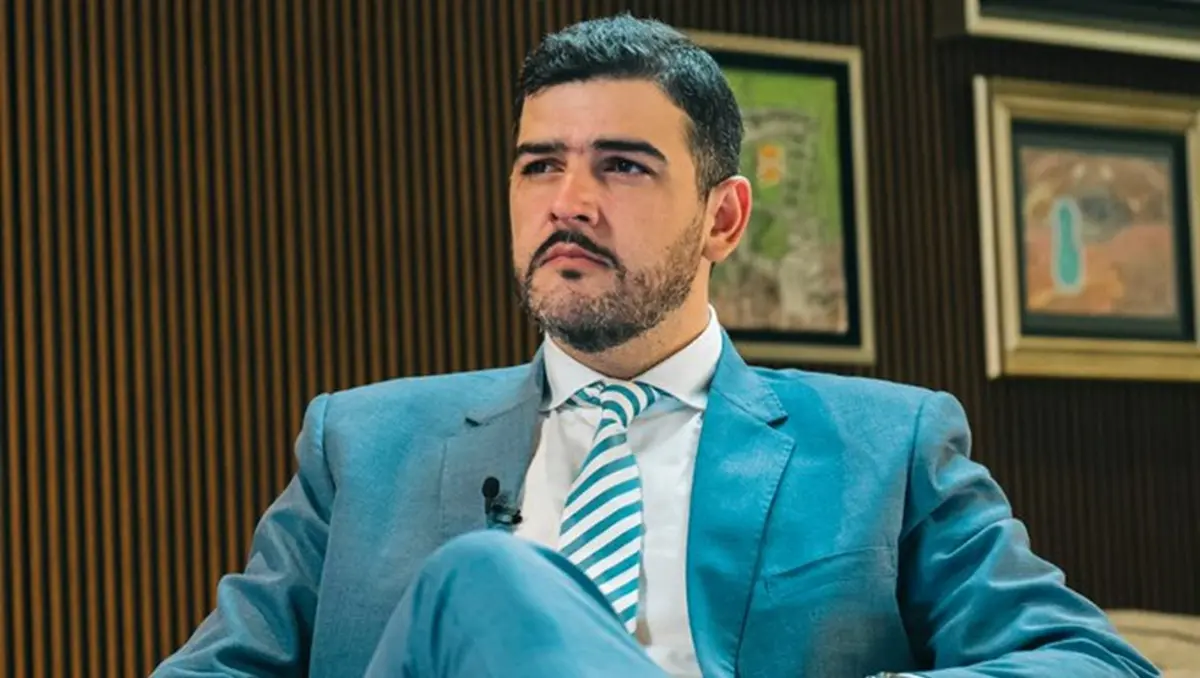
Dubbed “Operation Total Offensive“, the initiative targets the provinces of Guayas, Los Rios and Manabi. Defense Minister Gian Carlo Loffredo announced that the military high command will be stationed indefinitely in Guayas, the epicenter of the violence, to direct the campaign.
RELATED: Ecuador Limits Border Crossings With Peru and Colombia to One Checkpoint Each
“Prison or hell” will be the fate of those who endanger the security of Ecuadorian families, the Defense Ministry warned in a statement. The operation’s specific objectives are classified, with interventions based on military intelligence in prioritized sectors.
Text reads: “Mass raids are supervised by the Ministers of Defence and Interior. The Security Block performs simultaneous interventions in the ports of Guayaquil, Naportec and TPG. The Armed Forces, with special teams and anti-drug canes, carry out massive raids on containers in order to strike at the narco-trafficking networks.”
The increase in violent deaths has persisted despite militarization measures, states of exception, and other provisions adopted by the government of President Daniel Noboa.
Ecuador recorded over 9,000 murders in 2025 -a homicide rate of approximately 52 per 100,000 inhabitants, surpassing rates in nations with protracted internal conflicts.
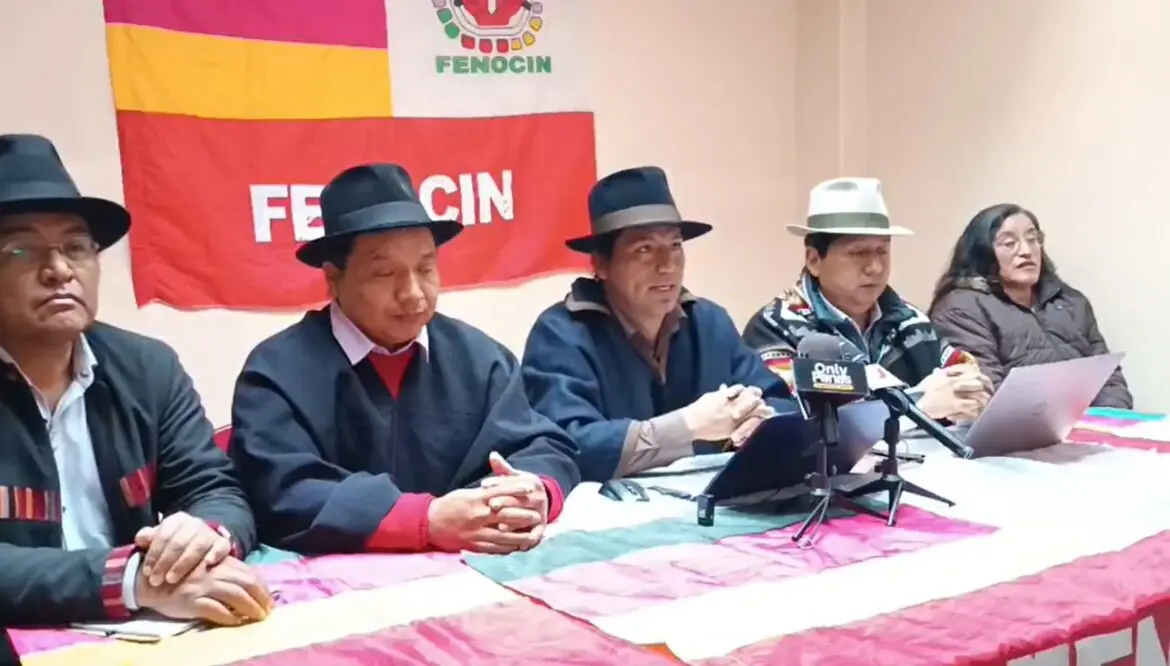
Human rights organizations and activists have strongly questioned these policies, pointing out that they have led to abuses, arbitrary detentions, and forced disappearances. For these sectors, the official strategy focuses on the use of force without addressing the structural causes of violence, such as social inequality, lack of opportunities, and the penetration of drug trafficking into institutions.
Author: Victor Miranda - LVM
Source: agencies