




Casabe Is Cultural Heritage of Latin America
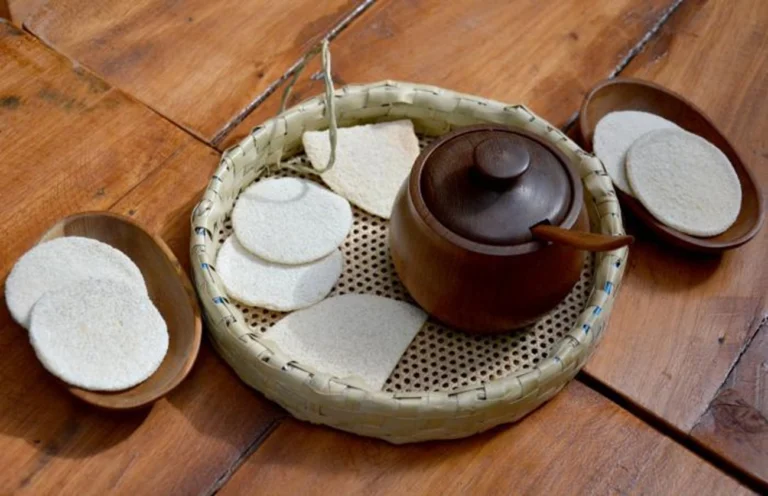
Cassava dish. X/@Granma_Digital.
March 11, 2026 Hour: 9:42 am
Haiti, Venezuela, the Dominican Republic, Honduras, and Cuba prepared a multinational dossier for UNESCO.
In 2024, the United Nations Educational, Scientific, and Cultural Organization (UNESCO) declared casabe, a crispy flatbread made from cassava, an Intangible Cultural Heritage of Humanity, recognizing ancestral knowledge and community practices transmitted through generations.
RELATED:
A Sensory Journey through Essential Caribbean Ingredients
Casabe is an ancestral food of the indigenous peoples of the Americas, widespread in Cuba and Latin America. There’s a Cuban proverb, “when there’s no bread, casabe,” that means both resignation in the face of scarcity and creativity in finding solutions.
Haiti, Venezuela, the Dominican Republic, Honduras, and Cuba prepared the multinational dossier for UNESCO, highlighting cultural cooperation and diversity in production methods, from primitive techniques to modern processes.
Archaeology places casabe’s origins in Venezuela, near the Orinoco River, where native communities made it by scraping cassava on boards notched with stones, bones, and thorns, transforming it into a compact and durable dough.
During the Spanish colonization, initially despised, casabe became an essential food due to wheat scarcity, as it could be preserved for months when dry; later, African slaves learned its preparation and spread it throughout the Caribbean.
The text reads, “It was a pleasure to attend the presentation of the 2024 Entrepreneur of the Year Award, sponsored by OnCuba and the Embassy of Ukraine in Cuba. Yucasabi, a cassava bread producer, was awarded for innovation, social contribution, and efficient business model.”
In Cuba, the indigenous people incorporated casabe into their diet, and during the 19th century, it was part of the sustenance of the Mambi army in the wars of independence, which consolidated its historical and patriotic value.
Anne Lemaistre, director of the UNESCO Regional Office in Havana, highlighted that the inscription celebrates the transmission of practices and multinational cooperation. Meanwhile, Angel Michel Aleaga, a specialist from the National Council of Cultural Heritage (CNPC), emphasized its nutritional benefits.
Dulce Maria Buergo, president of the Cuban Commission for UNESCO, emphasized safeguarding plans, regional inventories, and agricultural support to preserve the tradition, health benefits, and sustainable marketing of cassava bread.
The Yucasabi restaurant in Havana Vieja promotes school workshops and cultural projects such as the “Cassava Alley,” while Cuba organized the International Cassava Festival in 2025, ensuring the continuity of this gastronomic heritage.
teleSUR: JP
Source: Granma
