


Bolivia Resolves Fuel Subsidy Protests With New Social Decree
Bolivia ended fuel subsidy protests after a new decree preserved higher fuel prices while introducing wage increases and social measures agreed with unions.
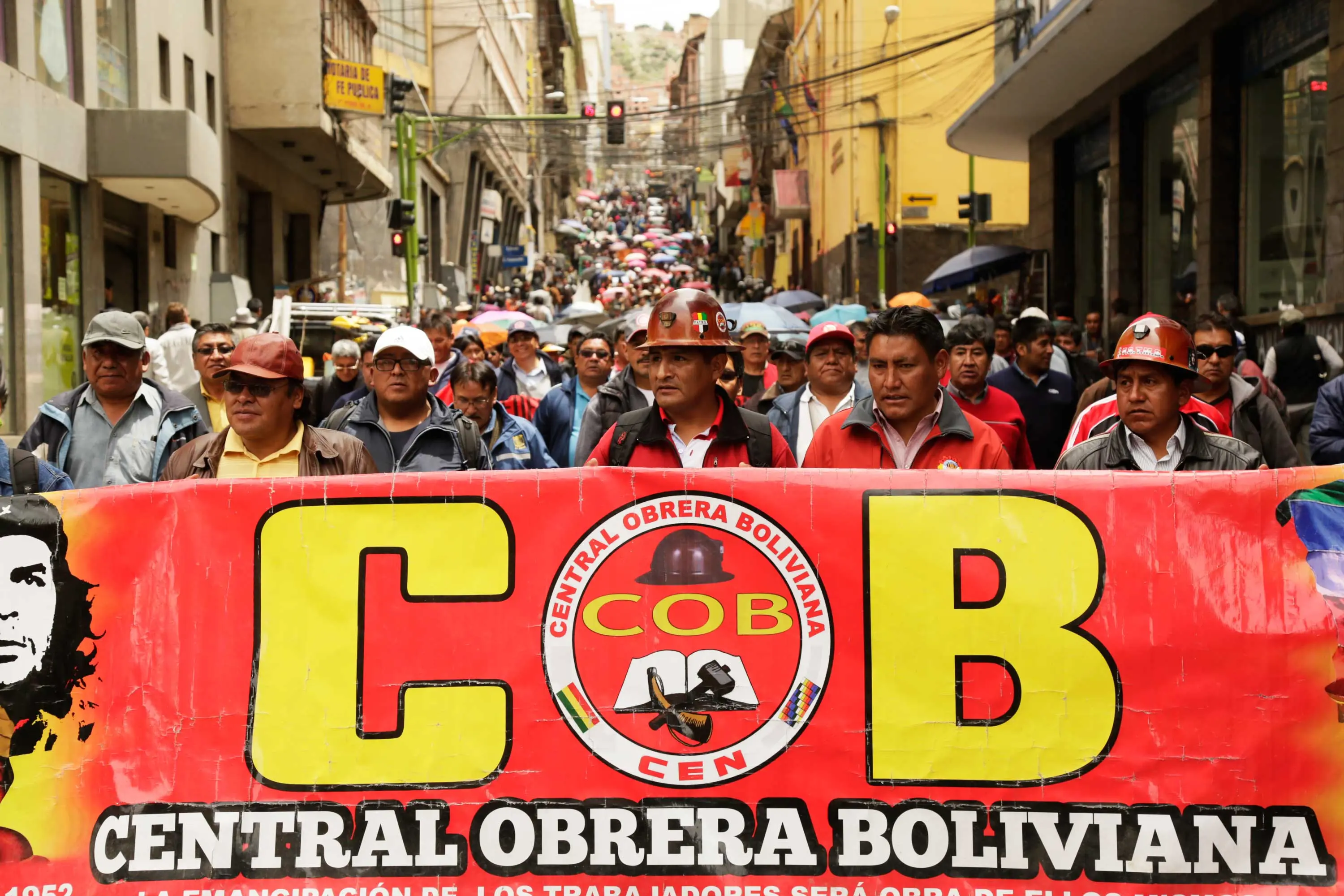
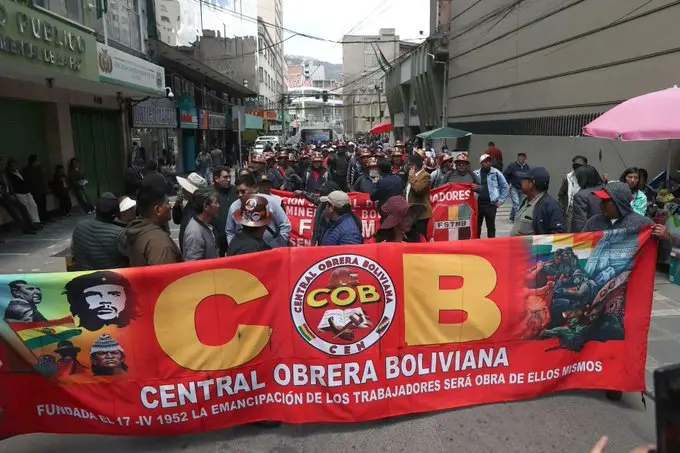
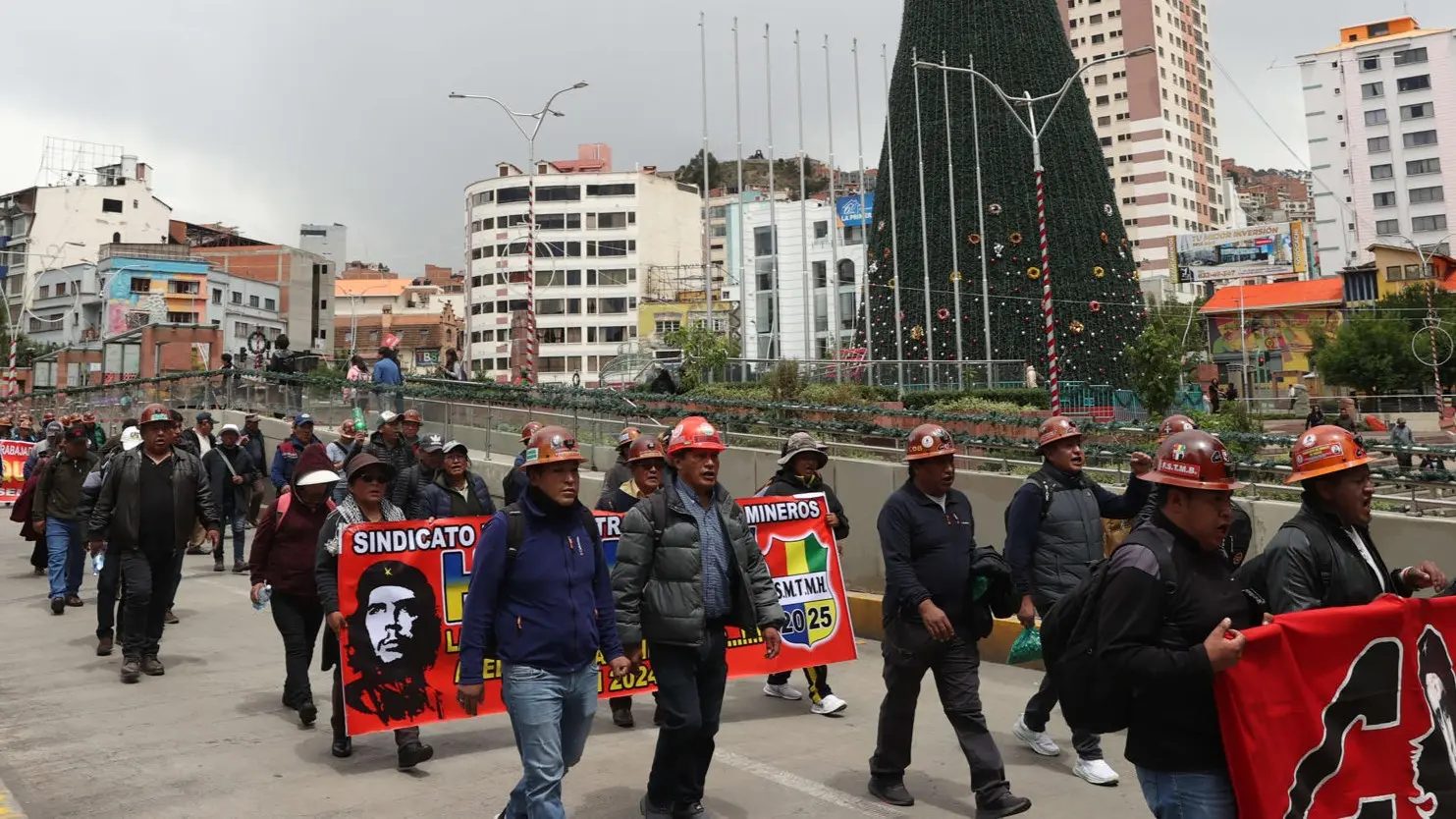
Bolivian workers and social organizations mobilize during protests over fuel subsidy reforms prior to the approval of a new decree. Photo: @France24_es
January 14, 2026 Hour: 5:08 am
Bolivia’s government and major labor unions have ended nationwide protests over fuel subsidies after adopting a new decree that upholds higher fuel prices while adding negotiated wage increases and social measures.
RELATED:
Bolivian Government Repeals Decree That Eliminated Gasoline Subsidies
The conflict was formally resolved on Tuesday with the enactment of Supreme Decree 5516, which repeals Decree 5503 and incorporates agreements reached between the government and the Bolivian Workers’ Center (COB). The dispute followed the government’s decision to lift long-standing fuel subsidies, a move that triggered road blockades and protests across the country.
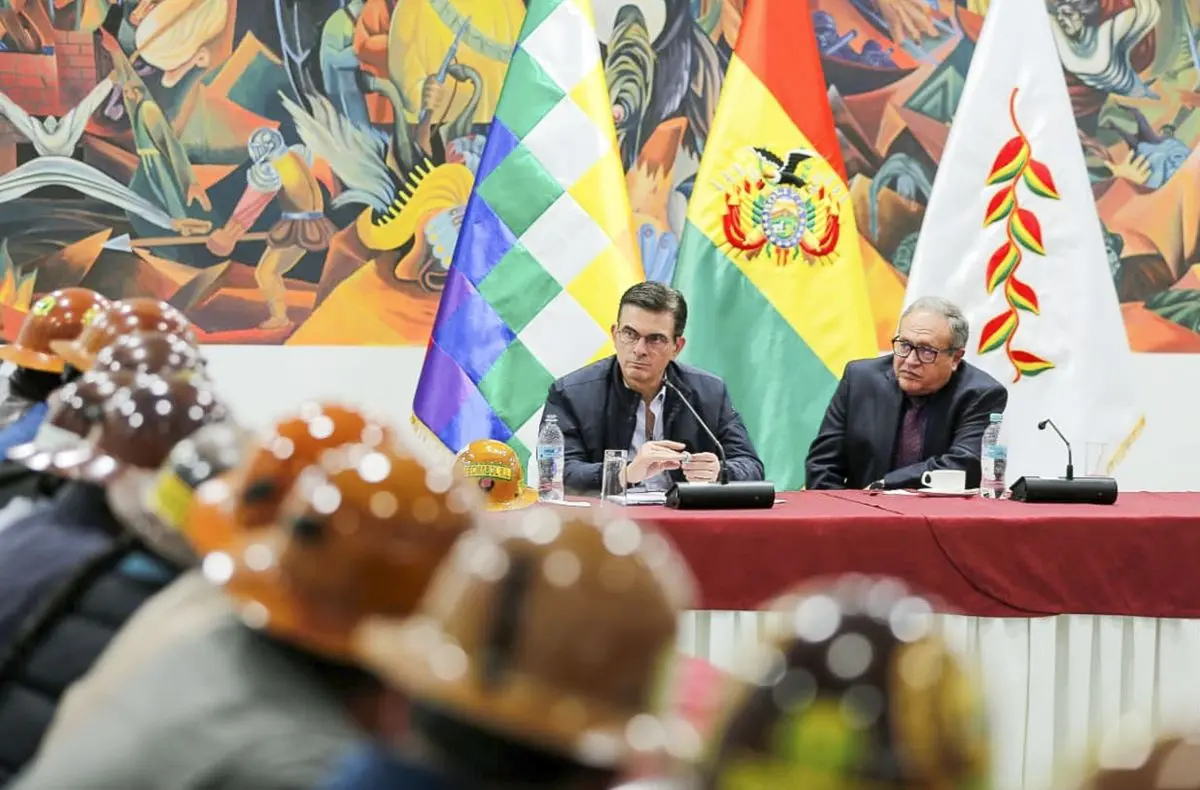
Decree 5516 maintains the removal of fuel subsidies but includes social measures agreed upon with mobilized sectors. These include an increase in the national minimum wage from 2,750 to 3,300 bolivianos, equivalent to 395 and 474 U.S. dollars, respectively, as well as higher bonuses for schoolchildren and older adults. Government officials and union leaders reached these agreements during negotiations held on Sunday.
COB Executive Secretary Mario Argollo confirmed the suspension of protests, stating, “The objective has been achieved,” and adding that “through the enactment of this decree and the repeal of 5503, all pressure measures nationwide are immediately suspended.” Road blockades that began the previous Tuesday were gradually lifted starting Sunday, with the last obstructions removed on Tuesday in the departments of Cochabamba and Santa Cruz.
Labor unions had rejected Decree 5503, issued in December 2025, which set new fuel prices at 6.96 bolivianos per liter for special gasoline, 11 bolivianos for premium gasoline, and 9.80 bolivianos for diesel. These figures represented increases of up to 162 percent compared to subsidized prices in place for more than two decades. Although Decree 5516 repeals the earlier regulation, the fuel prices established under Decree 5503 remain in effect.
Minister of the Presidency José Luis Lupo said that dialogue with more than 160 social sectors, including the COB, allowed the government to preserve the core elements of the policy. “The core of Decree 5503 has been maintained in 5516, which is the lifting of subsidies, social stability, zero tariffs, and debt rescheduling,” he said. Lupo added, “The substance has been preserved, the form has been modified, the country has been unblocked,” and warned that those who persist with pressure actions “clearly have another intention.”
Social movements, historically aligned with the governments of Evo Morales (2006–2019) and Luis Arce (2020–2025), also criticized Decree 5503, arguing that it could pave the way for the privatization of natural resources and state-owned companies. The government rejected those claims.
According to official sources, the removal of fuel subsidies will generate savings of approximately 10 million U.S. dollars per day for the Bolivian state, resources that authorities say will be redirected toward social policies.
Author: MK
Source: teleSUR