


Argentina Approves Labor Reform After Divisive Senate Vote
Argentina enacts sweeping labor reform changing hiring, severance rules, and union financing after a polarized Senate vote.
February 28, 2026 Hour: 1:57 am
Argentinean Government-backed overhaul reshapes labor rules amid opposition warnings of legal and social consequences, amid a strong rejection of population.
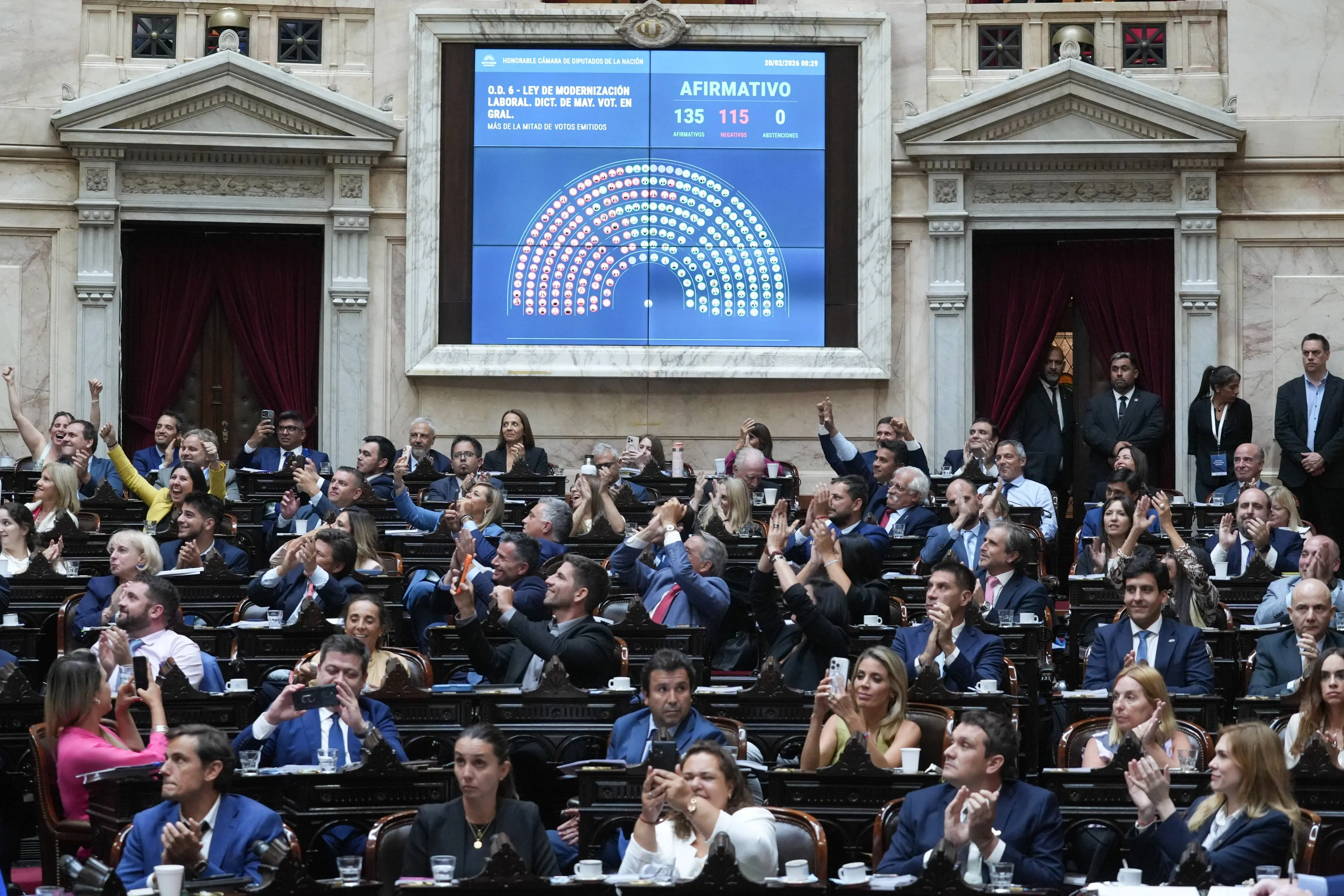
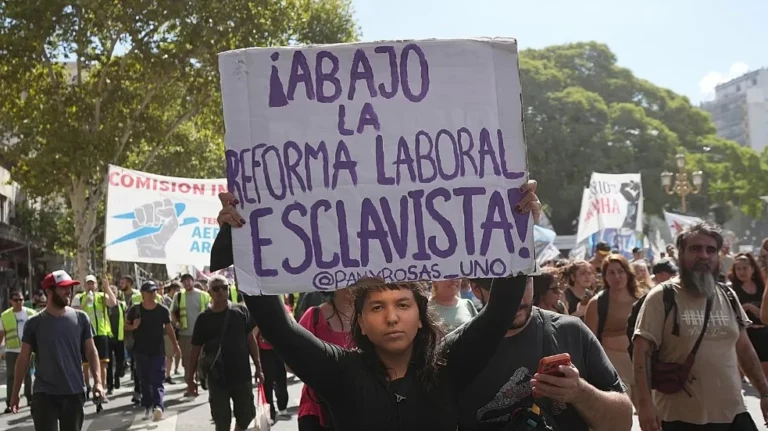
Argentina’s Senate approved a comprehensive labor reform promoted by President Javier Milei’s administration, turning one of the government’s central economic initiatives into law after a contentious parliamentary debate and protests outside Congress.
RELATED: Argentina Approves Lowering the Imputability Age to 14
The bill passed with 42 votes in favor, 28 against, and two abstentions, repeating the same voting outcome recorded during its earlier Senate approval on February 12. The legislation returned from the Chamber of Deputies with amendments, including the removal of controversial Article 44, which proposed reductions affecting medical leave payments.
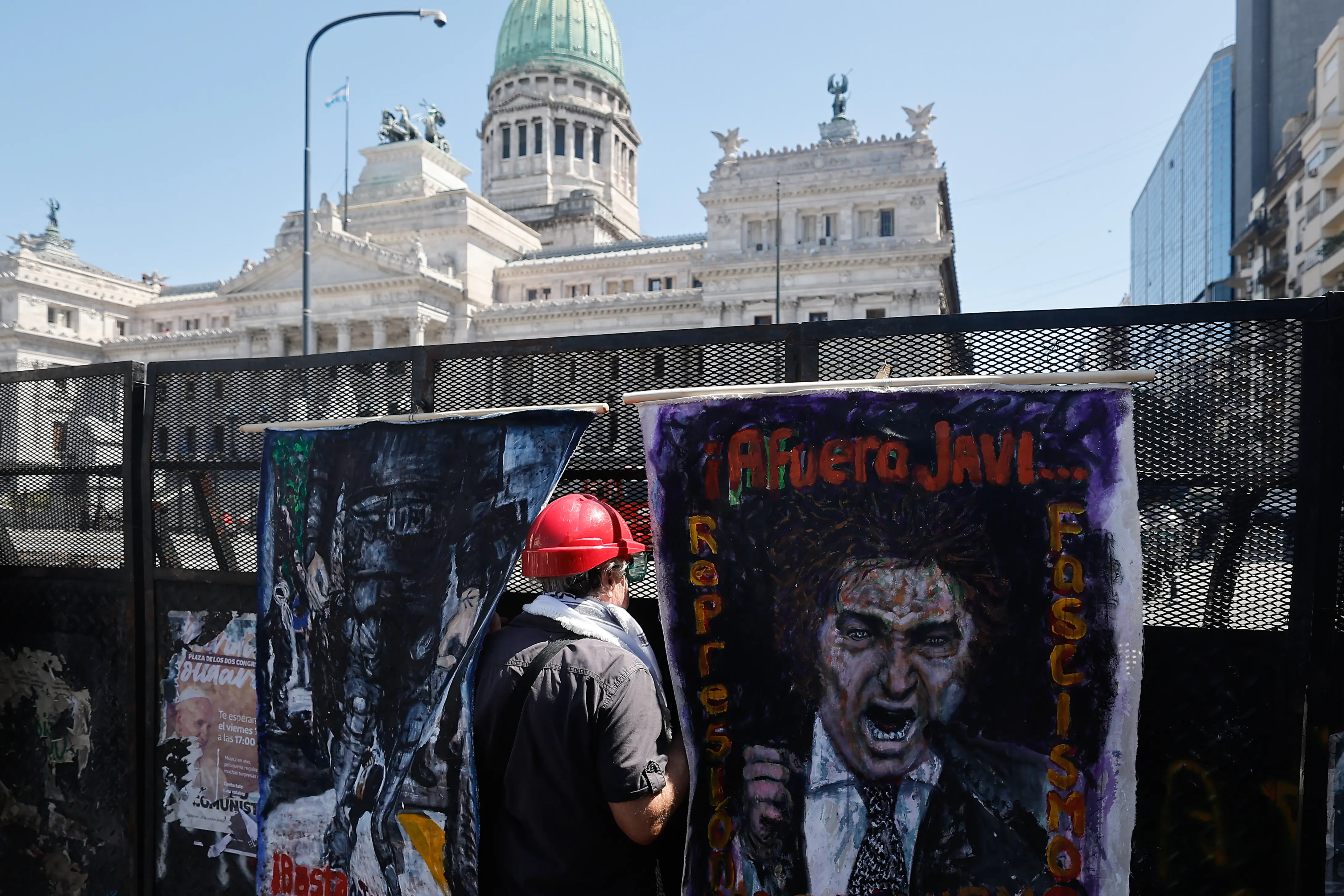
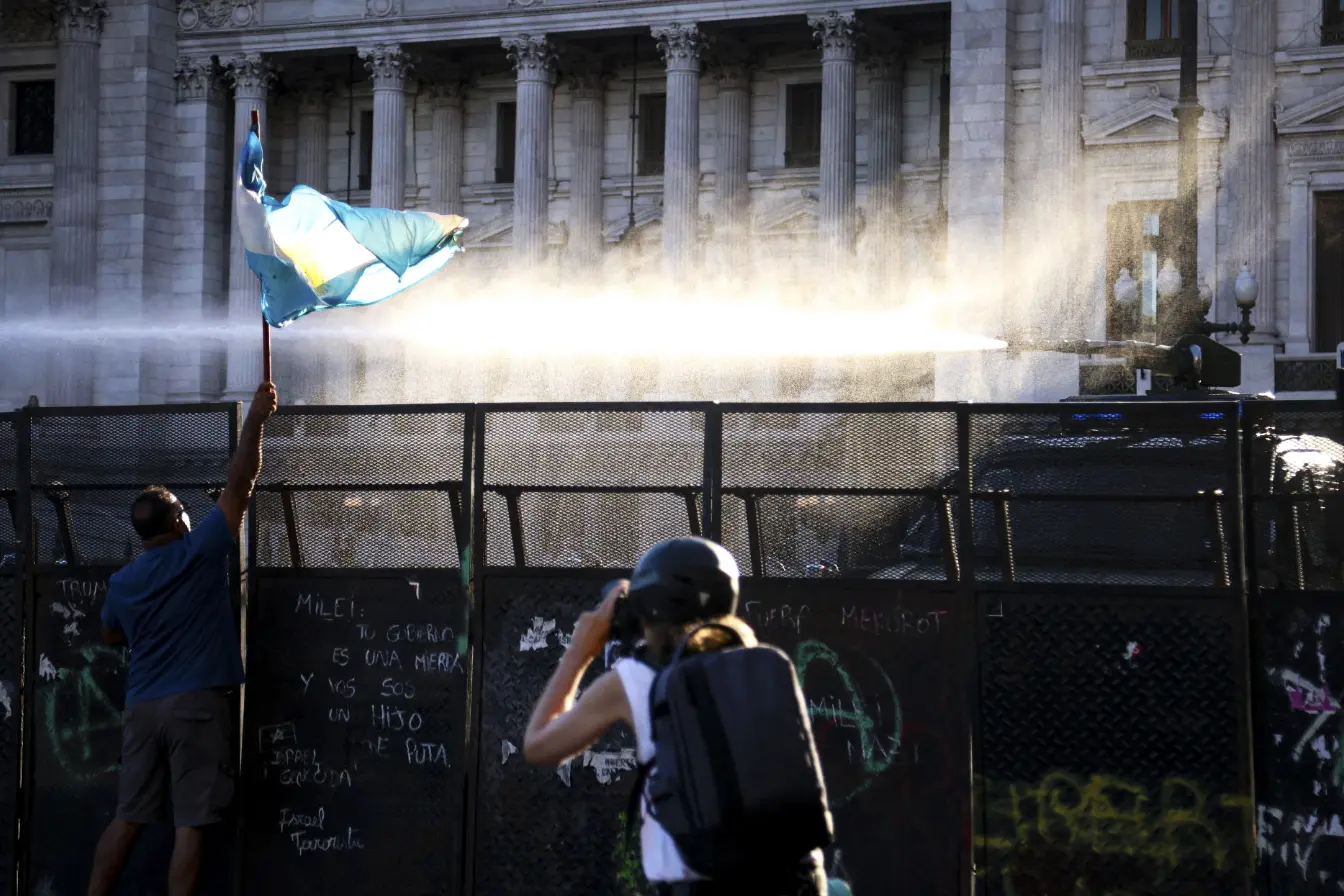
The debate took place following the approval of the Juvenile Criminal Regime Law and after demonstrations near the National Congress had been repressed by the police forces. The ruling far-right coalition prioritized securing votes by allowing extended speaking time for opposition lawmakers, resulting in a session with 20 speakers, half of them from the Justicialist bloc.
Text reads: “With 42 affirmative votes, 28 negative votes and 2 abstentions the bill on Modernization of Labor is approved.”
Opposition senators criticized both the content of the reform and the legislative process used to accelerate its approval. Senator José Mayans stated that lawmakers had “violated the legislative process” and argued the initiative would ultimately face judicial review, warning that the law “was born badly and will end badly.”
Senator Mariano Recalde also questioned the reform’s constitutional basis, saying the government “puts legal certainty at risk when proposing laws that violate the Constitution,” and warned the changes could increase litigation and generate uncertainty among investors.
Defending the initiative, right-wing Senator Patricia Bullrich and ex-Security Minister of the Government of Javier Milei- argued that Argentina’s labor system requires structural changes due to high levels of informality. “Reality shows a destroyed labor market,” she said, adding that millions of workers remain outside formal employment. Bullrich maintained that the reform seeks to reverse a system in which “unions are rich and workers are poor”, in a clear defense of an unequal system.
Main Components of the Labor Reform
The new legislation approved introduces wide-ranging modifications to private employment regulations, affecting hiring conditions, dismissal mechanisms, employer contributions, and union financing.
Key measures include:
- Revised severance payments: Compensation for unjustified dismissal will be calculated exclusively on regular monthly salary, excluding bonuses and vacation payments. Labor credits will be updated according to inflation (IPC) plus 3 percent annually.
- Extended probation periods: Trial employment periods expand to six months for most workers and up to eight months in companies with fewer than five employees, during which dismissal can occur without severance compensation.
- Labor Assistance Fund: Employers must contribute monthly to a termination assistance fund, with differentiated contribution rates for large companies and small and medium-sized enterprises.
- Alternative termination funds: Collective bargaining agreements may establish individual capitalization funds as an alternative to the traditional severance system.
- Removal of penalties for unregistered employment: Existing fines for informal or improperly registered labor are eliminated and replaced with incentives encouraging formalization.
- Working-time flexibility: Employers and workers may agree to hour-bank systems allowing overtime compensation while maintaining legally mandated rest periods.
- Flexible vacation arrangements: Vacation leave may be divided into periods of at least seven consecutive days by mutual agreement.
- Reduced employer contributions: The reform introduces contribution reductions aimed at promoting investment, modernization, and business expansion.
- Installment payment of labor rulings: Companies may pay labor court judgments in installments—up to six payments for large firms and twelve for smaller employers.
- Limits on union contributions and digital labor records: Caps are introduced on collective agreement contributions, automatic union fee deductions without worker consent are eliminated, and labor registration moves toward mandatory digital systems with bank-based salary payments.
The far-right Government of Javier Milei argues the reform will stimulate job creation and reduce informality, while opposition lawmakers maintain the legislation weakens labor protections and is likely to trigger judicial disputes.
The law now moves into the implementation phase under executive regulation.
Author: MK
Source: El Tiempo / Agencies