


Afghanistan’s Reintegration Into the UN Depends on the Lifting of Restrictions Against Women
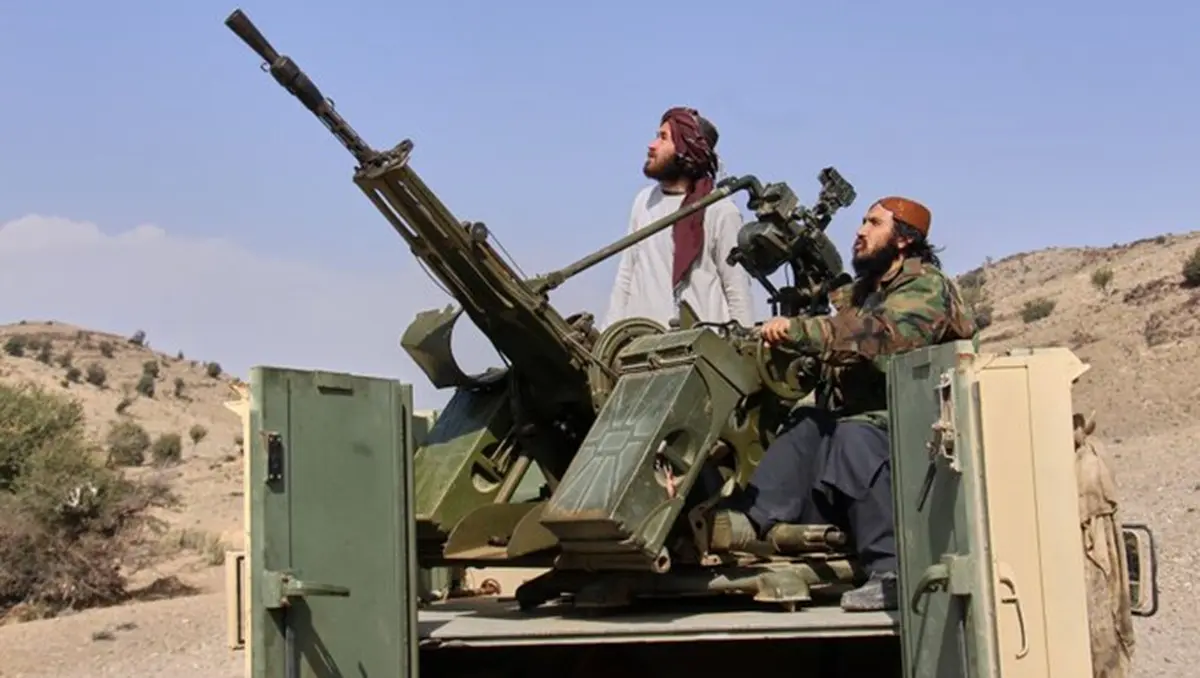
X/@VividProwess.
January 26, 2026 Hour: 10:57 am
The ban on women’s access to education, employment, and public life violates international human rights.
On Sunday, Rosemary DiCarlo, the United Nations Under-Secretary for Political Affairs, conditioned Afghanistan’s reintegration into the UN on the lifting of restrictions against women, following a meeting with Taliban officials in Kabul.
RELATED:
UN Warns of Increased Digital Violence Against Women
She expressed concern about limitations placed on female Afghan UN staff and the ban on women’s access to education, employment, and public life, urging the country to comply with its international obligations.
During meetings with the Foreign Affairs Minister Amir Khan Muttaqi and Interior Minister Sirajuddin Haqqani, DiCarlo called for full participation in the Doha Process and warned that political isolation would only end if women’s fundamental rights are guaranteed.
She also discussed narcotics, security, and the need for unimpeded humanitarian transit across the border to Pakistan with Haqqani, underscoring the urgent need for pragmatic international cooperation.
While DiCarlo stated that Afghan women working with the UN must return to their offices, Muttaqi demanded the release of frozen financial assets, arguing that they are necessary to support the private sector and facilitate the delivery of humanitarian aid in Afghanistan.
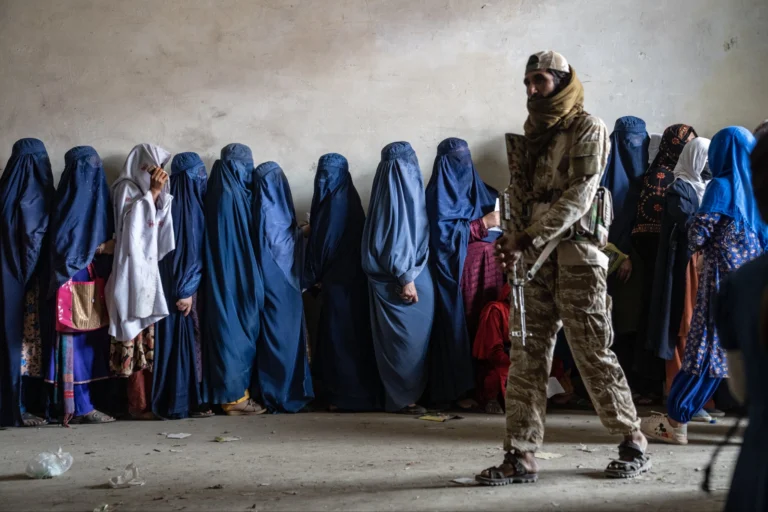
The United Nations Programme for Gender Equality and the Empowerment of Women (UN Women) warned that, four years after the Taliban’s return to power, Afghanistan faces the world’s most severe women’s rights crisis, with women and girls deprived of fundamental guarantees.
The organization noted that Afghanistan is moving toward a society that completely excludes women from public life and prohibits them from studying, working, and participating in politics, as well as restricting their mobility.
The limitations also include bans on studying medicine and receiving care from male doctors, which has led to a health crisis, increased maternal mortality, child marriage, and rampant violence.
While Afghanistan ranks second in the world for gender inequality, humanitarian crises, and widespread poverty disproportionately affect women, which solidifies a landscape of extreme vulnerability.
teleSUR: JP
Source: EFE – UN News