


South Africa Calls for Strengthening the BRICS and Denounces US Protectionism
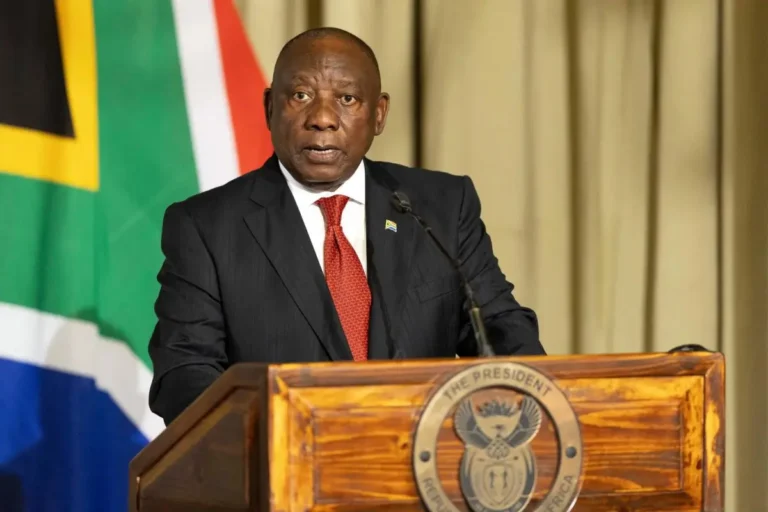
“When BRICS countries come together in solidarity to co-create solutions, we unlock tangible, mutual benefits for the Global South,” said Cyril Ramaphosa.
September 8, 2025 Hour: 9:20 pm
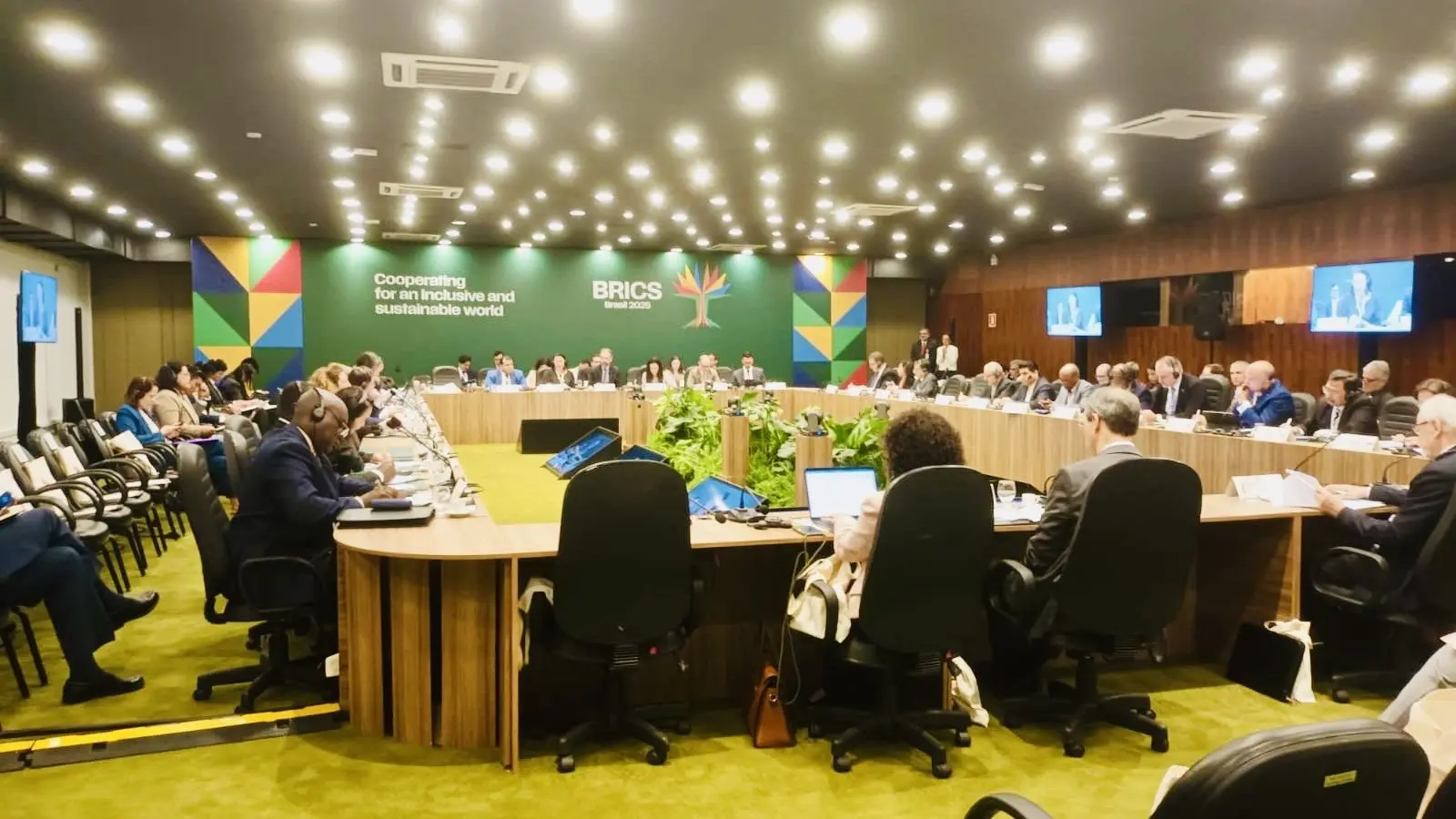
South African President Cyril Ramaphosa urged the BRICS countries to move toward a stronger and more resilient bloc by eliminating non-tariff barriers and reforming multilateral institutions, during the extraordinary virtual summit held on September 8.
RELATED:
BRICS Must Make the Global South Voice Heard: President Xi
Ramaphosa emphasized that the group’s economic cohesion would allow it to become a stable, predictable, and mutually beneficial trading partner amid current global tensions and disruptions.
“Our commitment to the sustainable overcoming of various non-tariff barriers would allow the BRICS to consolidate their position as a key player in international trade,” he stated.
The president denounced the US tariff measures as creating “an increasingly protectionist environment” that directly affects the Global South, creating “great difficulties and risks” for emerging economies.
In response to these policies, he highlighted that the BRICS have promoted initiatives to diversify their trade and investment partnerships with Africa, Asia, the Persian Gulf, and the Americas.
He also defended the urgency of reforming the World Trade Organization (WTO) and modernizing multilateral development banks so that they better reflect “the voices and priorities of developing economies.”
He noted that armed conflicts, the trade war waged by Washington, and the persistence of underdevelopment threaten global security and economic well-being.
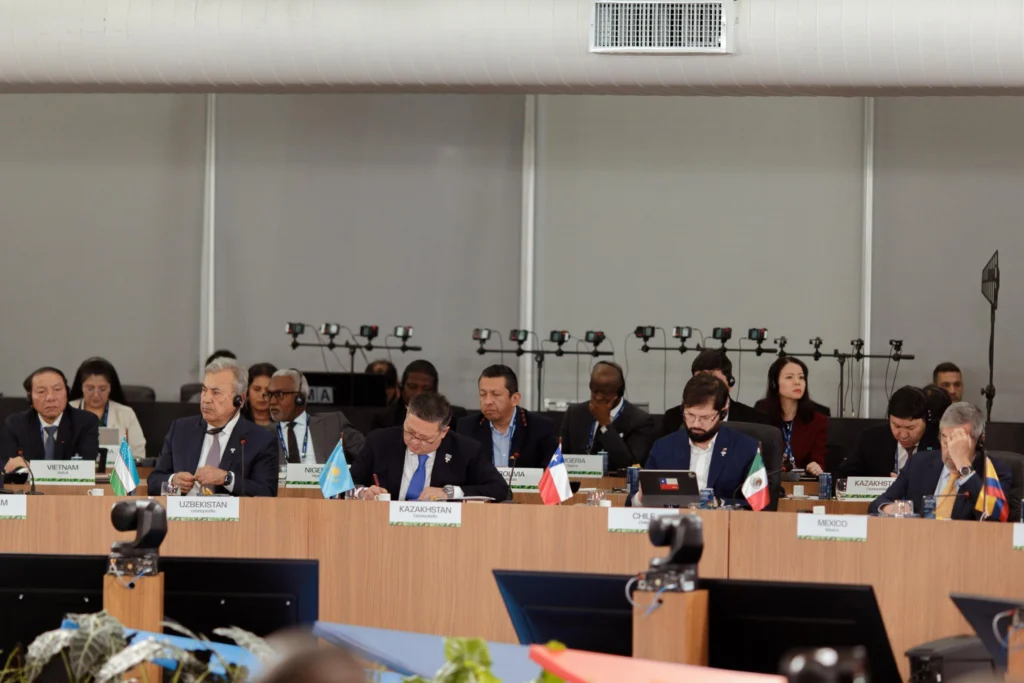
“When the BRICS countries come together in solidarity to co-create solutions, we unlock tangible and mutual benefits for the entire Global South,” said Ramaphosa, who reaffirmed the need to move toward a multipolar world and reform the United Nations to make it more inclusive and representative.
BRICS, initially formed by Brazil, Russia, India, China and South Africa, has expanded its influence in recent years with the incorporation of Egypt, Iran, the United Arab Emirates, Ethiopia and Indonesia, consolidating itself as a strategic axis in the face of trade tensions and the economic hegemony of the West.
Author: HGV
Source: Telesur/PL