







Over 50 Detained as Bolivian Police and Military Clash with Anti-Government Protesters
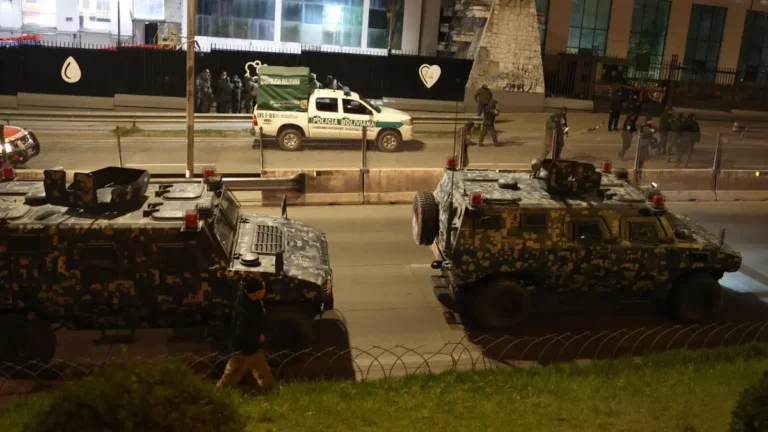
(FILE) Photo: EFE.
May 17, 2026 Hour: 1:03 am
🔗 Comparte este artículo
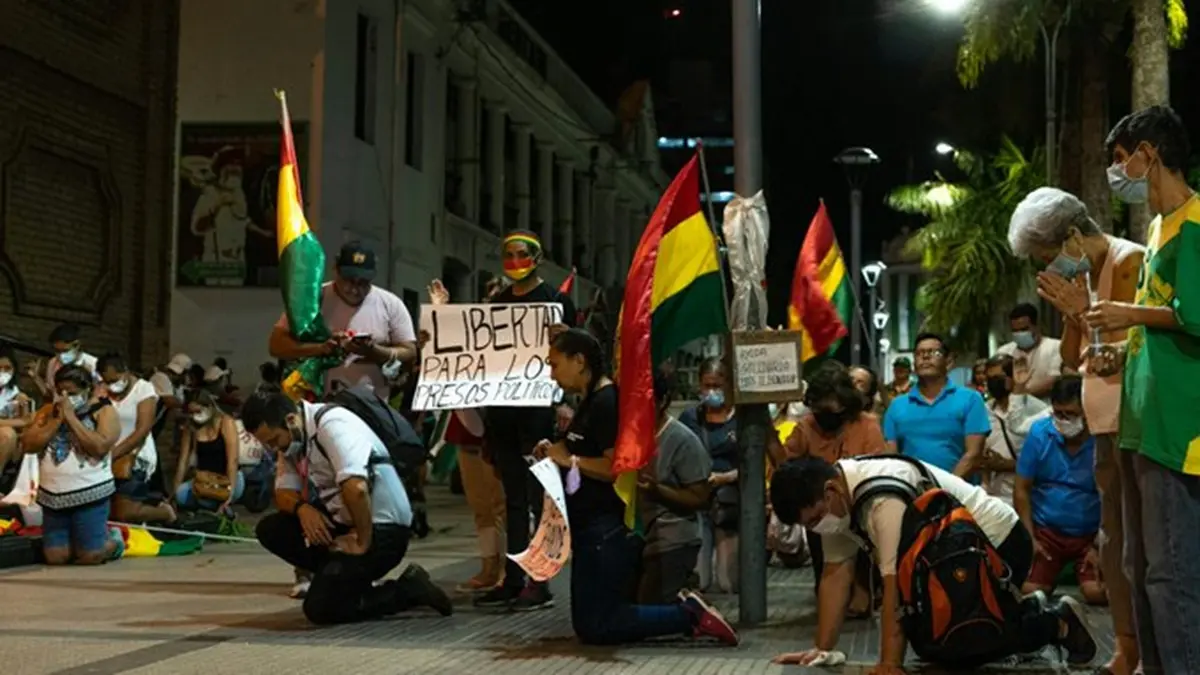
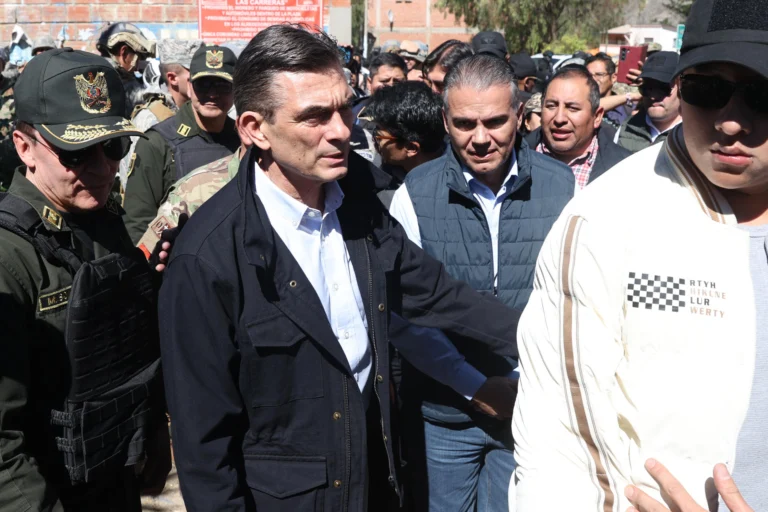
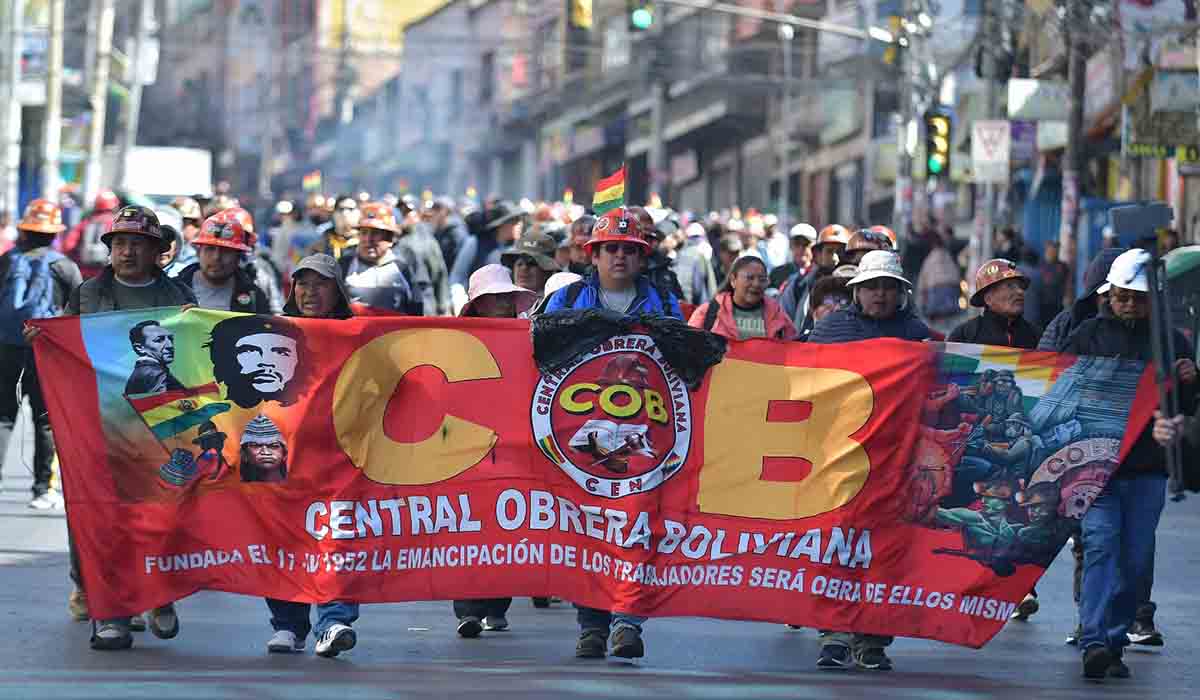
At least 57 people were detained on Saturday as more than 3,500 Bolivian police officers and soldiers, deployed in a joint operation across La Paz, neighboring El Alto, and the La Paz-Oruro highway, used tear gas to disperse ongoing protests and roadblocks against President Rodrigo Paz’s government, according to the country’s Ombudsman’s Office.
The security forces attempted to clear highways on the altiplano, but hundreds of protesters quickly re-established blockades at key exit points in the Senkata and Río Seco areas of El Alto. The roadblocks, which have cut off access to La Paz for over two weeks, have led to soaring food prices in the capital, with the state highway authority reporting at least 22 blocked points nationwide on Saturday.
RELATED: Bolivian Miners Escalate Protests Against Paz
Despite the crackdown, union leaders vowed to continue the mobilizations. Mario Argollo, the executive of the Bolivian Workers’ Central (COB), said in a video shared on social media that the protests will persist despite what he called “judicial actions” and “repression.” Argollo accused the government of trying to “silence” the movement through criminal charges and expressed solidarity with those arrested, stating they were detained for defending their rights.
“They will not bend us in the fight we have undertaken,” Argollo declared. He called on the populations of El Alto and La Paz to join the protests, warning that the government’s policies would ultimately harm the economy of Bolivian families. The COB argues that President Paz seeks to impose privatization, which could raise prices for electricity, drinking water, and gas, and that a package of 10 laws aimed at reactivating the economy favors transnational corporations over the majority of Bolivians.
The demonstrations, now in their second week, are led by the COB and the Tupac Katari Peasant Federation. Workers, farmers, teachers, Indigenous groups, and transport workers are demanding wage increases, economic stabilization, an end to privatization, and the resignation of President Paz.
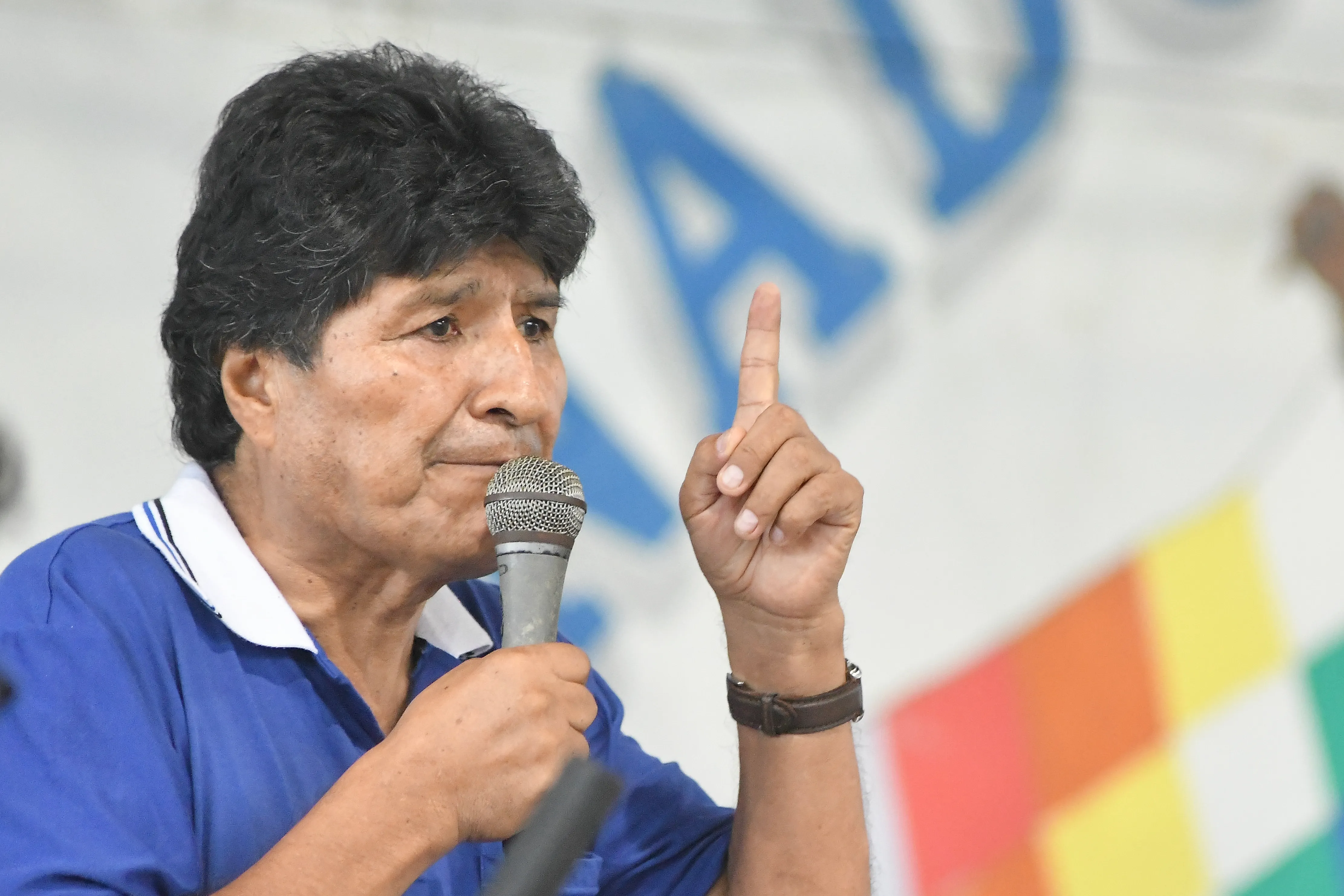
Meanwhile, a march of supporters of former president Evo Morales is approaching the capital and is expected to arrive Monday to demand Paz step down.
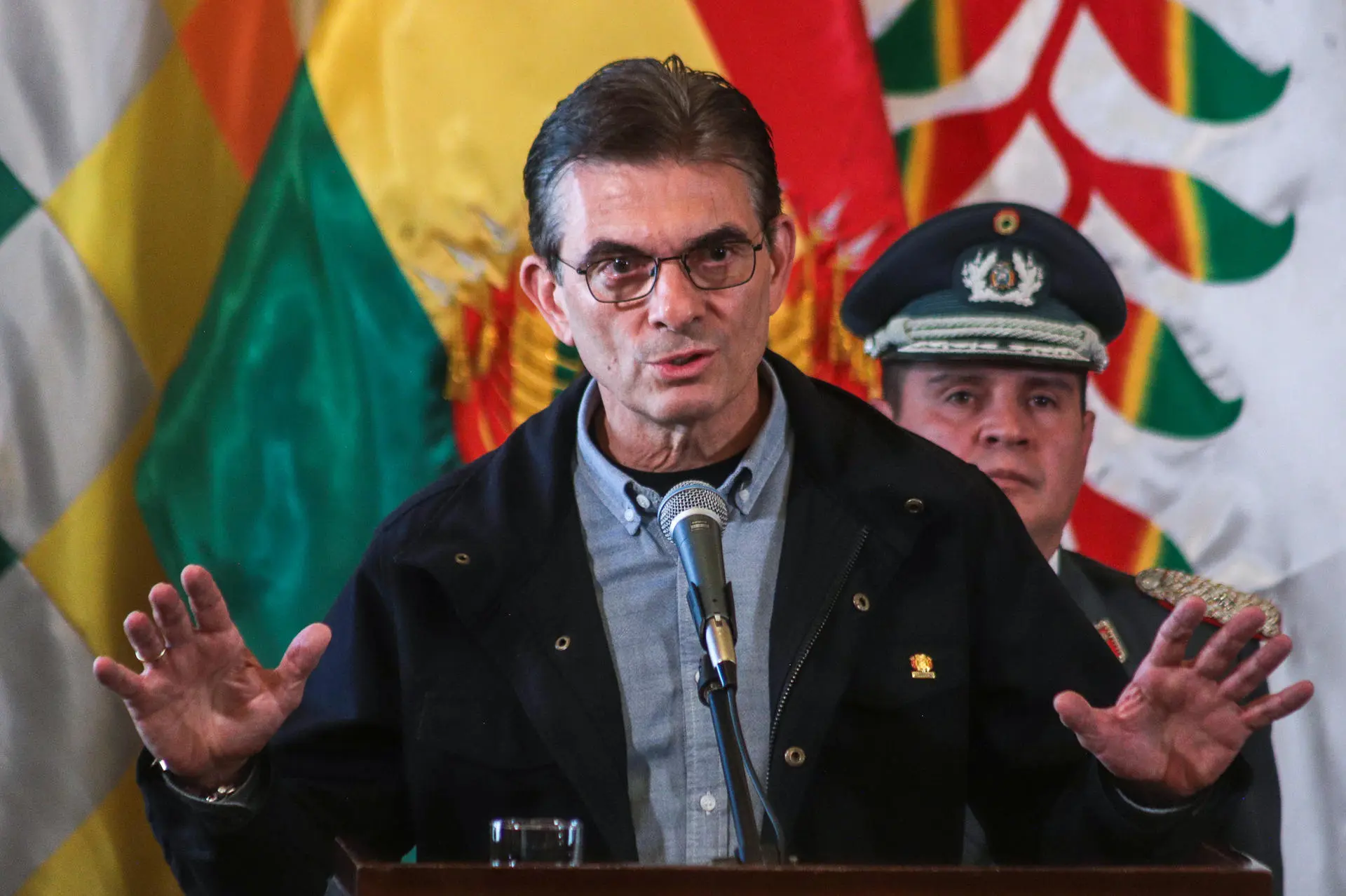
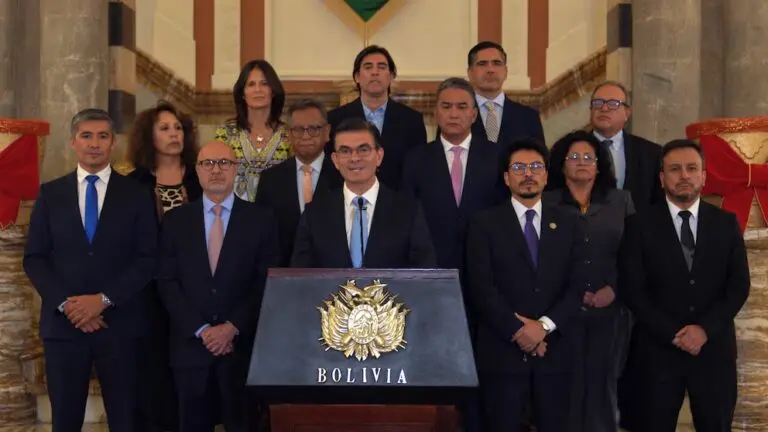
In response to the crisis, the Ombudsman’s Office and the Catholic Church on Friday called for the opening of “humanitarian corridors” to guarantee the passage of ambulances, medicine, food, and fuel, urging authorities to create “spaces for effective dialogue.” However, several right-leaning governments in the region, including Argentina, Chile, and Peru, issued a joint statement expressing support for President Paz and labeling the protests an attempt to “destabilize the democratic order.” Paz himself has threatened that those who try to “destroy democracy” will be imprisoned.
Author: Victor Miranda
Source: agencies