


Iran proposes anti-sanctions mechanism for the BRICS bloc
Iran’s proposed anti-sanctions mechanisms for BRICS range from reform of international financial institutions to a review of the Security Council.
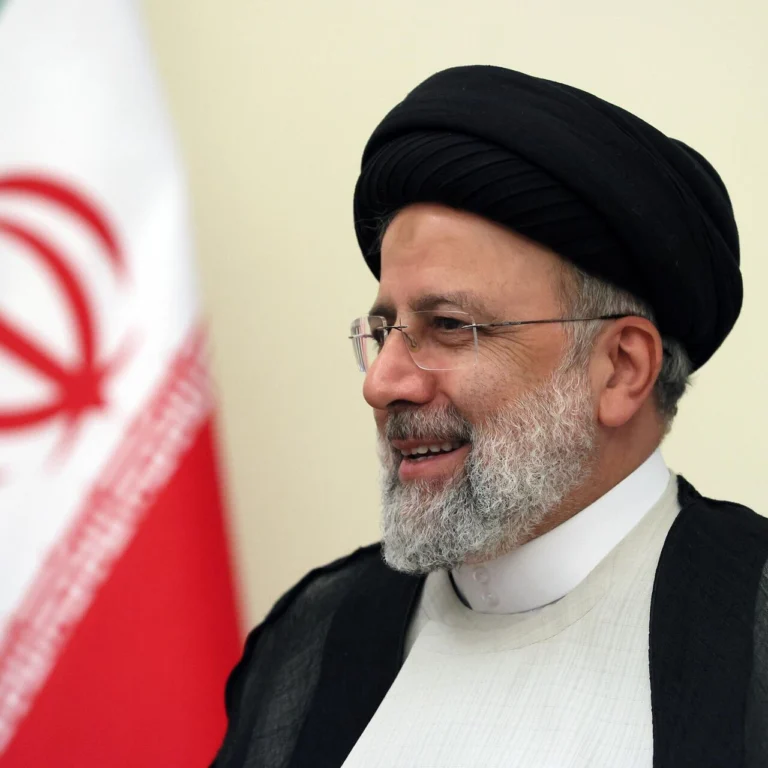
The Iranian president denounced the military aggressions his country suffered in June at the hands of Israel and the United States. EFE
September 8, 2025 Hour: 4:52 pm
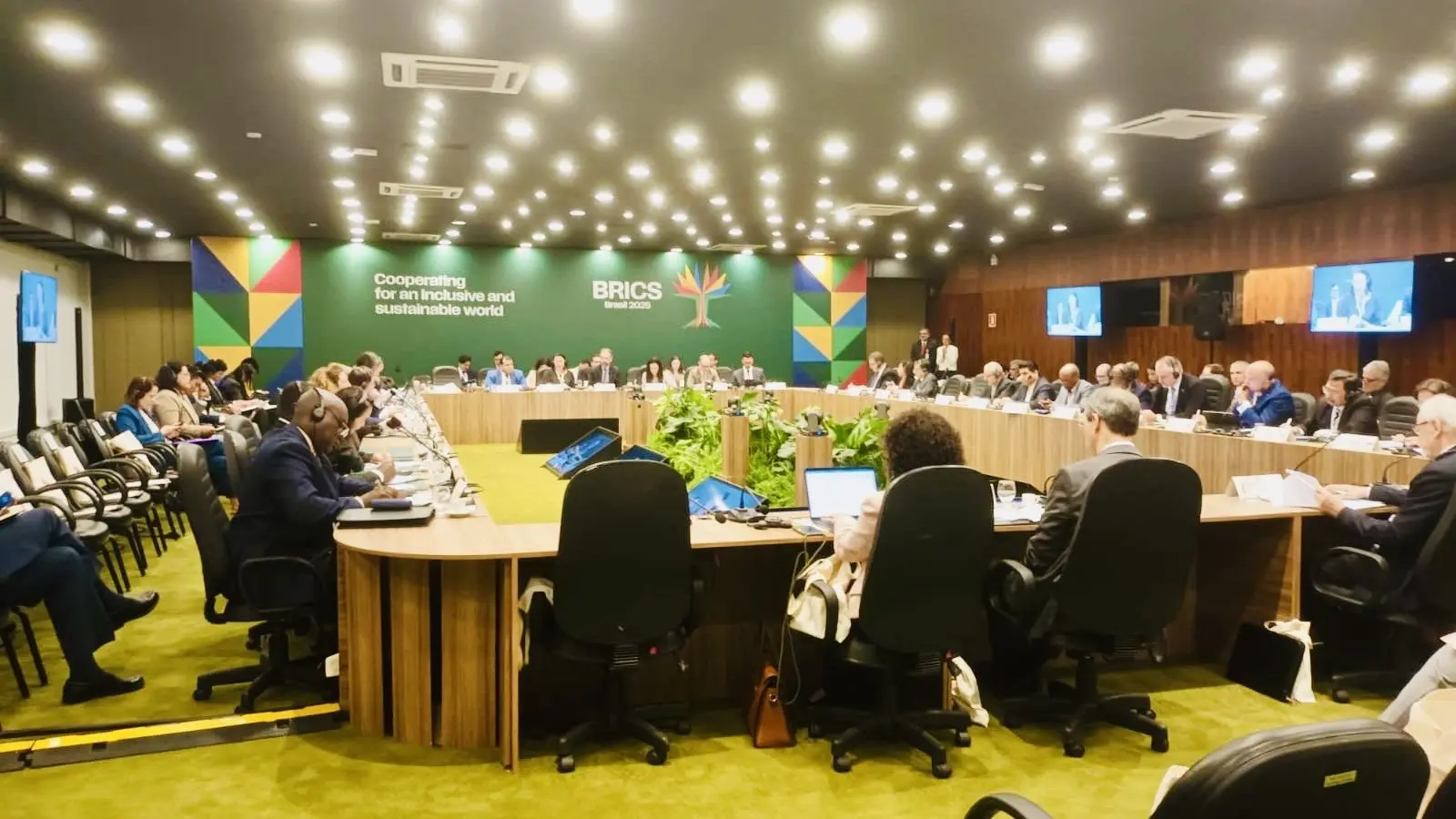
Iranian President Masoud Pezeshkian proposed on September 8, during the extraordinary virtual BRICS summit, the creation of a common mechanism to protect member countries from illegal unilateral sanctions and allow them to continue developing their economies without external political pressure.
RELATED:
BRICS Must Make the Global South Voice Heard: President Xi
“BRICS could develop a common mechanism to support its members against illegal unilateral sanctions and to continue developing their economies without being subjected to unfair political pressure,” the president stated, clearly referring to the coercive policies of the United States.
Pezeshkian insisted that BRICS—a bloc that brings together Brazil, Russia, India, China, South Africa, Egypt, Iran, the United Arab Emirates, Ethiopia, and Indonesia—must “guide the transition to a multipolar, democratic, and just order” in which the voices of developing countries are heard.
The Iranian president denounced the military aggressions his country suffered in June at the hands of Israel and the United States, the continued conflict in Gaza, the Israeli attacks against Lebanon and Yemen, and the US threats against Venezuela, calling them examples of the failure of the current world order to guarantee peace, justice, and international security.
Among the five concrete proposals he presented to strengthen the bloc are:
Comprehensive reform of international financial institutions,
Promotion of inclusive multilateralism,
Creation of a common support mechanism against unilateral sanctions,
Review of the UN Security Council,
Equitable access to global public goods, such as vaccines and medical technologies.
“The BRICS, as representatives of emerging and developing economies, are the beacon of hope for building a more just, equal, and prosperous world order,” Pezeshkian concluded.
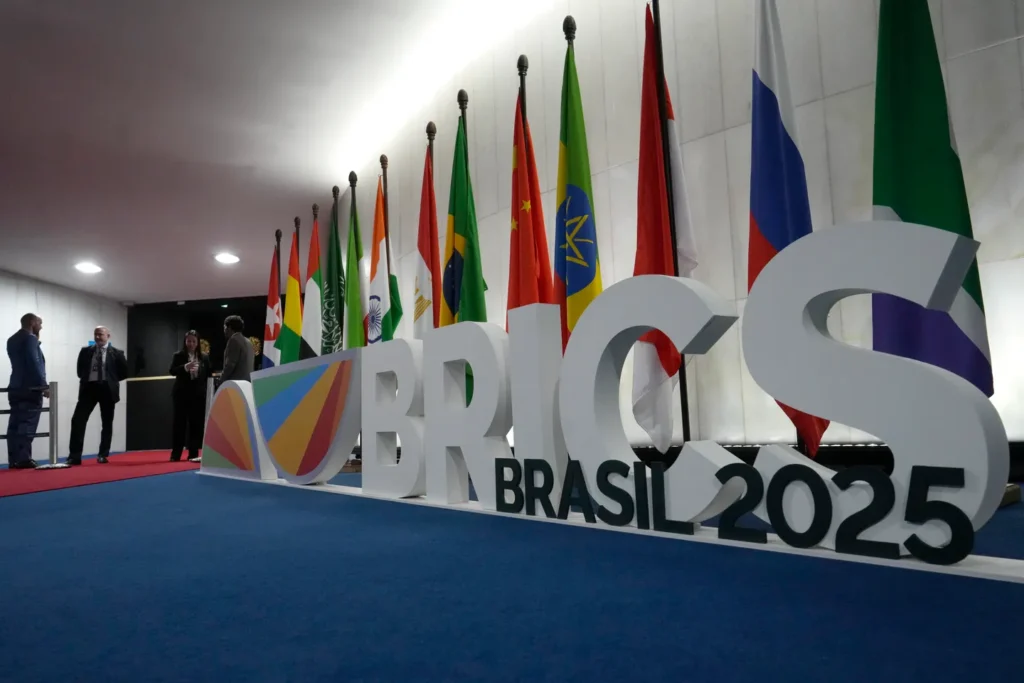
Currently, the BRICS group is gaining prominence as an alternative to the Western-dominated economic model. Through instruments such as the New Development Bank and local currency agreements, the bloc seeks to reduce its dependence on the dollar and consolidate a more equitable financial architecture.
With more than 3 billion people represented and a growing role in international trade, the BRICS are consolidating themselves as a collective force seeking to rebalance global power. The countries of this bloc together represent 36 percent of the world’s gross domestic product and 45 percent of the global population.
Author: HGV
Source: Telesur