







Bahrain Becomes the Flashpoint of a Regional Storm
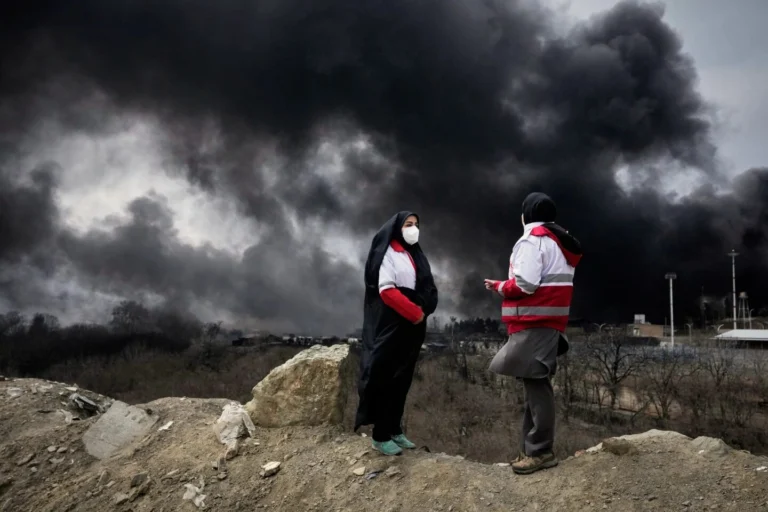
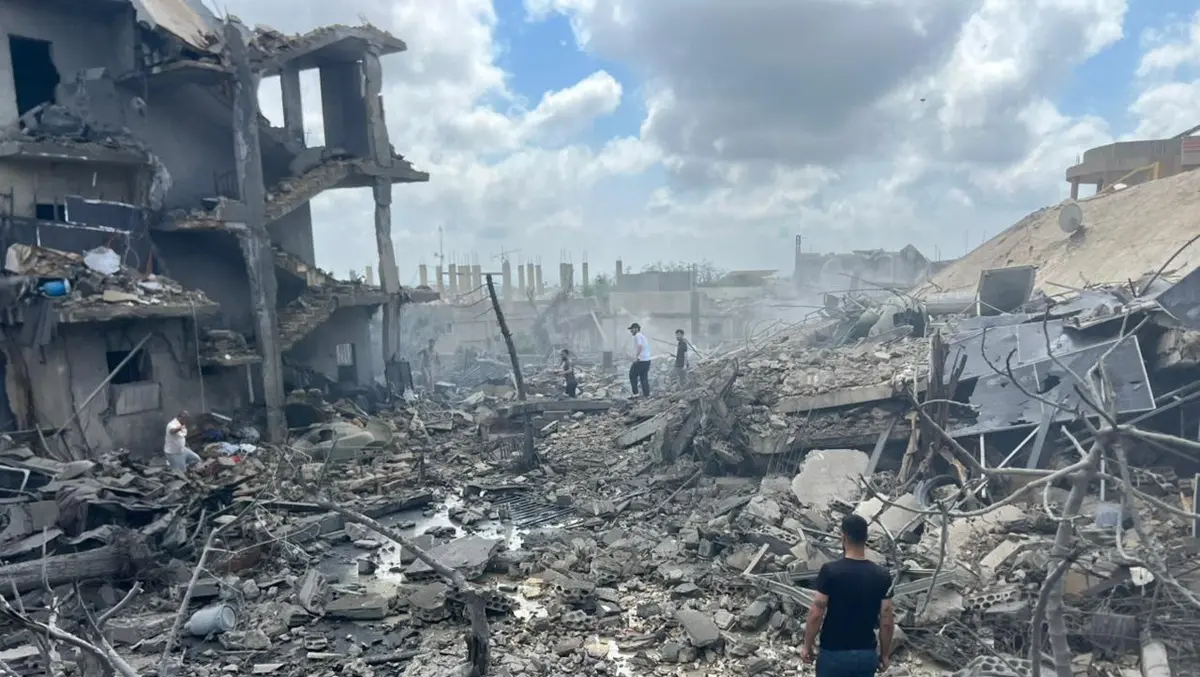
Attack on a water plant in Bahrain. Photo: Periódico El Caribe
March 9, 2026 Hour: 1:04 pm
🔗 Comparte este artículo
Shiite-led unrest in the island exposes the cost of military dependence.
In March 2026, the Kingdom of Bahrain became a flashpoint in the Middle East. Known for its modern skyline and status as a regional financial hub, the small Gulf nation is now facing its most serious civil unrest in over a decade. The crisis merges deep domestic frustrations with a rapidly escalating regional war.
RELATED:
Pro-Iran Protests Erupt in Bahrain After Iranian Strike on U.S. Base
The confirmed death of Iranian Supreme Leader Ayatollah Ali Khamenei in late February, following U.S. and Israeli military strikes, triggered a wave of protests across Bahrain.
For the country’s Shiite majority, this was more than a geopolitical shock; it felt like a direct attack on their religious and cultural identity.
As the government tries to maintain control, Bahrain has also become a target for retaliatory Iranian strikes, revealing the high cost of its strategic military alliances.
Geopolitical Significance: The “Unsinkable” Base
Despite its small size, Bahrain holds disproportionate importance in the Persian Gulf. Located between Saudi Arabia’s eastern coast and the Qatari peninsula, it controls key maritime routes near the Strait of Hormuz, making it crucial to global energy security and Western military operations.
At the heart of Bahrain’s strategic value lies the U.S. Navy’s Fifth Fleet, headquartered in Manama. This fleet manages operations across the Persian Gulf, the Red Sea, and the Arabian Sea, allowing Washington to monitor Iran’s influence and protect shipping routes.
Bahrain also acts as a cornerstone of the Gulf Cooperation Council’s (GCC) security structure. The King Fahd Causeway connects the island directly to Saudi Arabia, providing a rapid route for both economic and military intervention.
Amid the 2026 conflict, this geography has turned Bahrain from a staging ground into an active front line. Iranian drones and missiles regularly target U.S. facilities, while surrounding neighborhoods suffer collateral damage.
2026: The Convergence of Conflict
The year 2026 has marked a turning point for the region. Bahrain’s turmoil is directly linked to a full-scale war between a U.S.-Israeli coalition and Iran.
On February 28, a joint U.S.-Israeli airstrike eliminated Iran’s Supreme Leader, Ayatollah Ali Khamenei. The attack pushed the region into open conflict.
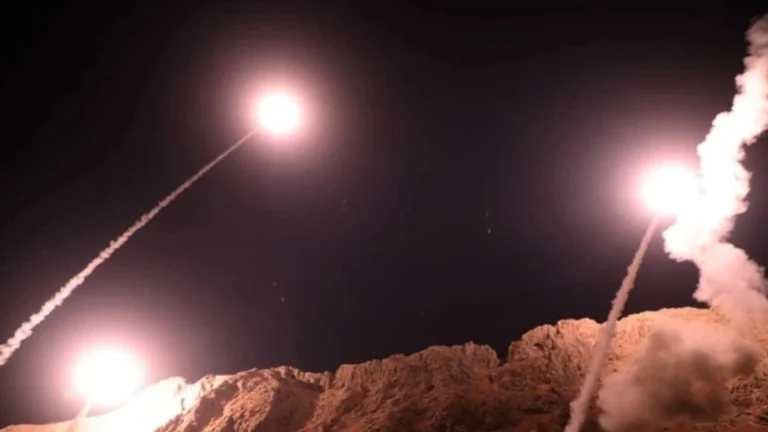
Within hours of confirmation, Iran launched hundreds of retaliatory drones and missiles targeting U.S. interests across the Middle East.
With the U.S. Fifth Fleet stationed in Manama, Bahrain, the island quickly came under attack. By early March, officials reported intercepting more than 50 Iranian drones and missiles. Still, several managed to hit sensitive areas:
- Infrastructure damage: Strikes hit the Era Views Tower and the Crowne Plaza Hotel, injuring U.S. Defense Department employees.
- Energy impact: A refinery operated by Bapco Energies suffered severe damage, forcing the company to declare force majeure on exports.
- Civilian losses: Debris from intercepted missiles killed several civilians, including a shipyard worker at Mina Salman Port. The attacks have spread fear among Bahraini citizens and expatriates alike.
The Shiite Protest Movement: Roots and Reality
The protests now shaking Bahrain are largely driven by its Shiite majority. Western media often frames them as purely sectarian, but their roots are deeper, mixing religious solidarity, socio-economic frustration, and opposition to foreign military presence.
Martyrdom holds deep meaning in Shiite religious thought. The killing of Khamenei, viewed by many as a revered authority, transformed grief into political anger.
Demonstrations in villages like Diraz and Sitra feature chants referencing Imam Hussein, connecting today’s struggle to a historical narrative of resistance against oppression.
The heavy U.S. and British military presence lies at the heart of the protesters’ anger. Many accuse the Al-Khalifa monarchy of turning Bahrain into a “battlefield” for foreign powers and exposing civilians to danger.
The government’s support for the 2020 Abraham Accords, and normalization with Israel, further alienated large segments of society who view it as abandoning the Palestinian cause in favor of Western and Israeli interests.
The government’s reaction to the 2026 protests has been swift and severe:
- Mass arrests: Human rights organizations report dozens of detentions, including journalists and activists documenting events.
- Legal charges: Protesters face accusations of “aiding an enemy state” and “undermining public security.”
- Information control: Authorities have cracked down on online footage, pressing for a narrative of stability to reassure investors and allies while maintaining strict internal control.
The Geopolitical Chessboard: Regional Actors and Interests
The crisis in Bahrain mirrors broader regional power struggles. Each major actor has distinct motives, turning the small island into a key pawn in the Gulf’s geopolitical game.
Riyadh considers Bahrain’s stability essential. The kingdom views Shiite-led unrest across the causeway as a direct threat to its own Eastern Province, home to many Shiites.
In March 2026, Saudi Arabia reaffirmed its unconditional support for Bahrain’s monarchy, often meaning military backing through the Peninsula Shield Force. Any sign of pro-Iranian influence could trigger another large-scale Saudi intervention.
Officially, Iran denies meddling in Bahrain’s internal affairs. Yet Tehran has long voiced sympathy for Bahraini Shiites and exploited the current unrest to pressure Washington.
By forcing U.S. operations in Manama to function under constant threat, Iran aims to raise the political and financial cost of America’s Gulf presence, hoping to erode U.S. influence over time.
Washington faces an uncomfortable dilemma. Bahrain hosts one of its most critical naval assets, yet the violent suppression of protests conflicts with American rhetoric on democracy and human rights.
For now, the U.S. has chosen what officials call “quiet diplomacy”, urging restraint while reinforcing troops and missile defense systems on the island to deter further Iranian attacks.
Future Scenarios: Stability or Transformation?
Observers see three possible paths for Bahrain in the coming months.
Scenario I: Sustained Securitization
This is the most likely short-term trajectory. Backed by Saudi Arabia and the U.S., the government continues its crackdown through arrests, surveillance, and expanded emergency laws.
The monarchy maintains control, but underlying discontent remains unresolved, ensuring future cycles of unrest.
Scenario II: Escalation into a Proxy War
Should the Iran–U.S.–Israel conflict intensify, Bahrain could face widespread devastation. Prolonged missile attacks may destroy infrastructure, devastate the banking sector, and drive out foreign workers. In this chaos, the protest movement could evolve into an armed insurgency, drawing support from regional powers.
Scenario III: The Path to Reform
The least probable but most sustainable scenario involves genuine political reform. International pressure could push Manama to reopen dialogue with the banned opposition groups and address issues like gerrymandering, political detention, and economic inequality. Yet, given the current militarization and pressure from regional allies, this avenue is closing fast.
The Fragility of the Status Quo
The events of 2026 have shattered the image of Bahrain as a quiet, stable Gulf monarchy. Today, the island stands at the intersection of a domestic uprising and a regional war.
The struggle for dignity within Bahrain now mirrors the larger battle for power across the Middle East.
As long as Bahrain hosts the U.S. Fifth Fleet and deepens ties with Israel against popular sentiment, it will remain a target of retaliation and social unrest.
The kingdom’s political future may hinge on one truth: foreign alliances cannot replace domestic legitimacy.
For Bahrain, the price of serving as an “unsinkable aircraft carrier” for external powers may soon become too high to bear.
Sources: Al Jazeera – teleSUR – BBC – CNN – Human Rights Watch – UK Parliament – New Arab News – TASS – Xinhua – People’s Dispatch
Author: Silvana Solano
Source: teleSUR